
420 and Beyond: Cannabis in the United States
Written by: Jacqueline Salazar Romo
April 20th, 2026
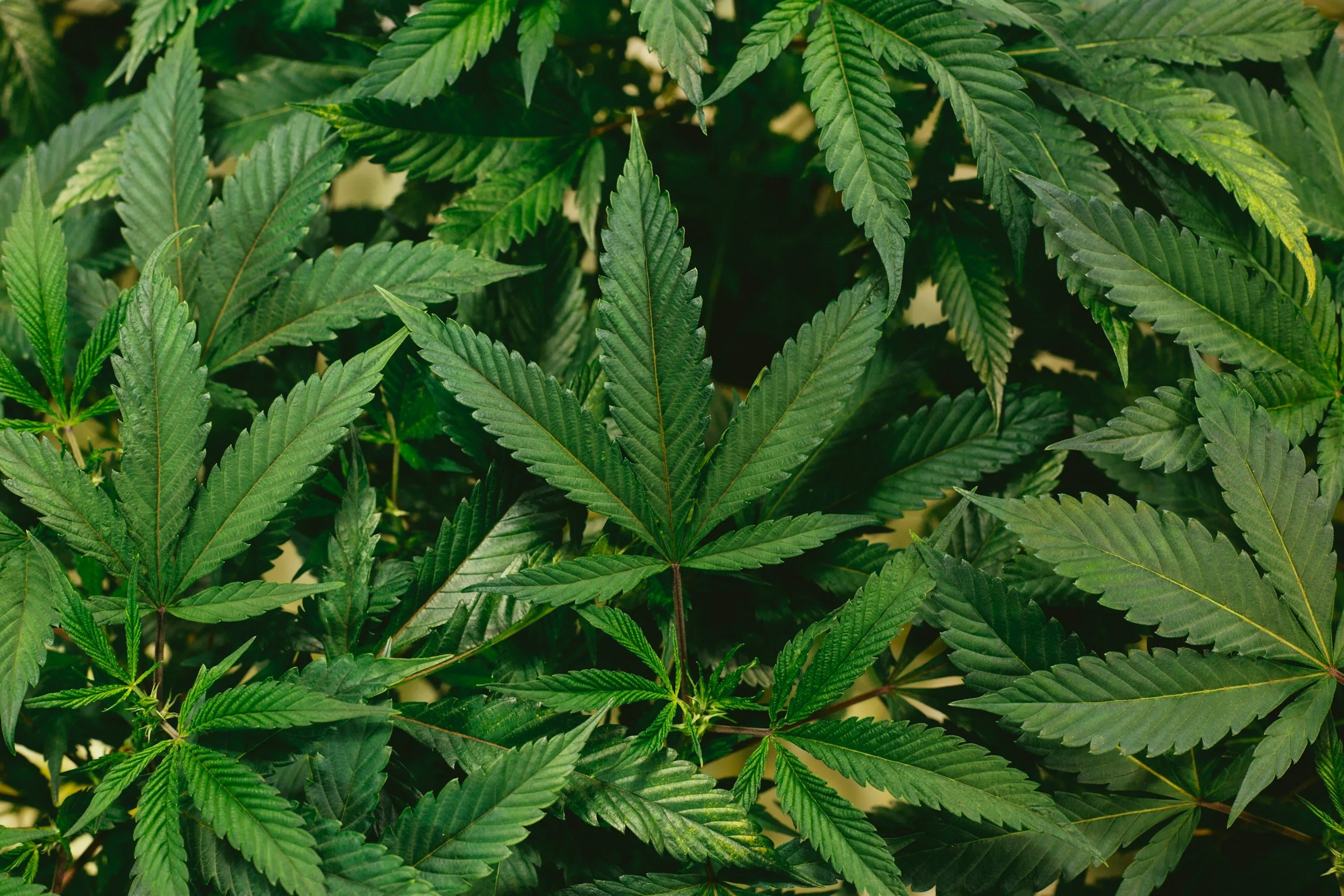
Jeff W @fortheloveofsmoke via UnsplashApril 20th (or 4/20) is an unofficial counterculture holiday that celebrates cannabis use. The celebration is said to have originated from a friend group in San Rafael, California in 1971—five high school students nicknamed “the Waldos” are rumored to have searched for an abandoned cannabis crop, and had chosen 4:20pm (after school sports activities but before the parent pickup window) as their meeting time to organize and smoke weed. Over time, 4:20 became ‘420,’ a code word for cannabis. The term was pulled into the mainstream when High Times magazine published a flyer that invited people to smoke ‘420’. A reporter named Steve Bloom received it at a Grateful Dead concert, and the rest is history.
It’s important to note that cannabis is not exactly legal at the federal level in the United States. The Controlled Substances Act of 1970, signed into law by President Nixon, sets federal drug policy not just for cannabis, but for the regulation, manufacture, distribution, possession, and use of substances. Under this law, there are five “schedules” (classifications) that a substance must qualify (fall under) based on the Drug Enforcement Administration (DEA) and the Food and Drug Administration. In this context, “rescheduling” means changing a drug’s classification, including how risky it is and how it should be accepted in medical use.
Cannabis is currently classified as a Schedule I drug, alongside substances like fentanyl and some opiates. Schedule I controlled substances are considered high-risk and mostly not accepted for medical or recreational use. Medical cannabis is legal in 40 out of 50 states, and its recreational use is legal in 24. In April 2024, the Department of Justice under the Biden Administration began reviewing whether to move cannabis to a less restrictive category under the Controlled Substances Act. On December 18th, 2025, Trump issued Executive Order 14370, announcing his intent to “increase research [for] medical marijuana” and potentially expedite the process of rescheduling cannabis as part of his Make America Healthy Again Commission.
In October of 2022, President Biden pardoned around 6,500 people convicted of cannabis possession. Some people saw this move as mostly symbolic, given that state-level convictions are more numerous than federal ones and that arrests for only cannabis possession are rare according to some officials. Still, many advocacy groups praised this step as a positive shift in federal drug policy, and a welcome move towards the decriminalization of cannabis use nationwide.
Cannabis has historically been a factor in the mass criminalization of primarily marginalized, low-income communities, especially Black and Latine individuals. While there have been legal and social moves to expand access to medical and even recreational cannabis in the United States, the substance still carries largely negative connotations and racial associations. For instance, a 2020 ACLU report found that Black people are “3.6 times more likely than white people to be arrested for marijuana possession, despite similar usage rates.” In some states, the gap is even wider as different states have varying degrees of punishment for this offense.
Written by: Jacqueline Salazar Romo
About The Author: Jacqueline (she/they) is an editorial staff member at NB who often explores the intersections of identity, belonging, and culture in relation to current events. Whenever she isn't writing, she enjoys art, fandom, and thinking too long about the past.
Cannabis Legislation, Decriminalization, 420 (Counterculture Holiday)
Additional Reading

Sources:
https://www.cleveland.com/opinion/2026/03/the-racist-underpinnings-of-our-marijuana-laws-are-with-us-still-dave-lange.html-2
https://www.theguardian.com/us-news/2026/jan/12/trump-cannabis-executive-order-reschedule
https://www.marijuanamoment.net/drug-reform-group-lays-out-options-to-address-high-thc-marijuanas-risks-without-returning-to-criminalization/
https://www.startribune.com/she-built-a-million-dollar-cannabis-facility-on-a-reservation-now-she-cant-grow-there/601630690
https://www.tennessean.com/story/news/politics/legislature/2026/04/14/tn-republicans-legal-medical-marijuana-cannabis-harder-reclassify/89597549007/
https://www.goerie.com/story/news/politics/state/2026/04/15/pa-marijuana-legalization-pathway-dan-laughlin/89531556007/
https://c-ville.com/as-virginia-moves-toward-full-legalization-of-adult-use-marijuana-we-take-a-look-at-everything-green/
https://www.wsj.com/opinion/should-pot-be-legal-af972838
https://www.naacpldf.org/cannabis-laws-racism/
https://perma.cc/2WL5-TMBL
https://lawreview.uchicago.edu/online-archive/unconstitutional-racial-animus-behind-federal-marijuana-criminalization
https://graphics.aclu.org/marijuana-arrest-report/
https://natlawreview.com/article/why-has-marijuana-not-been-rescheduled-answer-obvious-kinda
https://www.whitehouse.gov/fact-sheets/2025/12/fact-sheet-president-donald-j-trump-is-increasing-medical-marijuana-and-cannabidiol-research/
https://www.npr.org/2022/10/07/1127400821/biden-pardons-thousands-of-people-convicted-on-federal-marijuana-possession-char#:~:text=Transcript-,President%20Biden%20has%20announced%20he%20is%20pardoning%20everyone%20convicted%20of,convicted%20at%20disproportionately%20higher%20rates.
https://mycompassionateclinic.com/history-of-420-origins-and-evolution/
https://www.congress.gov/crs-product/R45948
Check out our social media for more resources:
Leave a comment