
Disability x Video Games: Accessibility Win, Representation Loss
Date: July 31, 2025

Written By: Grace Mintun
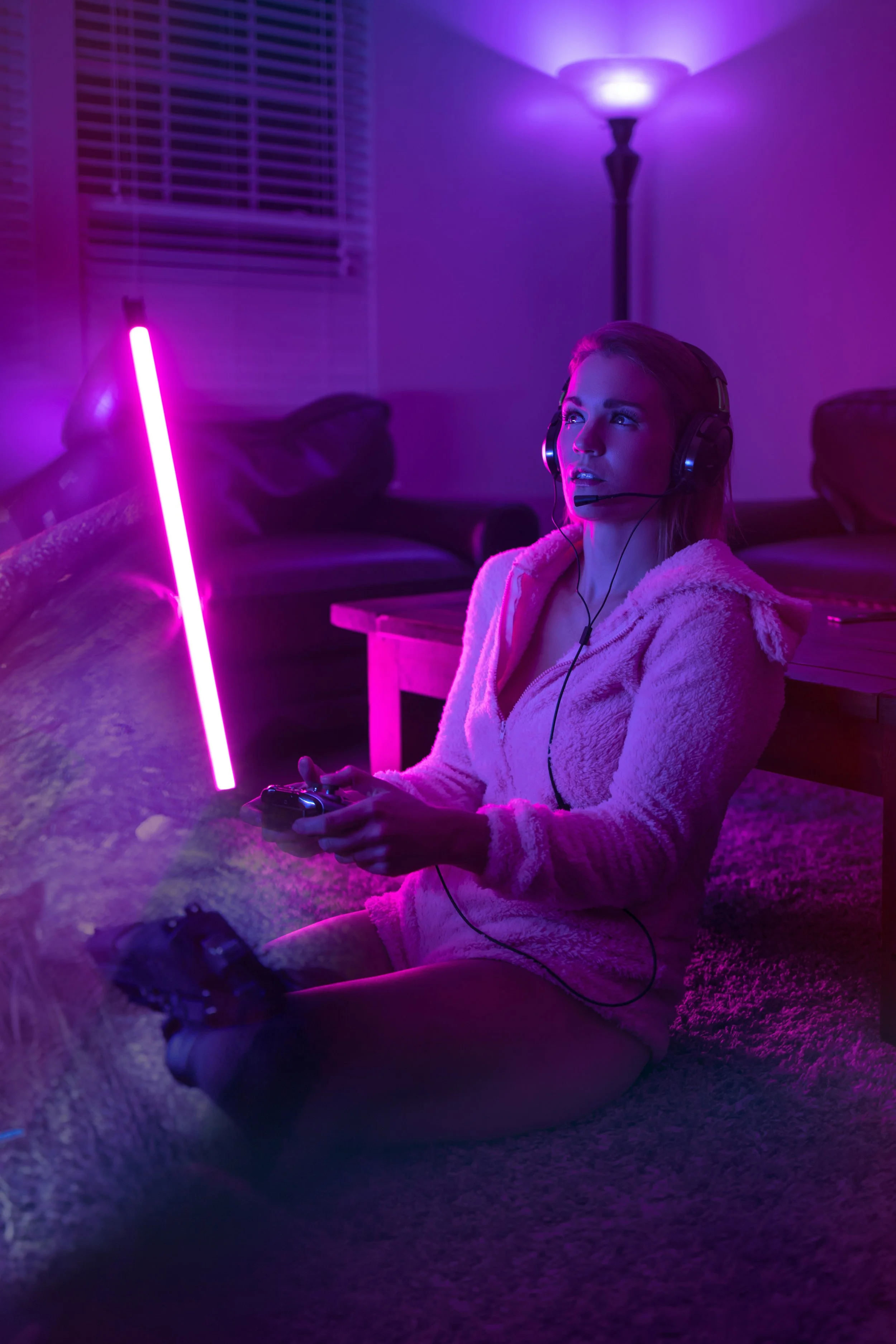
With entire game showcases dedicated to accessibility, you would think that more video games would have disabled representation. But that’s not the case. While we’re finally seeing games show mental health, actually showing and centering disabled characters is few and far between, let alone having a main character with a disability be the highlight of the story.
In my disability pride month articles last year about highlighting main characters with disability, I focused on narratives that made disabled characters the spotlight of the story. They had to have their own agency and not just relegated to a side character that is brushed over, an obscured shining star in the background of the story.
It’s shameful that when I went to look up video games with disabled main characters in both indie and AAA games (games that are produced from a larger studio that have high production value, higher budget, and tend to be larger-scale video games), neither had more than a handful of games to recommend. Even when games with disabled characters were recommended, it was rarely something highlighted in the story or the gameplay.
The problem is the fact that disabilities aren’t showcased at all in any character, let alone a main character. When disabled players finally see themselves represented in a video game as the main character, it’s usually used as a NERF (the act of decreasing the power or effectiveness of a game element, such as a weapon, character, or ability), if they even show disabilities at all.
Alexander Jawfox via UnsplashRepresentation is important for any group of people, and when we see how diverse characters are becoming in books, television, and movies, why can’t disabled representation reflect in video games as well? Video games are a way people can put themselves into the shoes of others and act out stories in a way that is both engrossing and engaging. Playing a video game is like walking a mile in someone’s shoes. You can see the world through their eyes, interact as they would, and see how the world reacts with them. Video games can provide perspective and understanding for those who aren't disabled, and healing for those who are, by having their struggles told and putting their story out there. Being disabled isn’t dirty or taboo or something that shouldn’t be talked about. Seeing games with representation across the board is imperative to having a more accepting and empathetic world.
“Seeing games with representation across the board is imperative to having a more accepting and empathetic world. ”
Game makers, developers, and the video game industry do a ton of things to increase accessibility for people to play games, but not to raise awareness. And if it is awareness, it’s a NERF or a punishment against the player. For example, I did something stupid in-game, like injuring myself, and that made me have a permanent injury that just made things more difficult, and this is my disability as a punishment. That isn’t right. Disabilities shouldn’t be treated as a punishment or a negative effect. And in media in general, they’ll make people have physical differences to show they’re villainous, which just furthers the negative narrative, such as the witches in Witches with her hands, Captain Hook having a fake hand that’s a hook, Darth Vader needing a breathing machine, etc. There are so many ways being disabled already shows up in negative ways, but what about neutral representation in media?
As a disabled person, seeing us as objects of pity, villainous characters, or lacking any true depth in character design cheapens the experience. For example, misrepresenting disabilities through overcoming or curing a disability, sours audience experience in all consumed media, video games especially. We know we are being thought of because video game companies are now attempting to make their games accessible for everyone to play, from phobia modes to controller features to subtitles to audio cues. But being thought of and then being thrown away from being a main character, excluded from being a part of the story, but seen as part of their purchasing audience, just leaves an awful taste in my mouth. They’ll see us as wallets by peddling to us as the consumer, but they won't see us as someone who could have agency in their story. People play video games to escape the real world and to play a character that they can see themselves as, having an adventure. Everyone deserves to have that feeling, no matter their ability. And those without the disability could maybe learn a thing or two by walking a mile in their shoes as well.
Ways that disability can neutrally show up in a video game:
As the main character, physical abilities reflect onto the characters such as limited mobility, wheelchair use, etc
In the narrative, talking about the disability affects their day-to-day lives
Seeing how the world interacts with the character and how their perception affects the character themselves
Merging with health meters - Ex: people with diabetes have to keep their blood sugar in check (We Happy Few) and find insulin in item drops
Having a certain amount of energy you can use for the day, and not being able to replenish it
Using items to portray sight and sound that the character may not have (for example, blindness in Out of Sight)
There are many ways to have neutral and positive disability representation in media and video games. Once we start embracing all facets of the diverse human experience, it will make our games more nuanced, empathetic, and explorative than they already are. And I can’t wait to explore those worlds, can you?
Written by: Grace Mintun
About the author description: A writer and Twitch streamer dedicated to promoting kindness and breaking down stigma around mental health and disabilities!
Tags: Video Games, Accessibility
Check out our social media for more resources:
Additional Reading


Leave a comment