The Problem of Invasive Slop in Creative Spaces
Written by: Rhilynn Horner
January 16th, 2026
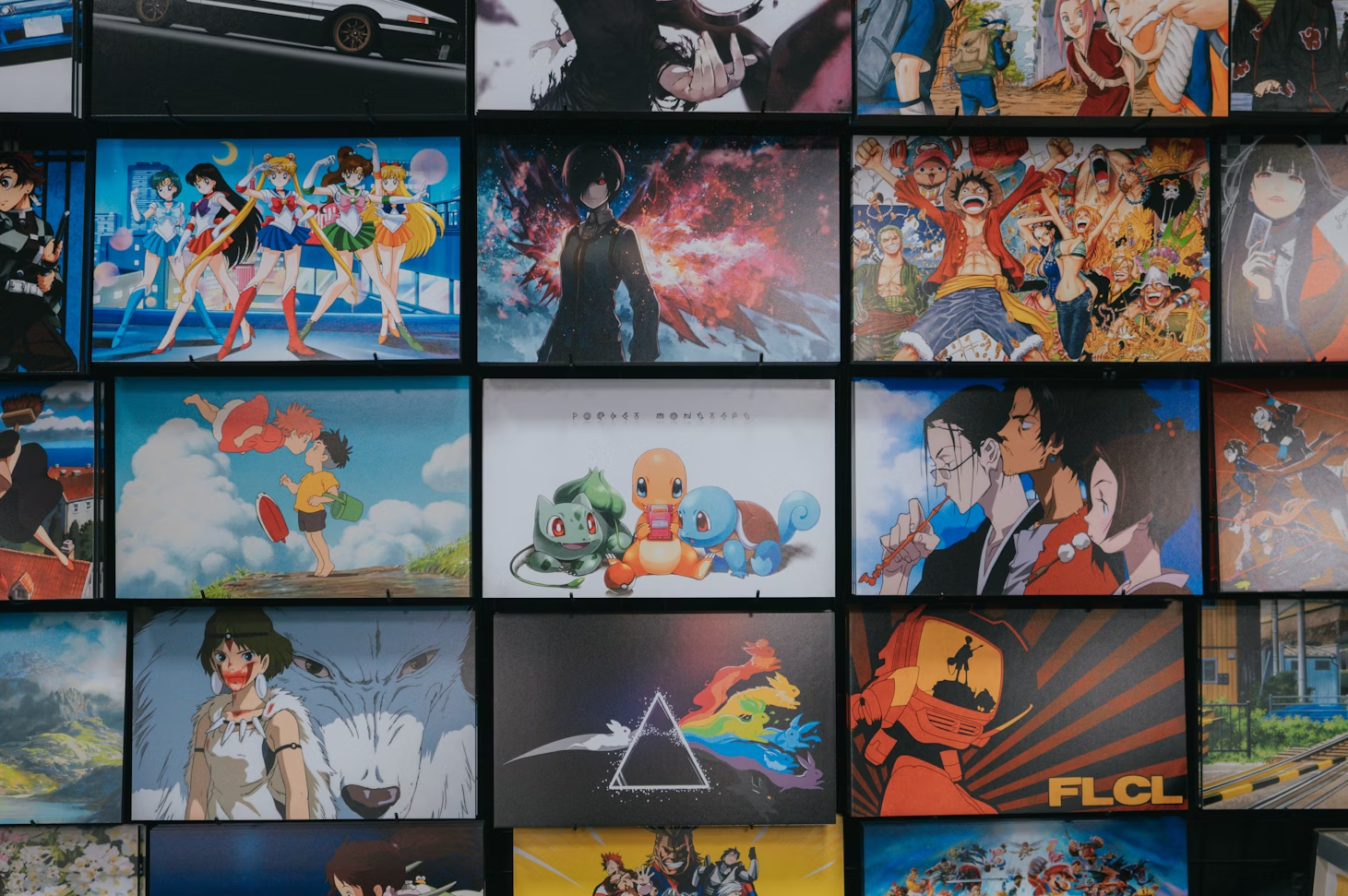
Dex Ezekiel via UnsplashIn the past decade, creative spaces have been invaded by uninspired, misleading, and unoriginal slop. Instead of seeing true handmade goods on Etsy or at your local craft market, all you see are mass-produced 3D fidget toys, AI illustrations, dropshipped goods, bootlegs, or resellers. This slop, unlike handmade art, prioritizes quantity over quality and lacks any real substance, effort, or even any human influence at all, despite often being marketed as “handmade.” It is no surprise, then, that art slop can be harmful to both artists and customers, despite initial appearances of being cheaper and more accessible for the average customer. So, let’s dive into exactly why these types of “crafts” have earned the nickname of slop, as well as their harms and controversies.
AI Art (and Bootlegs)
Likely the most infamous form of slop, with the name often solely attributed to it, is AI art. Do not be confused, though, as these works of art are hardly art at all: they are created using artificial intelligence as the medium, with all the “artist” having to do is input a prompt for the AI to follow. However, AI is fed outside sources and artworks to reference from, and usually from unconsenting, real artists. While not yet legally deemed as official art theft, it introduces an immorality to using AI to create digital generations (beyond the environmental impact). Not only that, but these generations can then be sold as posters, prints, or other forms of physical media at conventions or markets. While some venues have strict rules against AI art, many AI “artists” go under the radar by marketing their work under the assumption that it’s digitally hand-drawn. This is not only misleading to customers but also lacks quality control, as AI generations typically have clear mistakes (six fingers, unclear hair formations, etc.).
Despite all this, many still defend AI slop as actual art. However, consider those selling bootlegs of products like anime figures. Not only are these typically copyright infringement, as they are direct recreations of other artists’ work (like the 2D drafting, 3D modeling, and painting that go into an anime figure), but they also have reduced quality and are sold at a lower, distorted price—just like AI slop. These are all invasive, misleading, and are borderline theft, overshadowing true artists and their products by taking their place at large conventions.
Dropshippers and Scalpers
Dropshippers are people who buy bulk items for cheap on sites like Temu, Amazon, or AliExpress, and then sell them individually for an upcharged price. These are naturally misleading and exploitative by the very practice, but they are also occasionally marketed as handmade or appear to be so. One common example you might see at local craft markets or fairs is crochet flower bouquet booths, where you can buy individual crocheted flowers to DIY your own bouquet. While this appears to be a unique and creative idea, especially as they are not marketed as anything other than handmade, it’s actually a case of dropshipping. It would take months for a single person, or even a small team, to produce the number of flowers these booths often have, indicating that, in most cases, they are dropshipped. This example is an especially harmful one, as these crocheted flowers are then sold at a lower price than they would have been if they were handmade through ethical means (which, in these cases, they are not). This distorts customer expectations for how much they believe a handmade crocheted piece should be sold for, harming real crochet artists and their sales.
Dropshippers are not the only ones that have an enormous negative effect on creative or hobby markets. Scalpers are also rampant. These are people who notice a great demand for a limited product, buy them all out, and then resell them at an outrageous markup. While many defend this practice, reducing it to a simple hustle, the harm this has on the market is clear. While not necessarily art, the most famous example is Pokémon cards, which, in the last couple of years, have had a huge increase in demand, and whose hobby market has been decimated by the presence of predatory scalpers. This means no casual enjoyer will likely be able to actually enjoy this product, let alone a kid wanting a pack to open. Now, whenever you visit hobby fairs and see Pokémon cards, they’ll often come with a much heftier price tag.
3D Printed Art
While 3D art is a diverse medium, the vast majority of the 3D art that you’d see at a market or on Etsy is just landfill-contributing, invasive slop. These would be your 3D dragons, slugs, or other fidget toys that are mass-produced using the same, easy-to-access templates. Not only can it be physically unhealthy and environmentally damaging without proper sustainability practices (including quantity control), but it can also be horribly invasive to these creative spaces, even becoming one of the only items you see walking into a craft fair. While not all 3D printed art is bad, when it’s being mass-produced to this invasive degree by using modeling templates that can be easily purchased or accessed, it can even overshadow other 3D printed art that’s actually creative, thought-out, useful, and modeled by the same artist printing it. This mass-production and often poorer quality of these goods can also lead to an issue of overconsumption, where consumers buy an unnecessary number of the same or similar objects.
Ultimately, these sorts of items and “crafts” are invasive and taking over platforms or spaces originally meant for true artists to profit from their handmade goods and services.
Not only are these exploitative to these artists, but also the customers, who believe they’re buying something handmade for shockingly cheap (only for it to either fall apart, collect dust, and inevitably contribute to landfills). This belief and market shift inevitably make handmade goods and art that are priced appropriately seem outrageous to pay for, and make it harder for artists to find booths/venues to sell their goods. It appears that even the most popular of conventions, creative markets, and online spaces have replaced real artists with low-quality, mass-produced slop that’ll inevitably end up in the trash—ruining the experience for us all. While it may seem impossible to fight against this overtake, it’s important for each of us to do our part, whether by buying from true or local artists or by spreading positive words about them and their businesses. Together, we can begin a positive trek forward by healing our art communities.
Written by: Rhilynn Horner
About The Author: Rhilynn (She/Her) is an editorial intern and a graduate from UNC Chapel Hill with a degree in English & Comparative Literature. She loves to read and write on a variety of pop culture and social topics.
AI Art, 3D Printed Art, Overconsumption
Additional Reading

Check out our social media for more resources:
Leave a comment