
Tips on How to Stay Safe While Protesting

London Allen
Date: June 18, 2025
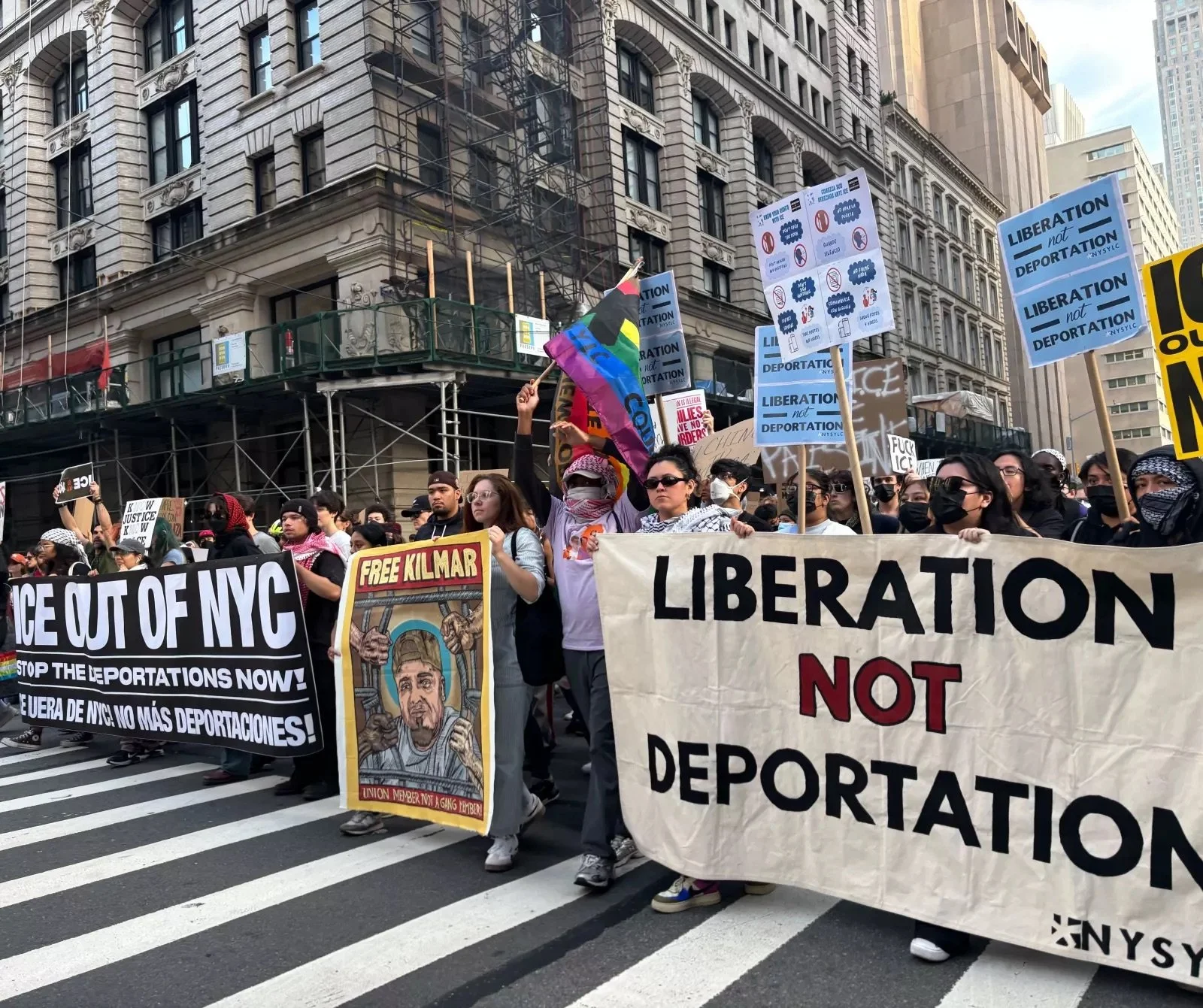
Photo credit: Sergio Martínez-Beltrán/NPRThe state of the world is devastating. Every day, news is released about something deplorable happening in the world. Whether it’s the fucked up ice raids happening across the U.S., the constantly ignored genocide of Palenstinians, the taking away of Trans rights, it’s all intense and fustrating. There are so many causes to be passionate about and stand up for, and we all want to take action. There are many ways to speak up against injustices and advocate for those harmed by the choices of the powerful. Those in charge often forget that we also have power: the power to take action. This can be done in many ways, and protesting is one of them. It is completely understandable if you don’t feel comfortable protesting, as there are other ways to get involved. Whether it be donating, sharing resources, or educating those around you, there are endless options to show your support for many causes. However, with recent troubling times, more and more protests are being organized, so if you do decide to participate, here are a few tips that can keep you safe.
Do Your Research
While protesting can seem like a great way to get involved, do some research before jumping into it. These are turbulent times, and we often decide to go to a protest because we are passionate about a cause. However, in many places, law enforcement perceives any action taken against them as violent. So while your aim may be to protest peacefully, know that there is always a chance for a protest to turn violent. Do some research on past protests so that you fully understand the risk and are not blindsided if things go left. For example, law enforcement is known to use escalation tactics to rile up protestors, such as being aggressive or verbally insulting. Know how to spot these tactics and be prepared to react accordingly.
Know the Laws & Your Rights
As a part of your research, you should make sure you know your local laws. For example, in some places, masks are banned, and certain gear may be considered body armor, which may change a misdemeanor charge to a felony. Stay well-informed and look up any laws that may be relevant to protesting. Also, know your rights and know when you can assert them. Be prepared for a lot of tension and decide on the best course of action based on the situation, but peacefully protesting is not illegal!
Always Come Prepared & Stay Anonymous
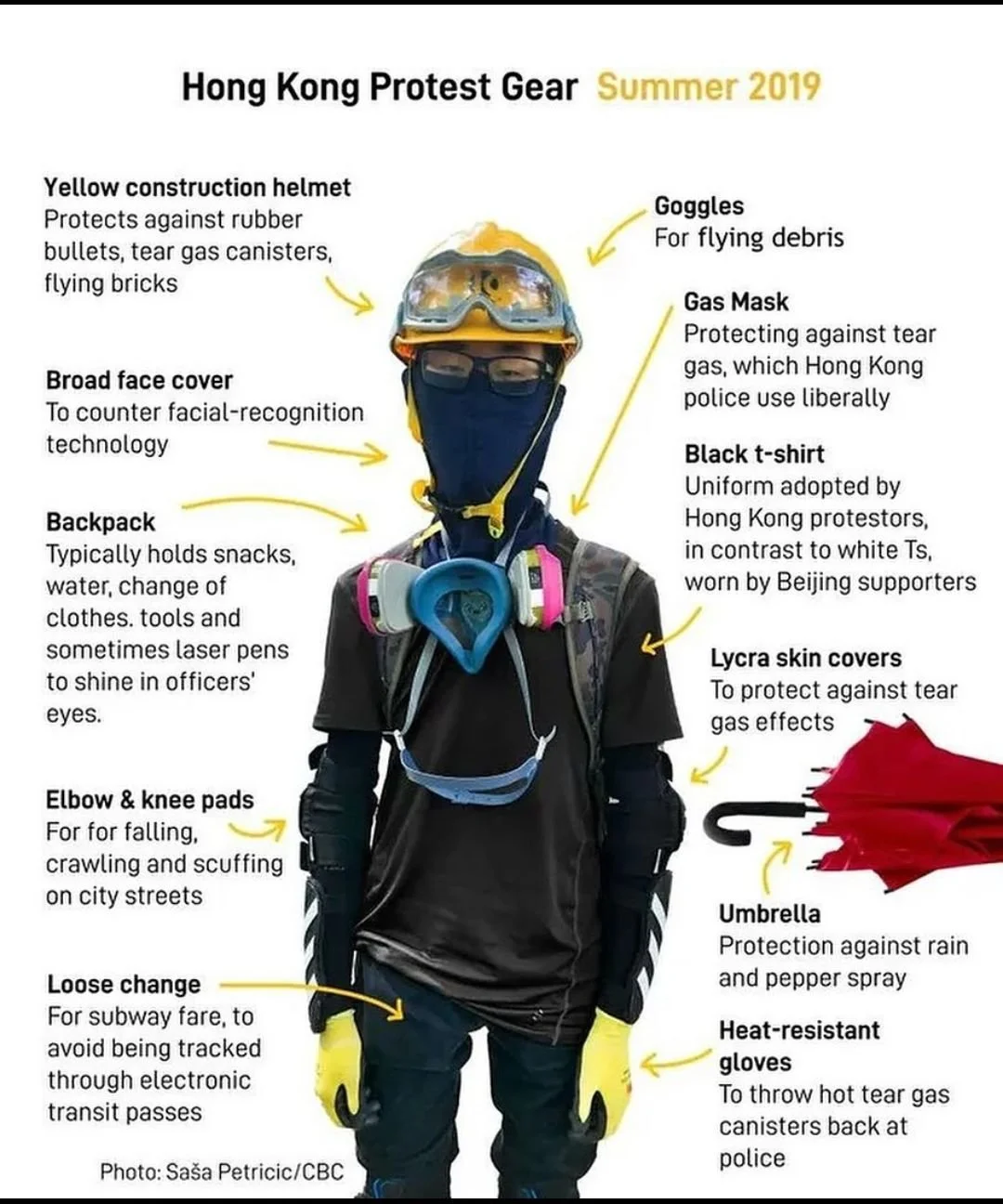
Always prepare for the worst-case scenario. Many protests take place across far distances, can last for hours, or can escalate into a situation more intense than you were expecting. Come prepared by being dressed in the appropriate attire for the weather. Do not wear anything eye-catching (e.g., plain colors, hats, sunglasses, etc.), and cover up as much of your face and as many identifying traits (e.g., tattoos) as possible. Also, bring food, water, ID, and any labeled medication you may need in case of an emergency. Again, anything can happen. Don’t take any of your electronics with you, as these can be used against you if you are taken in by law enforcement. Instead, memorize any phone numbers or important information, and if you can, bring a phone that is not traceable to you. I know you may be thinking, “I’m not a criminal, why do I have to act like one?” Police will take any chance they can to percieve you as one, so MAKE IT HARDER FOR THEM TO DO THEIR JOB! Do not take any pictures of yourself while you are at a protest, and do not post anything on social media about the protest you are attending. Law enforcement has been known to use social media to track down protestors.
Have a Plan
Always, always, always have a plan. Do not let your passion get the best of you and decide to go to a protest last minute with no plan. Know exactly where you are going, how you are getting there, and who you are going with. Memorize the information of important contacts, including names and phone numbers. Make sure someone who is not going always knows your location and has a system for you to check in with them. Know how you are getting home and plan to take an alternate route back in case you are followed. Protests always have the possibility of turning violent, so have a plan on what to do if you are injured or arrested.
Go with a Group
Try to never go to a protest by yourself, as it can be very dangerous. Going with a group can be safer as there are more people to look out for one another (power in numbers). Stick to your group and make sure you all know what the plan is in case of an emergency. Have a spot to meet up at if you get separated. Do not use your real names during the protest. Choose fake names that you will answer to, and do not give your personal information outside of your group. You never know what others' intentions are, so err on the side of caution.
Be Vigilant
Pay attention to what is going on around you! A protest is not the time to get distracted or try to make friends or connections. Actually, it can be the worst time to do so. You never know who you are talking to or what side they are on. Ignore counter protesters and try to stay as far away from any police as possible, especially those on horses or in vehicles. Horses may drag you or they may run you over. Cops are never there to be friendly or to protect anyone. Do not talk to anyone with a camera and try to stay out of photos and videos. Watch to know if things are starting to escalate, and be sure to take action to keep yourself safe.
Know When to Leave
You do not have to keep protesting if you do not feel safe or the situation has gone past your limit. Make a decision about when your threshold is and when you are going to leave. Is it when the police arrive? Is it during verbal escalation? Is it when the first act of violence happens? Know what these boundaries are for you and make sure you and your group are on the same page about this. Do not feel like you have to stay and put yourself in danger.
Protesting is an important part of fighting for our rights and advocating for people. Please do so safely and know that even if you cannot protest, there are a number of ways to help. Protests do not happen without organizers, volunteers, donations, etc. We will use our voices and we will enact change!
For additional protesting resources, please check out these links:
https://www.reddit.com/r/TwoXPreppers/comments/1iehduo/some_preps_and_security_advice_for_safe/
https://www.cannabisclinicians.org/2020/06/19/first-aid-for-protestors-good-samaritans-guide-packing-list/
https://drexel.edu/publicsafety/crime-reports-prevention/safety-tips/safety-tips-for-protests-rallies-marches
Written by: London Allen
East Coast-based writer and community organizer.
Tags: Current Events, Protests, Advocacy
Check out our social media for more resources:
Additional Reading

Leave a comment