
Ways to Beat the Winter Blues
Written By: Grace Mintun
Date: November 10, 2025

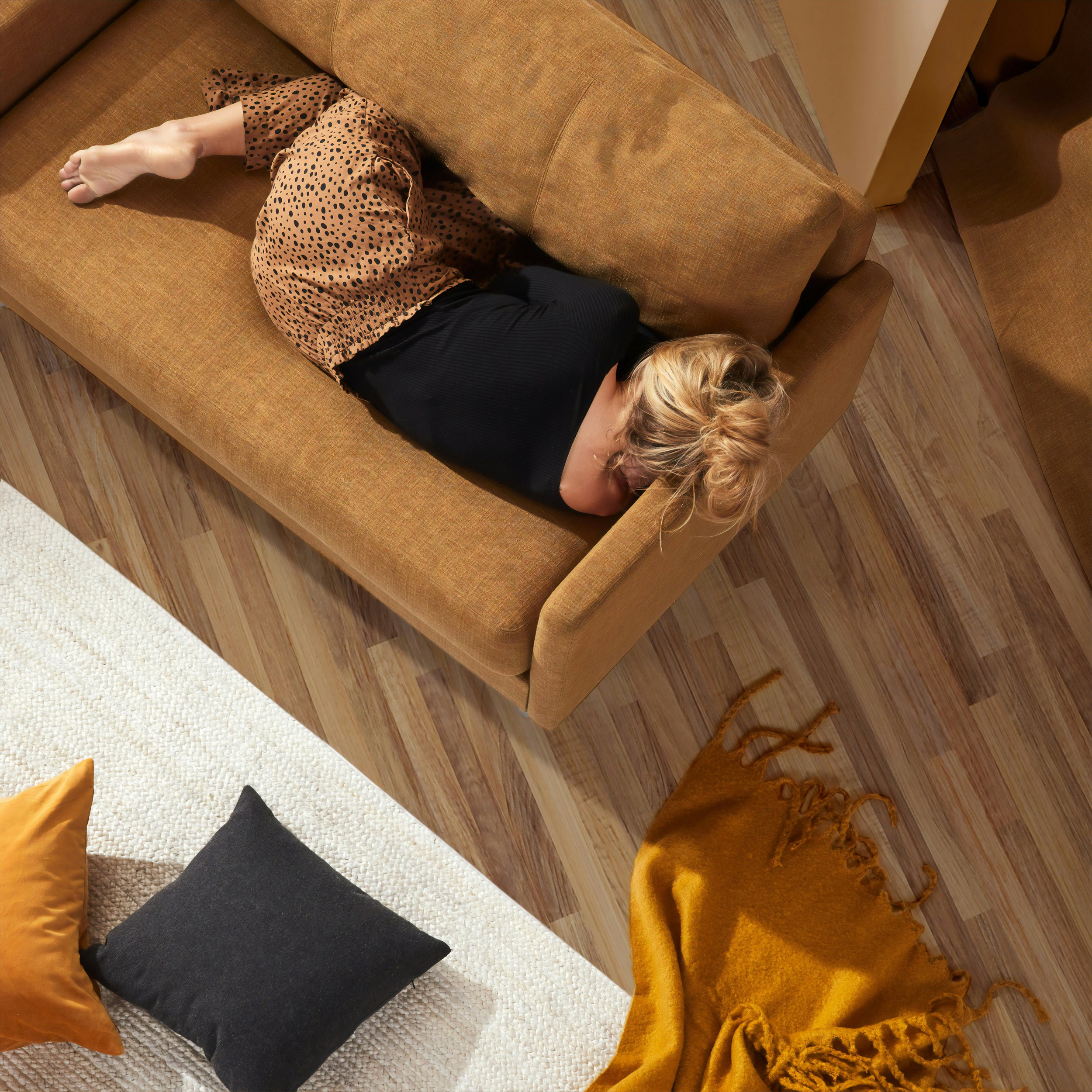
Now that daylight savings time has ended this year, a good portion of the U.S. and the world has been thrown back into the SADs - seasonal affective disorder. Seasonal affective disorder (SAD) is a type of depression that occurs seasonally, typically in the fall and winter months (called winter-pattern SAD). It is characterized by a persistent low mood, loss of interest in activities, and fatigue to name a few. Treatments include light therapy, like sun lamps and supplements like vitamin D, as well as antidepressants and psychotherapy if those resources are available to you. As someone with SAD, here are some remedies beyond those that have helped me, and maybe they’ll help you too!
Inside Weather via UnsplashDon’t be SAD, get GLAD:
Get involved: getting involved in your community and friend groups by making plans to stay busy is a good way to stay positive. While honoring your feelings is important, dwelling in them only makes SAD worse. So, making a schedule of friend hangouts, community events, and other engagements throughout the months will help you to stay focused on outward things, taking the center of attention off of yourself by putting all that negative energy into something productive and positive. Not all of these have to be physical hangouts, some can be virtual, so you can still stay in your winter cocoon.
Leisure lists: The winter months are good for hibernating or focusing hard on your hobbies. A good way to help yourself stay organized is by making lists! For example, make a to-be-read list of seasonal books that celebrate the vibes winter brings. You could also draft a list of the shows and movies that you’ve been putting off and plan days to binge them. Organize a Pinterest board of recipes to try to make baked goods and interesting new foods, and try those while you’re comfy at home. Create a list of activities and cozy new hobbies to try, and intersperse them in your evenings to give you something to focus on when the sun goes down.
Activity and alarms: People with SAD, especially winter-pattern SAD, have reduced levels of serotonin, which helps regulate mood, emotions, and sleep. Another way to produce serotonin is by staying active. Exercise helps produce serotonin, especially exercises such as yoga, walking, and running. Yoga especially helps with staying calm and lowering stress. It is also caused by an excess of melatonin, which can cause hypersomnia, or sleeping too much. So set alarms even on your not busy days to make sure you’re getting up in the mornings to get as much sunshine as possible to help your circadian rhythms.
Diet: A way to produce serotonin is also through diet, by focusing on tryptophan-heavy foods. These foods include but are not limited to: eggs, cheese, soy products, salmon, nuts and seeds, and turkey. This might be why turkey is such a common food found on the holiday table! Combine these foods with carbs and vitamin D to help be absorbed into the body to better help the brain.
Seasonal Affective Disorder doesn’t encompass just one thing, and therefore can’t be treated by just one thing either. Take a little bit of each of these and craft your own recipe for a better, happier fall and winter seasons. Of course, we are not healthcare professionals, so make sure to reach out to a qualified doctor or psychotherapist if you think you are struggling with SAD to get the best treatment plan for you.
Written by: Grace Mintun
About the author description: Grace Mintun is the editor in chief and creative director at Necessary Behavior.
Tags: Mental Illness, Winter, Seasonal Depression
Check out our social media for more resources:
Additional Reading



Sources
https://www.nimh.nih.gov/health/publications/seasonal-affective-disorder#:~:text=Both%20serotonin%20and%20melatonin%20help,melatonin%20disrupt%20normal%20daily%20rhythms.
https://my.clevelandclinic.org/health/articles/22572-serotonin
https://www.nhs.uk/mental-health/conditions/seasonal-affective-disorder-sad/overview/#:~:text=a%20persistent%20low%20mood,decreased%20sex%20drive
Leave a comment