
When the Government Shuts Down, People Get Left Behind
Written By: Zoe Waters
November 13th, 2025
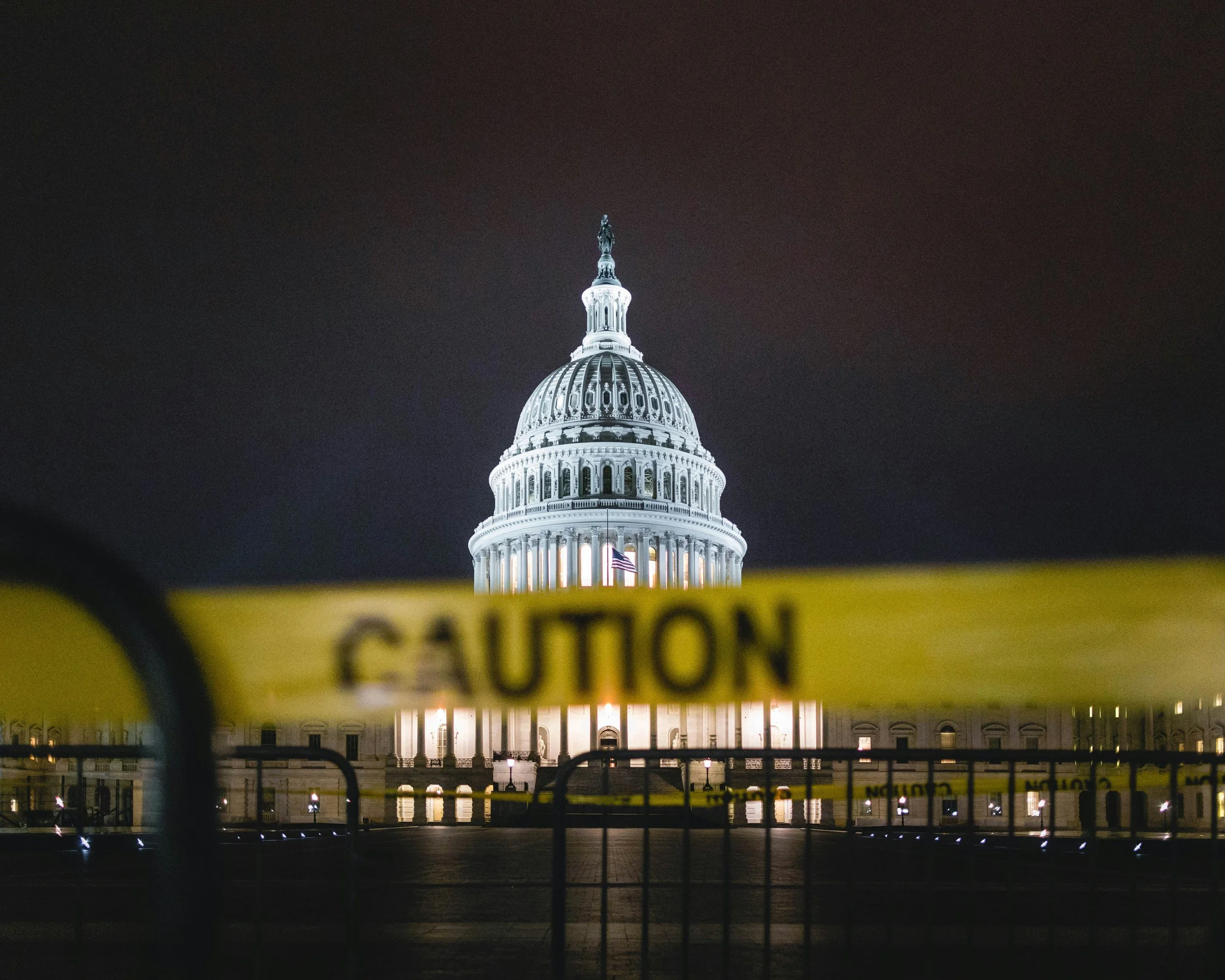
A government shutdown might sound like bureaucratic gridlock, another headline in a long line of political dysfunction. But for millions of Americans, it’s a direct hit to their livelihoods, safety, and sense of stability. As of early November, federal funding has run out, and critical agencies across the United States are either partially or completely closed. Paychecks are frozen, public programs are stalling, and the effects are rippling through communities that can least afford the blow.
Federal workers are the first to feel it. Thousands have been furloughed, or told to keep working without pay, a scenario that’s becoming far too familiar. Black federal workers, who make up nearly 20% of the federal workforce, are being hit especially hard. Many already face systemic barriers to generational wealth, and missing even one paycheck can trigger financial crisis.
According to Capital B News, Black workers are more likely to hold positions in agencies that experience deeper shutdown cuts, like HUD, USDA, and Education. These aren’t just numbers, they’re families. Parents who can’t pay rent, retirees who can’t access their benefits, and young professionals forced to choose between groceries and gas. When the government shuts down, the pain starts at the federal level but spreads outward fast, touching local economies, small businesses, and service providers that rely on government contracts.
The shutdown isn’t just about workers; it’s about the work itself. With large sections of the government halted, programs millions rely on every day are in limbo. Education departments have laid off special education staff. Housing and disability services are seeing delays in payments. Even food assistance, the most basic support system for low-income families, is under strain. SNAP benefits, WIC, and other aid programs are running on limited reserves, meaning millions could soon lose access to essential food support. National parks have closed. IRS helplines are silent. Regulatory oversight is minimal. The systems that quietly keep society functioning are now missing their backbone, revealing just how fragile “normal” really is when governance stops.
This shutdown isn’t a natural disaster, it’s a choice. It’s the result of political brinkmanship, where essential services and real human lives are used as leverage in budget negotiations. Labor unions have filed lawsuits against the administration, challenging threats of layoffs that go beyond the scope of what’s legal during a funding lapse. Every delay in action, every partisan standoff, translates to uncertainty for millions of workers and families. It’s easy to dismiss a shutdown as “temporary,” but there’s nothing temporary about missed mortgage payments, late childcare costs, or medical bills that pile up while the government plays chicken with itself.
Shutdowns expose what already exists: inequality. Black, Brown, and low-income families face the steepest consequences because the systems designed to support them are the first to falter. When these workers are forced into unpaid leave, the shutdown isn’t just an inconvenience, it’s another link in the chain of economic inequity. Meanwhile, the communities they serve lose the very programs that were built to close those gaps. The result? A cycle of harm that deepens every time Congress fails to act.
If you’re a federal worker affected by the shutdown, start by checking your agency’s contingency plans and employee support options. Some unions and organizations are offering emergency assistance or temporary funds for furloughed employees. Local mutual aid networks, churches, and nonprofits often step in to provide essentials like food and childcare, so don’t hesitate to reach out.
If you’re not a federal worker but still feeling the effects, whether through stalled benefits, closed parks, or delayed services, advocacy matters. Contact your representatives and demand an immediate funding resolution. Support local businesses and community programs that rely on federal dollars. And most importantly, look out for your neighbors who may be struggling silently. Solidarity is the antidote to shutdowns. When the government fails to protect, communities can, and must, step in.
The 2025 shutdown is more than a budget dispute; it’s a reflection of misplaced priorities. When partisan gridlock becomes normalized, the people most harmed are those already navigating the hardest realities. But this moment is also an opportunity, a reminder of the power that exists outside Washington D.C.. Every phone call, every donation, every act of care matters. Because when the government shuts down, people don’t have to.
Photo by Andy Feliciotti on UnsplashWritten by: Zoe Waters
About the author description: Zoe Waters is a social justice and public health practitioner with over eight years of experience advancing equity through coalition-building, policy, and community-centered strategies that address health disparities and drive systems-level change.
Government Shutdown 2025, Public Programs, Political Dysfunction
Check out our social media for more resources:
Additional Reading



Leave a comment