
Why Children Run Away from Home—and How to Respond
Written By: Qinghe Wang
Date: March 1st, 2026
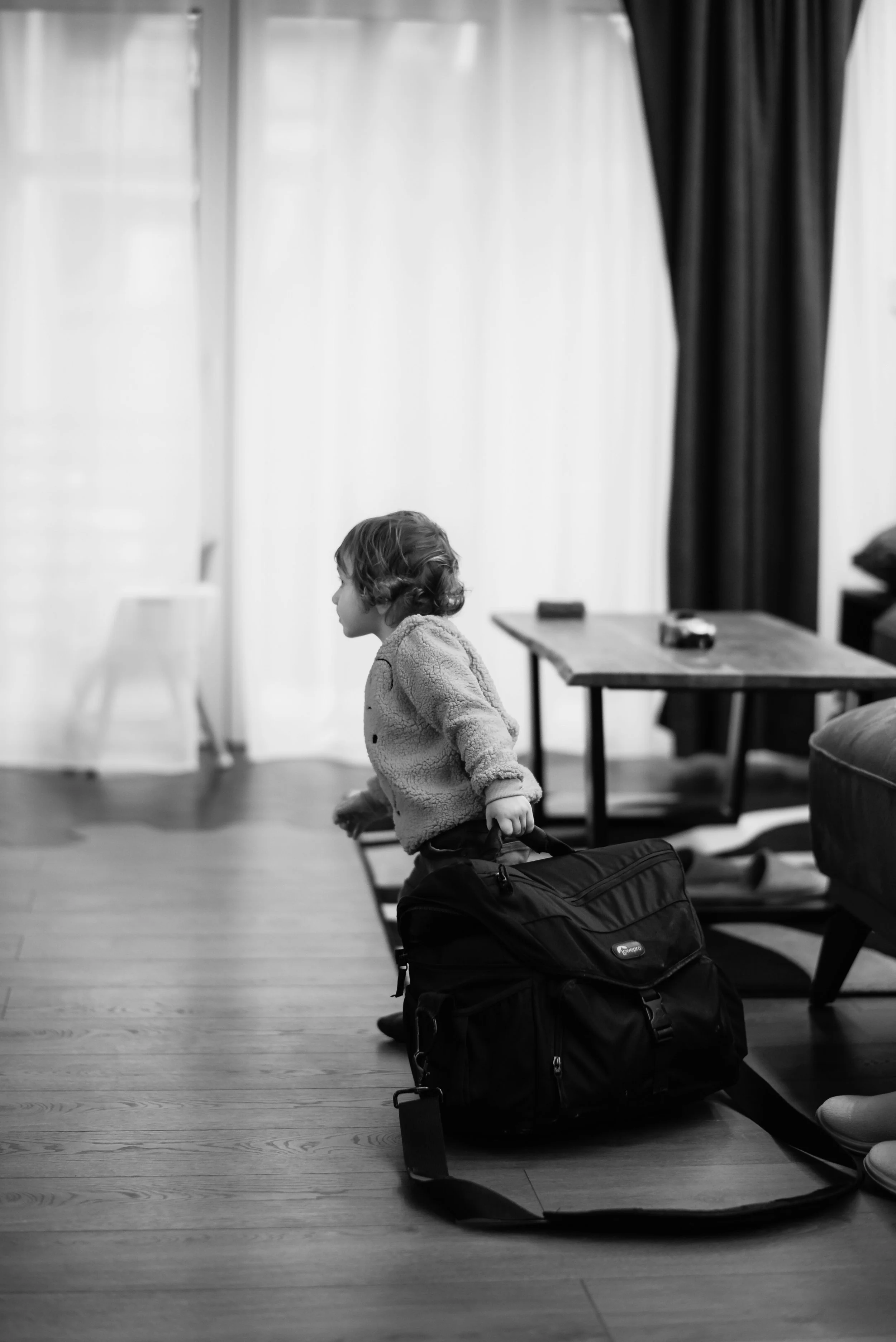
Photo by Tamara Govedarovic on UnsplashChildren running away from home are a serious concern for families, educators, and communities. While it is often associated with danger and impulsive behavior, the reasons behind it are often more complex than simple disobedience or rebellion. In many cases, running away reflects emotional distress, unresolved conflict, or a child’s attempt to regain a sense of control over their situation.
Understanding why children consider running away–and how adults respond to these thoughts–is essential for prevention. Broadly, these situations can be divided into two categories: impulsive, short-term decisions and more serious, planned attempts that signal deeper underlying problems within the home environment.
When It’s Said in the Heat of the Moment
Sometimes the idea of running away shows up suddenly, right in the middle of an argument or a moment of intense frustration. A child feels angry, misunderstood, or powerless—and “I’ll just leave” becomes a way to push back against that feeling.
In these moments, the child usually isn’t thinking logically or considering long-term consequences. They’re thinking about relief—about escaping the feeling they’re in right now. Even if the possibility of danger comes to their minds, many children might choose to rely on a simplified sense of safety, believing that as long as they remain lucky and follow safety rules, they’ll be fine.
For parents, this can be incredibly frustrating or even overwhelming, especially if it happens more than once. And what’s even more concerning is the danger children are putting themselves into using this method.
Because these situations are often emotionally driven, simply warning children about danger is usually not enough. Children often tune out when they feel like they’re being scared into compliance. The tricky part is talking about this without turning it into a fear lecture.
What tends to help more is calm, direct communication. Rather than relying on fear-based messages, it is more helpful to discuss concrete realities and consequences in a grounded way. For example, I’ve heard parents explain to their child about how they will “likely struggle to find reliable food and shelter if they were to run away.”
When it’s More Than a Moment
If a child repeatedly considers running away, or begins planning it in advance, this often signals deeper issues within the home environment. For many parents, that realization can be difficult to sit with. But in such situations, focusing only on preventing the act of running away is not enough. It becomes just as important to understand what made leaving feel like an option in the first place. Unlike impulsive decisions driven by anger or frustration, these cases are more likely to involve ongoing emotional distress, or lack of safety.
For the child, leaving no longer feels impulsive. It can start to feel like a quiet, practical solution—a way out of something that doesn’t seem to be changing. And that shift, from reaction to intention, is often where the concern deepens.
In moments like this, what tends to help most is not just tightening rules but strengthening communication and emotional safety within the home. This includes creating space for the child to express concerns without immediate punishment or dismissal, also making sure that disagreements do not continuously turn into unresolved conflict.
It is also important to recognize that children who seriously consider leaving may already be exploring alternative sources of support, such as friends, relatives, or online communities. This does not necessarily indicate defiance, but rather a search for stability or understanding elsewhere.
Parents or caregivers may benefit from seeking external support when needed, such as family counseling or school-based resources, especially if communication between parents and children begins to break down. These resources can provide an environment where children feel more comfortable expressing concerns that they may hesitate to share at home. They can also help parents better understand the child’s perspective, identify underlying sources of distress, and develop more effective ways to respond to conflict. In situations where a child is seriously considering running away, outside support can play an important role in rebuilding trust, improving communication, and addressing the issues that make leaving feel like an acceptable option.
The Gap Between What Kids Think and What Reality Is
When children consider running away from home, their understanding of safety can directly influence how they judge the risks of leaving.
Many children grow up learning clear safety rules: don’t talk to strangers, don’t get into unknown cars, stay in familiar places. These are important, but they can also create a simplified picture of how danger works.
A child might believe, “As long as I follow the rules, I’ll be fine.” And in the moment, that belief can make leaving feel less risky than it really is.
In reality, not all risks involve clear opportunities to make a “safe” or “unsafe” choice. Some situations are sudden and difficult to control once they begin. However, these examples are often not talked about in children’s education because they are difficult to respond to effectively.
The limitation of this approach is that it may unintentionally suggest that danger only occurs when a child makes a recognizable mistake. For a child thinking about running away, this can create a false sense of confidence that they can stay safe simply by following a few rules. A more balanced understanding of risk includes both preventable situations and those where prevention is not entirely within a child’s control.
This is why safety education is more effective when it goes beyond simple rules and helps children understand their own vulnerability.
Such understanding is particularly important in moments of strong emotion. When a child is frustrated or considers running away from home, a more realistic awareness of how uncertain and complex the outside environment can be may help them pause and reconsider impulsive decisions, not through fear, but through clearer judgment of risk and consequence.
Ultimately, the goal is not only to prevent running away, but to reduce the conditions that make it feel like a necessary option for children in the first place.
Written by: Qinghe Wang
About the author description: Qinghe Wang is an editorial intern and currently a UC Davis undergraduate pursuing a degree in Philosophy with a minor in Writing.
Run Away from Home, Impulsive VS Planned, Ways to Respond
Check out our social media for more resources:
Additional Reading


Leave a comment