
A Case for Long Distance Running and How to Start
Written By: Kael Johnston
Date: May 15th, 2026

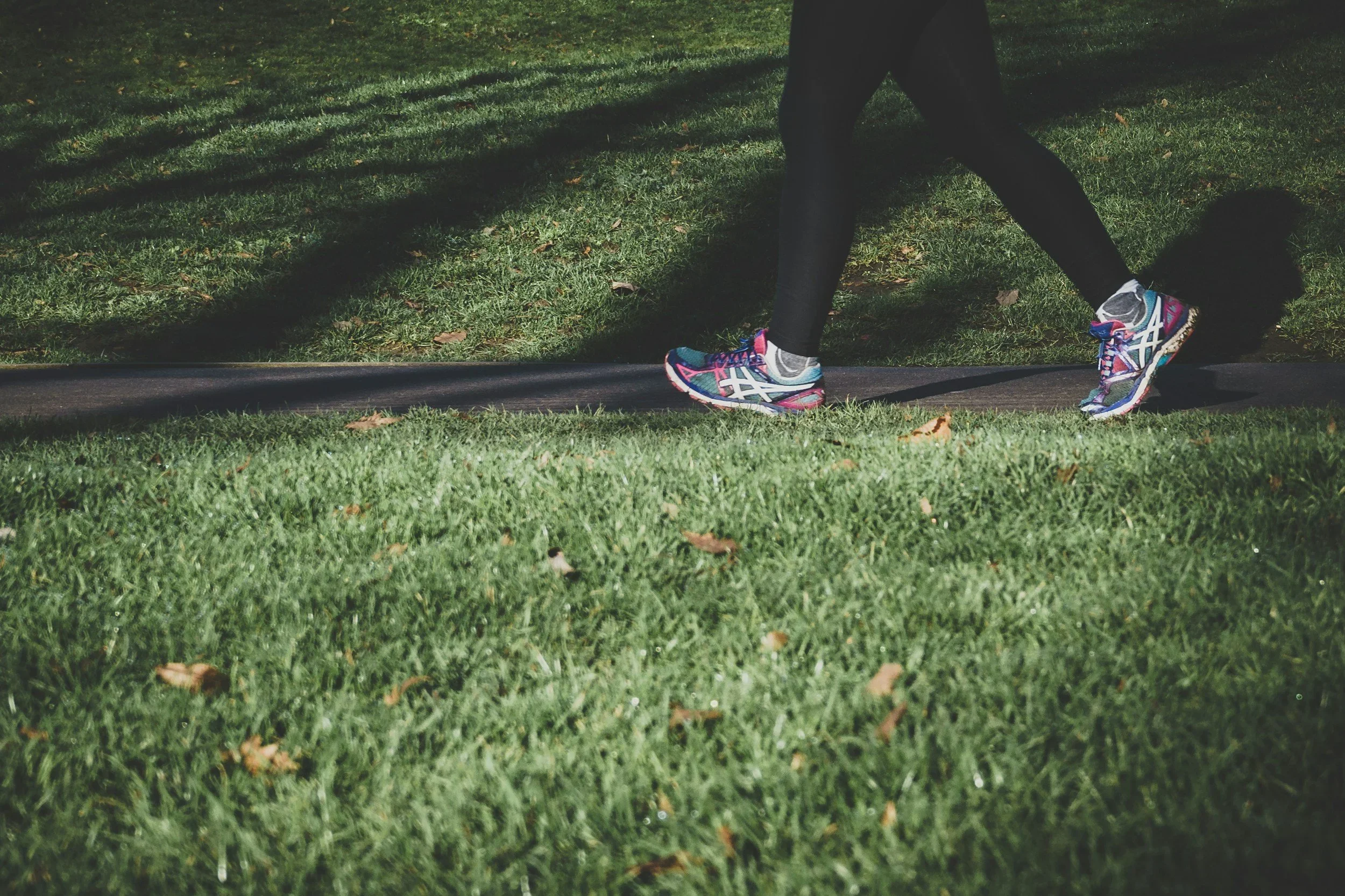
Photo credit: Photo by Mārtiņš Zemlickis on Unsplash As we begin to enter the summer months, finding activities to do outside becomes increasingly important, especially finding ways to move your body.
One of the most daunting forms of exercise is running. The long distances, mundane spaces, and stigma around who can run make it out to be exclusive and unappealing. Although these assumptions can intimidate or deter people, running has many benefits, such as reducing cardiovascular disease and improving mental health. Beyond that, long-distance running can be one of the most accessible and rewarding forms of exercise.
I know firsthand how frightening and unappealing running can be. When I started, it seemed as if there was no way that I could possibly keep pace, get faster, or find fulfillment in the experience. However, the more that I engaged with this practice, and the more of the community I surrounded myself with, I found running to be a meditative and important aspect of my life. It’s a reflective exercise that I use to spend time with myself, and after 5,000 miles on my legs, I can say that there are various ways to get started with this self-reflective practice.
The hardest question you might ask yourself is - how do I start running? It seems simple enough; you put on shoes and go outside. However, there are strategies you can take to make sure that you are running correctly, comfortably, and getting the most out of the experience.
Before you Run
Find a trail or a park where you feel safe to run - Apps such as Strava or All Trails will aid you in finding locations that other runners have approved. If you’re feeling adventurous, run from your home and try to find your way back; this is called an out-and-back.
Eat a light meal - It’s a common presupposition that you should run on an empty stomach, however, eating a light meal packed with carbs and nutrients (such as oatmeal with a banana) will help prevent a growling stomach over long distances. If you’re looking for an energy boost, gels or even fruit snacks will be your best friend.
Wear the right shoes - Something that will fit your feet and provide comfort throughout the distance. Look for shoes that will support your arch with enough room in the toe box for your feet to move around in. *
*When you lay your finger horizontally across the toe-box, there should be around one finger length space between your toe and the end.
Protect yourself with sunscreen - When being outside, it’s important that you take precautions to protect your skin. Seasoned runners are more inclined to skin cancers such as melanoma, so this step is a necessity. In your search for sunscreen, look for clean and ecosafe ingredients such as zinc or titanium oxide. Mineral sunscreen will usually stay on longer and protect you while outside.
Now that you’re prepared, it’s time to hit the trail!
Entry-Level Routines for Beginner Runners
There are various workouts and routines that you can do when starting out running. For one, you can try Slogging. Slogging or “slow jogging” is the best entry-level workout for beginning runners. There is no need to worry about how fast you are going; the intention behind this workout is to just get the body in motion. Start by slowly dragging your feet into a running motion and comfortably holding it for the rest of the run. You should be able to hold a conversation with a fellow runner at this pace. You can also try the Five Minutes On, Three Minutes Off method. Just as it sounds, the five on/ three off method is a great way to start, especially if you’re seeking to run on trails. Try starting at a comfortable pace, just getting your heart rate spiking, then over the course of the five minutes, build up to a more uncomfortable pace. Once you hit the five minutes, slow down and go back to walking for the last three. In terms of technique, when running, make sure that you keep your eyes up and relax your shoulders. A helpful tip is to blow a raspberry to relax your jaw; your body will follow.
Biggest Mistakes
It feels as if there are various mistakes one can make while starting out running; the best thing you have to remember is that it’s a process. Every runner out there has had to start from nothing, so don’t be hard on yourself if you’re not hitting your goals as soon as you’d like. If I’ve learned anything from my 13 years of running, it’s that it’s a slow process. Once you embrace it, however, the joy is found in the practice. The mundanity and slowness of running have encouraged me to use this time as a reflection period. It provides me with an outlet to meditate and detach myself from the chaos of the world for a brief period of time and learn more about myself. As well, it has helped me form strong bonds with other runners who felt the same. That being said, it’s also important that you lean on your other runners for support. Starting out is difficult, but the community that’s embedded in running is inclusive and set on helping one another improve and find joy in the practice. Remember to be kind to yourself when taking the first steps, and enjoy the process.
Written by: Kael Johnston
Kael Johnston is an editorial intern and a current senior at Chapman University.
Tags: Running, Personal Experience, Activity
Check out our social media for more resources:
Additional Reading

5 Tips for Keeping Calm in an Overwhelming World
Walking Your Way into Wellness: Unveiling the Hidden Gem of Daily Strolls for the Mind, Body, and Soul

How to Learn a New Hobby and Actually Feel the Joy
Leave a comment