
Equine Therapy: How Horses Can Help Improve Your Mental Health
Written By: Nicole Snook
Date: January 14th, 2026
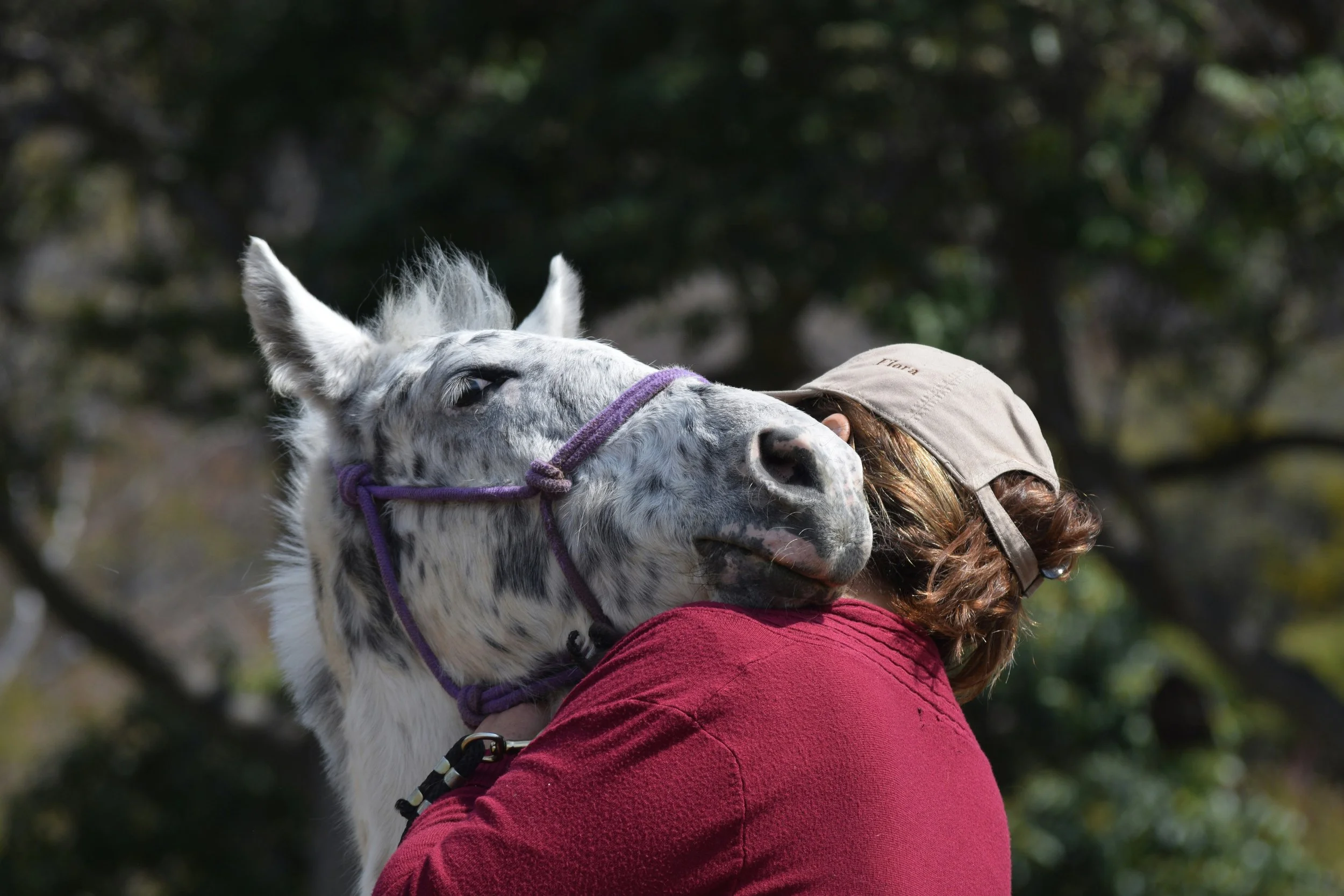
Photo by Yael Gonzalez on Unsplash
With the uncertainty and scariness of the world right now, it can be hard to focus on your mental health. Focusing on the bad of the world can make it easy for a person to neglect their mental health, especially when starting therapy can feel so intimidating. Starting your mental health journey in an alternative way can make the beginning a little less scary and can feel more accessible. One of these alternative methods comes in the form of equine therapy, where a person works with horses, alongside a therapist, to treat their mental health.
What is Equine Therapy?
Equine therapy, also known as equine-assisted therapy, involves working with a horse trainer and/or a mental health professional alongside horses to help treat or improve the symptoms of a wide variety of mental illnesses and disabilities. These mental illnesses include, but are not limited to, anxiety, depression, post-traumatic stress disorder (PTSD), schizophrenia, and bipolar disorder. Equine-assisted therapy can also help children with disabilities, including those in wheelchairs, those who are blind or deaf, and those with developmental disabilities.
What are the Different Types of Equine Therapy?
There are three main types of equine therapy used for mental health, which include equine-assisted psychotherapy (EAP), therapeutic (adaptive) riding, and hippotherapy. Equine therapy, such as hippotherapy and therapeutic horsemanship, can also be targeted towards physical rehabilitation.
Equine-assisted psychotherapy uses horses as a therapeutic tool to assist with the treatment of mental health. Mental health professionals and horse trainers work with the individual by helping them learn to work through problems using non-verbal communication with the horse. EAP also helps the individual discover different ways to solve problems through working with a horse. This work is done on the ground rather than on the horse’s back. This process helps with personal growth, self-discovery, and overall confidence.
Therapeutic riding is used to help with mental, emotional, and physical challenges. Riding a horse takes balance and patience. These skills that an individual learns on the horse can then be transferred into real life. Riding a horse also helps strengthen muscles and increases flexibility by using muscles that are not typically used in daily life. Therapeutic riding can be used for those struggling with mental health issues and to help increase mobility in people with disabilities. Learning to ride a horse with the assistance of a professional can also help increase a person’s confidence, reduce stress, and improve their mood.
Hippotherapy is a treatment strategy used in physical, occupational, and speech therapy through the use of the movement of the horse. An individual will ride on a horse’s back during the therapy session to help promote relaxation and reduce stress. Talking to a therapist while on horseback instead of in the usual therapy office or online can make the session feel less intimidating and can help patients open up more.
What are the Benefits of Equine Therapy?
Equine therapy helps those struggling with mental health by improving their confidence and emotional wellness. Working with big animals, such as horses, can be intimidating, so knowing that you can ride, brush, or even just pet a horse can increase a person’s confidence. Horses used in equine therapy are trained to be calm, patient, and trusting towards those who have little to no experience working with these large animals, so these programs are very effective in increasing someone’s confidence.
Animal-assisted therapy has been proven to be beneficial in promoting the well-being of different populations of individuals who struggle with their mental health. Horses are extremely intuitive to the feelings of humans around them, making them the perfect animal to help increase a person’s wellness. These sensitive creatures can sense when a person is upset, agitated, happy, or anxious through non-verbal cues and energy and adjust their behavior and actions accordingly. Horses trained for therapy with the assistance of a trainer will know how to best support a person struggling with their mental well-being.
When I was younger, I had the privilege of being able to ride horses. In one of my riding lessons, when I was about 9 years old, I took a pretty bad fall from one of the horses, and stopped riding for over 5 years. During this time, I struggled heavily with my confidence and my mental health suffered. When I turned 14, I decided to pick up riding again, and it was one of the best decisions of my life. I went from an anxious, unsure person to someone who felt accomplished and confident. Knowing that I could work with such large, intimidating animals helped me gain back my confidence; it made me feel like I was capable of doing anything. That newfound confidence transferred into my real life and some of my daily anxiety dissipated. After seeing a therapist, I was able to better apply the skills I learned from working with horses to my daily life, and it truly helped improve my mental health.
When looking into whether equine therapy is best for you or a loved one, it is important to remember that this is not a replacement for traditional therapy. It is best to talk to your regular therapist or doctor to see if horse therapy can be included in your mental health plan. Equine therapy is most effective when used alongside a mental health professional. There are many horse barns that specialize in equine therapy, so look up one near you and see if this alternative therapy is right for you!
Written by: Nicole Snook
About the author description: Nicole Snook is an editorial intern and a student working towards her English degree with a minor in professional writing. She enjoys reading, horse back riding, and gaming.
Tags: Horses, Alternative Therapy, Emotional Wellness
Check out our social media for more resources:
Additional Reading



Leave a comment