
How Are You Actually Feeling?
Written By: Nury Chavez
July 23, 2025
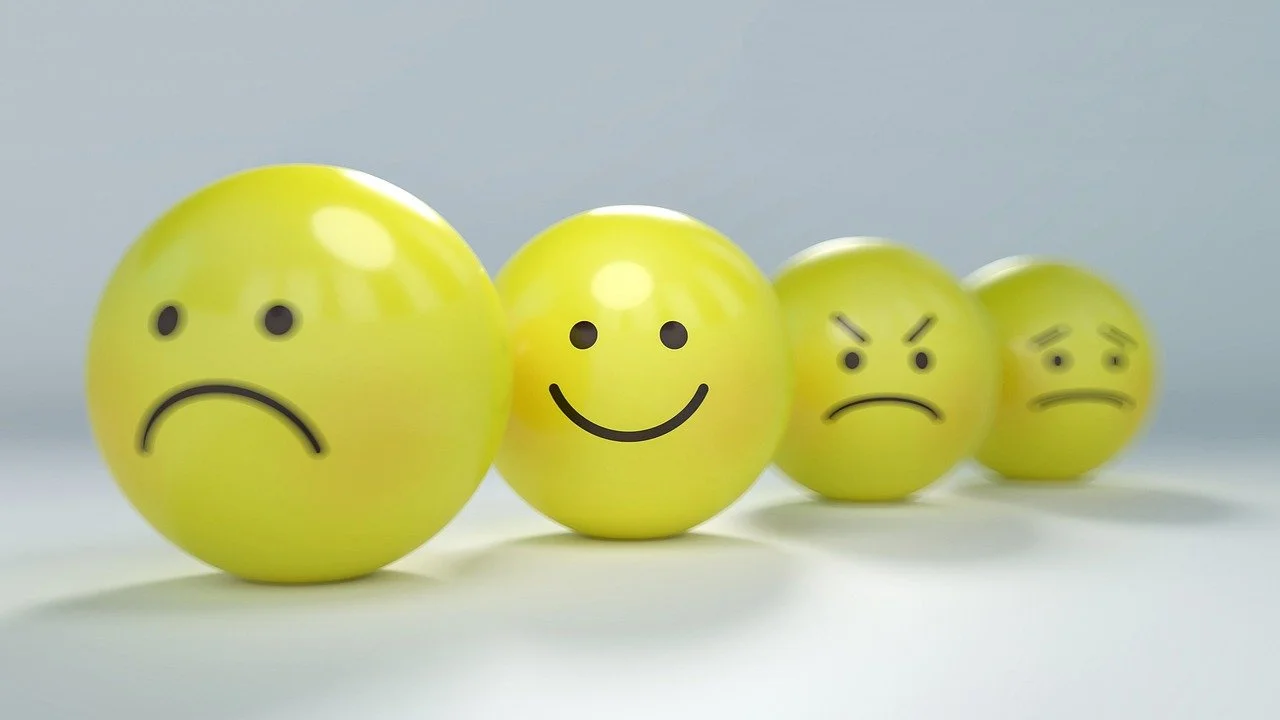
One of the hardest but most rewarding things you can do as an individual is to learn how to understand and process your own emotions. Feeling, understanding, and expressing emotions is what makes you you and connects you to others. And given that we are all constantly feeling things, it may seem like we all just know how to do it. But, in reality, learning how to process and express emotions in a healthy way is a skill that takes a lot of awareness and practice–and, even then, it is inevitable that we can become overwhelmed at some point (and that’s OK too).
From a very young age, we are introduced to and learn ways to deal with our emotions based on the ways that the most influential people around us manage theirs. The interactions we observe and have within our families set the foundation for the patterns that we develop. Ahhh, did that make you tense up? Trust me, you’re not alone. It’s helpful to remember, though, life gets hard for everyone. And when we don’t have the skills or capacity to get through those tough moments in a more balanced way, we’re more likely to unintentionally make decisions that are harmful to ourselves and the people who are close to us
The good news is that even if you (unfortunately) didn’t have the best examples, you can still change the template you’ve been working with. Diving into exploring how you feel and developing the skill of processing your emotions will help you better understand yourself and what you want and need so that you can make the best decisions to move towards your goals and closer to the people you want to share those emotional experiences with.
What are emotions?
Let’s start with some basics that may not be so basic.
Emotions and feelings are intertwined, but they are technically not the same. Dr. Rachel Allyn put it this way: “Emotions originate as sensations in the body. Feelings are influenced by our emotions but are generated from our mental thoughts.” Think of an emotion as a physical cue (i.e., heart starts racing, sweaty palms) to call your attention to a feeling, which requires more intellectual curiosity to make sense of. So, an emotion is like the context in a situation and a feeling is the subtext of it.
The line between emotions and feelings may be a bit blurred, but the key takeaway is to recognize that when you start to feel a physical or emotional reaction that feels hard to grasp, that is your body telling you there’s something you should be paying more attention to!
Once we acknowledge we’re having a reaction, it’s vital that we understand what we’re feeling so that we can make the best choice on how to respond.
What are you feeling?
In general, it can be hard to really get to the bottom of what we’re feeling, especially when we aren’t used to intentionally building that skill. It’s even more difficult to do that when we’re in the heat of the moment, feeling overwhelmed by physical and mental stimuli.
One thing that can help is familiarizing yourself with the Feelings Wheel. Created by Dr. Gloria Willcox, the Feelings Wheel is a tool that organizes different feelings into categories that can help people identify what they’re feeling and what other feelings they can be connected to.
Just seeing the Feelings Wheel can help you find more clarity. The wheel is divided into 3 categories; the inner category represents primary feelings, and it moves outward to second and tertiary feelings–each section you are presented with more nuanced examples that can help you pinpoint what’s going on inside of you.
Over time, as you practice making connections among feelings, you can mentally go through the process of delving deeper into what you’re actually feeling and move towards how to address it.
Processing your feelings
Once you’ve identified what you’re feeling, think about what it’s trying to tell you–what is the underlying message?
There are different ways to approach this and it’s important to figure out what works for you in different situations. But, as a rule of thumb, you should allow yourself a quick moment to check in with yourself. In fact, according to Dr. Jill Bolte Taylor, “[w]hen you’re stressed, pausing ninety seconds and labeling what you’re feeling (eg., I’m getting angry), tamps down activity in the [brain]...and helps you regain control.”
Assess what you need in the moment. Do you need more time to make sense of something? You can practice mindfulness, where you take the time to slow down and pay attention to the thoughts that come up for you. What are these thoughts shedding light on? Journaling can also help you track your thoughts in a more helpful way.
Physical activities like breathing exercises, yoga, creating art, dancing, or going for a walk can help release energy that may be overwhelming and distracting to your mental clarity. Singing always works wonders for me.
Explore what physical and intellectual practices work to facilitate your ability to tune into your inner voice and needs.
Expressing how you feel is necessary
Suppressing your feelings is not only futile, it’s basically impossible to do indefinitely–the feelings will (re)emerge at some point, sometimes they even come back masked as something else.
At times, acknowledging and expressing your feelings to yourself is enough. You take what you learned and connect with yourself, leading to growth into a stronger version of you. Other times, we feel the desire to express ourselves to others to feel heard, seen, understood, and connected.
Learning to process and express your feelings in healthy ways is definitely a challenging route, but it’s the most lucrative. It will lead to more success in all aspects of life. People who invest in learning how to understand, regulate, and express their emotions are more self-aware, know what they want/need, are better problem-solvers and decision-makers, and they have stronger coping mechanisms and relationships with others.
Emotional connection
In the end, feelings are meant to connect; connect us to ourselves, to others, and to the world around us.
We all feel the same things, in different circumstances, at different times–and tapping into our own reference points to understand other people’s emotions is what helps create empathy and connection, even through disagreements. Understanding yourself is the key to understanding others. Understanding is the key to connection. Imagine what would happen if we all got a bit better at this feeling stuff and how much more understanding we would all have for each other as a result.
Via Pixabay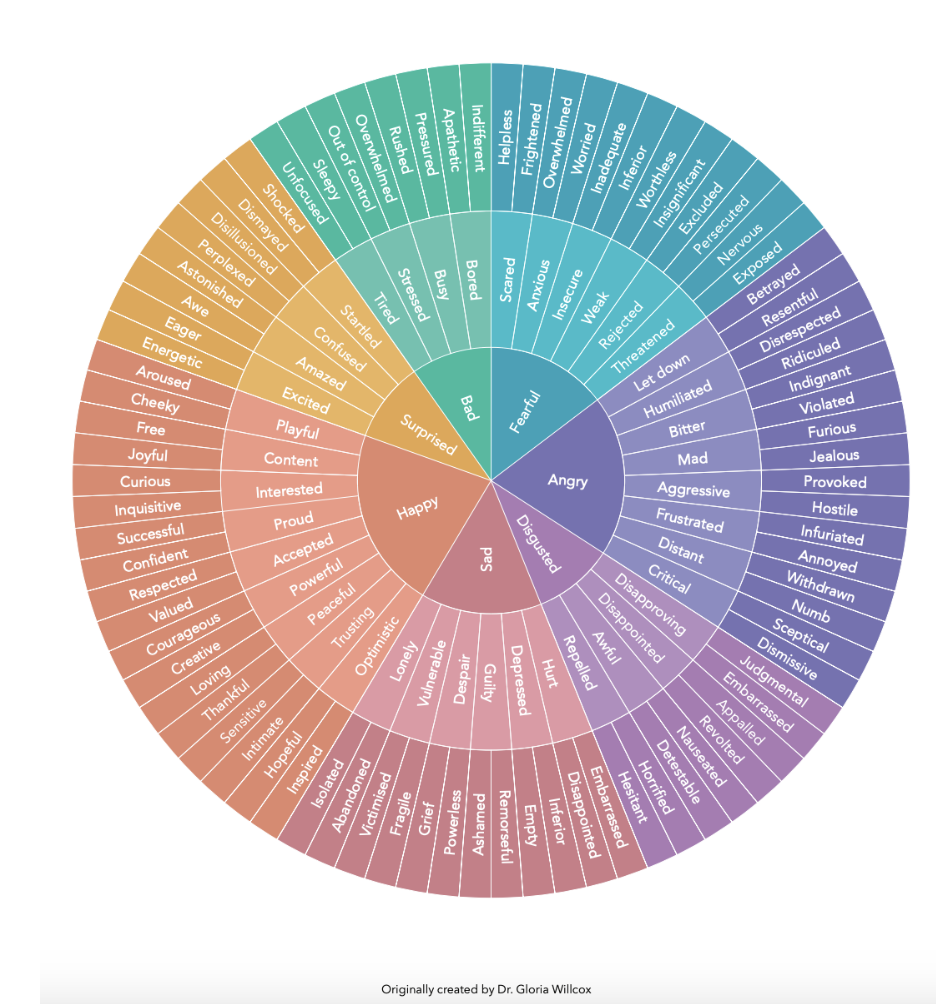
Written by: Nury Chavez
About The Author: Nury is a writer and editor with an academic background in Sociology. She is fascinated with exploring and creating connections among people and the world around us.
Feelings, Self-Development, Emotional Intelligence
Check out our social media for more resources:
Additional Reading



Sources
https://www.psychologytoday.com/us/blog/the-pleasure-is-all-yours/202202/the-important-difference-between-emotions-and-feelings
https://www.calm.com/blog/the-feelings-wheel
https://www.alysonmstone.com/90-seconds-to-emotional-resilience/#:~:text=you%20regain%20control.-,Dr.,stay%20in%20that%20emotional%20loop.%E2%80%9D
https://mentalhealthcenterkids.com/blogs/articles/how-to-process-emotions
https://modernrecoveryservices.com/wellness/coping/skills/emotional/emotional-expression/
Leave a comment