
When Self-Medicating Isn’t Enough, It’s Time to Try Therapy
Written By: Kate Yanulis
Date: May 18th, 2026

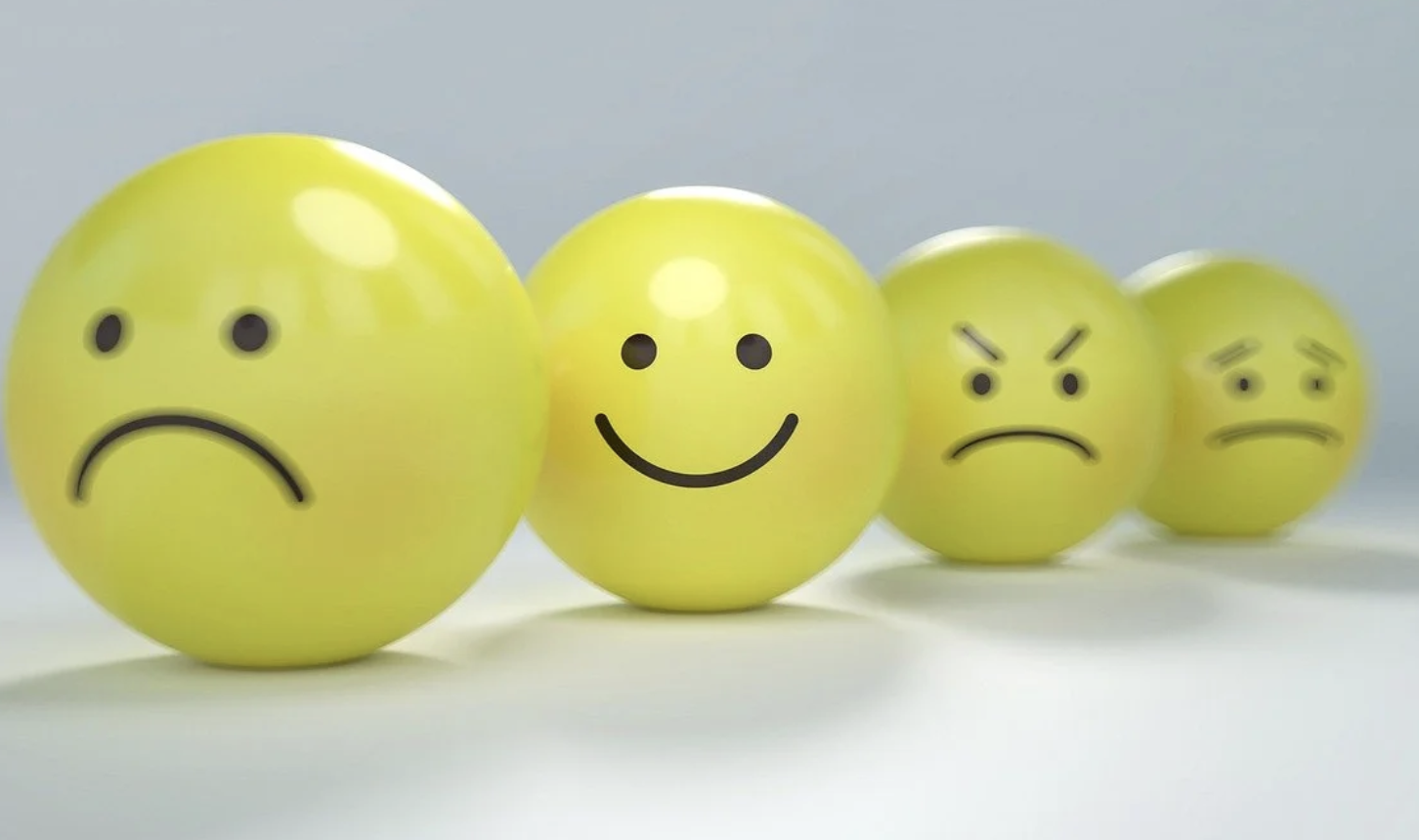
Photo by Anthony Tran on Unsplash Therapy comes to us in many forms. It can start with a comforting conversation with a loved one, maybe a cathartic cry in your car while listening to loud music, or even a long journaling session in your notes app. Nevertheless, the most common form is therapy with a therapist. Specifically, talk therapy, where you speak to a licensed professional about your needs and they help you identify your personal path to success.
For many people, the path to therapy is a long, winding road of ifs, ands, or buts. Where many justify or believe they are perfectly capable of balancing their mental health needs, social, romantic, and work lives. Undoubtedly, while many people can balance each of these major sections of their lives and their mental health, at least 23.4% of adults in the United States have experienced mental illness in 2024 alone.
It’s no surprise that mental health awareness and treatments have increased over the last 5 years. Notably, 8.5% of US adults have switched from medication-based treatments to talk therapy to treat their mental health needs. While it’s easy to look at all these numbers and feel disconnected from them, the real question becomes how to tell when you become a part of that 23.4% and what to do after that.
Loved Ones are for Consoling, not Counseling
One avenue people may find themselves using to regulate their emotions is by talking to their loved ones. While talking to your friends, family, and/or partners in your life about your experiences is important, a budding reliance on specific responses and reactions can actually be a detriment to yourself and your relationships. This isn’t to say you shouldn’t communicate your struggles and feelings to your loved ones, but it is important to recognize when you are looking for a specific type of support that can be difficult for those around you to give properly.
For example, people with anxiety disorder might share with a friend that they believe they flunked a test when in reality they did perfectly well. This friend might not know that this is an anxious behavior pattern, and instead of assuring the person they will be okay, they might agree with the stressor and encourage more anxious thoughts to form. Unbeknownst to them, they have made the person more anxious and afraid of talking about their anxieties. On one hand, sharing worries with people can be a source of comfort; on the other hand, placing your mental health needs in the hands of an unlicensed listener might be a sign for you to look for more effective help from a therapist.
Loved ones may be a great avenue for support and care, but they are not able to offer real mental health treatment and should not be viewed as the be-all-end-all of a conversation for help if you are struggling. A licensed therapist will be able to help you identify behavior patterns and strategies to help you regulate your mental health needs properly.
Put the Party on Pause
Another extremely common avenue that many people find themselves in is self-medicating, a process of relieving stress or masking negative emotions through substances like drugs and alcohol. For 8.1% of US adults, substance use disorder (SUD) presents alongside another mental illness. This means that SUD is a sign of either an effort to treat a mental illness or a path towards one. Often disguising themselves as the life of the party, people presenting symptoms of SUD tend to abuse substances either alone or whenever it is socially acceptable to cloud their heads and escape their thoughts and feelings. This person may be intoxicated frequently and may make efforts to party as much as possible to keep self-medicating through substances rather than confronting their mental health needs.
While it is legal for some substances to be used by adults recreationally, they may instead shield you from your mental health needs without actually helping you through them. This may lead to a reliance on substances for perceived emotional regulation, which may cause damage to your physical and mental health. Substance abuse is not something to be taken lightly or treated as something someone can just stop when they want to. Rather, it is a brain-altering disorder that can be very difficult to escape from, even for willing participants.
If you are finding yourself planning lots of activities around substances or frequently intoxicated, consider speaking about your habits with a licensed therapist who may help you identify patterns and techniques to help you regulate your emotions in other ways. From there, you may learn more about what’s hiding beneath the surface in a safe space meant to support you.
When Your Only Reader is Yourself
One final but deceptive technique people use to treat their mental health needs is through journaling. While there are a range of uses for journaling, and it is more often than not a perfectly healthy thing to do, the potential problem lies in how little someone shares about themselves outside of the journal. Oftentimes, people are left with nobody to share their thoughts and feelings with and instead have to turn to pen and paper. Here, they may jot down a whole realm of emotions without the fear of being perceived. In fact, journaling is one of the most helpful methods of regulating your emotions. It offers a space to quantify worries, anxieties, and frustrations while promoting positive self-talk.
Journaling can be a very important outlet for people to vent things they feel cannot be shared with others. However, it can also be a double-edged sword that may make people feel isolated by their feelings. They may feel extremely comfortable sharing thoughts with their journal but may find it difficult to share their feelings with those around them. This could lead to them hiding their mental health from their loved ones as well as making regulating their emotions in social situations harder. When the only person you speak to about your feelings is yourself, you may fall into a harmful echochamber, especially if your thoughts aren’t the kindest. It can be really critical to incorporate journaling into your life, along with attending sessions with a licensed therapist who may even provide helpful journaling prompts. On top of that, a therapist may become a third party to help you identify patterns and points of contention so that you can take action to help rather than just react in a notebook.
What now?
All three of these habits are some of the efforts people may take towards regulating their emotions and are signs that they might need more support than what is currently available to them. Speaking to a licensed therapist is a great way to receive support and to help you learn more about yourself and your needs. Ultimately, the most important person you need to take care of in your life is yourself and finding a therapist whom you feel comfortable speaking with is a great place to start.
Resources
NPR has a great step-by-step guide to finding the right therapist and payment methods to fit your personal needs. https://www.npr.org/sections/health-shots/2023/07/02/1185661348/start-therapy-find-therapist-how-to
Here is a helpful article by Healthline to help you understand the difference between a therapist and a psychologist and what both can offer you. https://www.healthline.com/health/psychologist-vs-therapist#qualifications
Here is a database created by Good Therapy of licensed therapists to help you identify a therapist near you. https://www.goodtherapy.org/
Here is a database created by the American Psychological Association to help you find a licensed psychologist near you. https://locator.apa.org/
Written by: Kate Yanulis
About the author: Kate Yanulis is an editorial intern who enjoys following Love Island USA, the 1960s French New Wave, writing concert reviews and traveling
Tags: Therapy, Mindfulness, Healing
Check out our social media for more resources:
Additional Reading

How Therapy Saved My Life
How Are You Actually Feeling?

First Time Therapy: What To Expect and Free Therapy Resources
Sources
https://www.nimh.nih.gov/health/topics/psychotherapies
https://www.nami.org/mental-health-by-the-numbers/
https://my.clevelandclinic.org/health/symptoms/25065-emotional-dysregulation
https://www.avmc.org/blog/2024/july/the-importance-of-socialization-and-your-mental-/
https://www.healthline.com/health/emotional-dependency
https://www.mayoclinic.org/tests-procedures/cognitive-behavioral-therapy/about/pac-20384610
https://www.samhsa.gov/substance-use/what-is-sud
https://pmc.ncbi.nlm.nih.gov/articles/PMC3926100/
https://www.urmc.rochester.edu/encyclopedia/content?ContentTypeID=1&ContentID=4552
Leave a comment