
Conoce Tus Derechos/Know Your Rights: ICE
Written By: Jacqueline Salazar Romo
Date: January 30, 2026

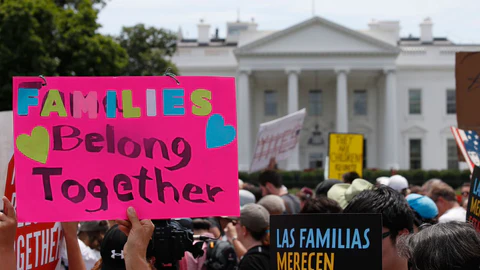
By Chad Davis, CC BY 4.0, https://commons.wikimedia.org/w/index.php?curid=181539097
Miles de manifestantes se han movilizado a nivel nacional contra ICE desde principios de este año, especialmente tras las trágicas muertes de Keith Porter, originario de Los Ángeles, y Renee Nicole Good, de Minnesota. Ambos eran ciudadanos estadounidenses quienes fueron asesinados por agentes de ICE en la primera semana de enero. La indignación se reavivó rápidamente con la noticia de que Adrian Conejo Arias, de 5 años, fue detenido por agentes federales solo unas semanas después en el mismo estado, y fue utilizado esencialmente como cebo para intentar que otros residentes de su comunidad salieran y se entregaran a las autoridades. Más recientemente, el asesinato de Alex Pretti, de 37 años, marcó el tercer tiroteo perpetrado por agentes de ICE en tres semanas. Ahora más que nunca, es importante saber qué medidas puede tomar para protegerse de ICE.
Independientemente de la ciudadanía o el estatus migratorio, todas las personas en Estados Unidos tienen derechos. Si se encuentra con ICE, aquí tiene algunas medidas prácticas que puede tomar, basadas en información de organizaciones de derechos humanos y grupos de defensa de los inmigrantes, como el National Immigrant Justice Center (NIJC), el Immigrant Defense Project (IDP), el Immigrant Legal Resource Center (ILRC) y otros.
Cree un plan de seguridad
Si tiene contactos de emergencia de confianza, memorice sus números de teléfono y otra información de contacto relevante en caso de que necesite comunicarse con ellos.
Si es padre o tutor y teme ser detenid@, puede proporcionar a la guardería, la escuela, el hogar o la comunidad de su(s) hij@(s) o dependiente(s) un contacto de emergencia que pueda cuidarlos.
Otorgue a su contacto de emergencia de confianza autorización por escrito para tomar decisiones legales y médicas en su nombre (o en nombre de su(s) hij@(s) u otros dependientes); de esta manera, si le sucede algo o si es detenid@, su contacto de emergencia podrá asegurarse de que su familia esté atendida.
ICE tiene un localizador de detenidos en línea que puede ayudar a sus seres queridos o familiares a encontrarlo en caso de que sea detenid@. Asegúrese de informarles al respecto.
Si le preocupan sus hij@s o dependientes, considere investigar las cláusulas de tutela y poder notarial, entre otras opciones. Estos son métodos para otorgar a un tutor o autoridad designada el poder de actuar en su nombre para tomar decisiones sobre tratamiento médico, finanzas y propiedades (para usted o sus seres queridos/dependientes).
Familiarícese con sus derechos
Si ICE se le acerca:
Mantenga la calma. No se resista, discuta ni pelee con el agente.
Si ICE se le acerca, no entre en pánico ni huya; esto puede considerarse un motivo válido para que ICE lo arreste.
Si los agentes de ICE le piden que les permita investigarle, no tiene que darles su consentimiento para que registren su persona o sus pertenencias. Tiene derecho a guardar silencio y no está legalmente obligad@ a hablar sobre su estatus migratorio con la policía, con los agentes de inmigración ni con ningún otro funcionario.
No mienta sobre su estatus ni proporcione documentación falsa; al igual que con los derechos Miranda, todo lo que le diga a un agente puede usarse en su contra en un tribunal.
Si bien los agentes pueden interrogar a alguien en un lugar público, deben tener una "sospecha razonable" para realizar interacciones más extensas (como una detención breve e informal que no sea un arresto). Esto significa que deben sospechar que se ha cometido (o se estaba cometiendo/se cometería) un delito, y la sospecha "tiene que ser más que una suposición o una presunción", según la profesora de derecho de la Universidad de Georgetown, Michele Goodwin. Para arrestar a alguien, los agentes necesitan tener "causa probable" (que generalmente requiere evidencia).
Si ICE llama a su puerta:
Según la Cuarta Enmienda de la Constitución de los Estados Unidos, tiene derecho a estar protegido contra registros e incautaciones irrazonables.
Tiene derecho a exigir una orden judicial a ICE antes de permitirles entrar a su casa (los agentes de ICE NO PUEDEN entrar sin una orden judicial válida; esta distinción es importante, ya que ICE puede presentarle una orden de ICE, que NO le otorga a ICE la autoridad para realizar un registro en su casa).
NO tiene que abrir la puerta en absoluto. Si ICE le dice que tiene que abrir para que le muestren una orden, pídales que le muestren la orden a través de una ventana o que la deslicen por debajo de la puerta.
Si es arrestad@/detenid@ por ICE:
No se resista al arresto, no discuta ni inicie una pelea. Nuevamente, tiene derecho a guardar silencio.
Tiene derecho a hablar con un abogado. Si es detenid@, NO firme ni acepte nada por escrito sin antes hablar con un abogado. Firmar un contrato podría implicar renunciar a su derecho a hablar con un abogado o a tener una audiencia de inmigración.
Priorice su seguridad (y la de su comunidad), manténgase informad@ sobre la presencia de ICE en su área y no entre en pánico. Independientemente de su estatus migratorio en este país, usted tiene derechos.
— — — ENGLISH BELOW — — —
Thousands of protestors have rallied on a national scale against ICE since the beginning of this year, especially after the tragic deaths of Angelino native Keith Porter and Minnesotan Renee Nicole Good. Both were American citizens killed by ICE agents in the first week of January. Outrage quickly renewed with the news that 5-year-old Adrian Conejo Arias was detained by federal agents only a few weeks later in the same state, and was essentially used as bait to try and lure other residents of his home to exit and surrender to authorities. Even more recently, the murder of 37-year-old Alex Pretti marked the third shooting by ICE officers within three weeks. Now more than ever, it’s important to know what steps you can take to try and protect yourself from ICE.
Regardless of citizenship or immigration status, all individuals in the United States have rights. If you encounter ICE, here are some actionable steps you can take, sourced from human rights organizations and immigrant advocacy groups such as the National Immigrant Justice Center (NIJC), the Immigrant Defense Project (IDP), the Immigrant Legal Resource Center (ILRC), and others.
Create a Safety Plan
If you have trusted emergency contacts, memorize their phone numbers and other relevant contact information in case you need to reach them.
If you’re a parent or caretaker and fear being detained, you can provide your child(ren)’s or dependent’s daycare, school, home, or community with an emergency contact that will be able to potentially look out for them.
Grant your trusted emergency contact authorization to make legal and medical decisions for you (or for your child(ren) or other dependents) in writing; this way, should anything happen to you or should you be detained, your emergency contact will be able to ensure your family is taken care of.
ICE has an online detainee locator that may help loved ones or family members to find you in case you are detained. Make sure to inform them about it.
Should you be worried about your child(ren) or dependents, consider looking into guardianship and power of attorney clauses, among other options. These are methods to grant a designated guardian or authority the power to act on your behalf for decisions regarding medical treatment, finances, and property (for yourself or your loved ones/dependents).
Familiarize Yourself with Your Rights
If ICE approaches you:
Keep calm. Do not resist, argue, or fight the officer.
If ICE approaches you, do not panic and run away; this can count as an acceptable reason for ICE to arrest you.
If ICE officers ask to investigate you, you do not have to give them consent to search your person or your property. You have the right to remain silent and are not legally obligated to discuss your immigration status with the police, with immigration agents, or with any other officials.
Do not lie about your status or provide false documentation—much like the Miranda Rights purport, anything you tell an officer can be used against you in court.
While officers are allowed to question someone in a public place, they are required to have a “reasonable suspicion” in order to engage in more extensive interactions (such as brief, informal detainment that isn’t an arrest). This means that they must suspect that a crime has been (or was being/would be) committed, and the suspicion “has to be more than a guess or a presumption” according to Georgetown University law professor Michele Goodwin. In order to arrest someone, agents need to have “probable cause” (which generally requires evidence).
If ICE knocks at your door:
Under the Fourth Amendment of the US Constitution, you have the right to be protected from unreasonable searches and seizures.
You have the right to demand a judicial warrant from ICE before letting them enter your home (ICE agents CANNOT enter without a valid judicial warrant—this distinction is important, as ICE may present you with an ICE warrant, which does NOT give ICE the authority to conduct a search in your home).
You do NOT have to open the door at all. If ICE tells you that you have to open it for them to show you a warrant, ask them to show the warrant to you through a window or have them slip it underneath the door.
If you are arrested/detained by ICE:
Do not resist arrest, argue, or initiate a physical altercation. Again, you have the right to remain silent.
You have the right to speak with a lawyer. If you are taken into custody, do NOT sign or agree in writing to anything without first speaking to an attorney. Signing a contract may cause you to waive your right to speak with a lawyer or have an immigration hearing.
Prioritize your (and your community’s) safety, stay informed about ICE presence in your area, and don’t panic. No matter your status in this country, you have rights.
Written by: Jacqueline Salazar Romo
About the author: Jacqueline (she/they) is an editorial staff member.
Tags: Anti-ICE, Immigration, Know Your Rights, Protesting
Check out our social media for more resources:
Additional Reading

Sources:
https://www.nytimes.com/2026/01/10/us/ice-shooting-protests-minnesota.html
https://www.cnn.com/us/live-news/ice-minnesota-minneapolis-maine-immigration-01-23-26
https://www.rawstory.com/renee-good-2675013949/
https://www.wired.com/story/how-to-protest-safely-gear-tips/
https://necessarybehavior.com/packing-a-protest-bag-five-things-you-need-to-include
https://www.msn.com/en-us/news/us/what-to-know-about-the-ice-out-protest-in-minneapolis/ar-AA1UPtOB
https://abcnews.go.com/US/alex-pretti-icu-nurse-killed-federal-agent-minneapolis/story?id=129525591
https://www.immigrantdefenseproject.org/know-your-rights-with-ice/
https://immigrantjustice.org/for-immigrants/know-your-rights/ice-encounter/
https://www.ilrc.org/community-resources/know-your-rights/know-your-rights-when-confronted-ice-flyer
https://locator.ice.gov/odls/#/search
https://www.theguardian.com/us-news/2026/jan/16/keith-porter-jr-ice-killing
Leave a comment