
Statelessness: When Your Country Disappears Overnight
Written By: Salman Al Rowais
Date: January 26th, 2026
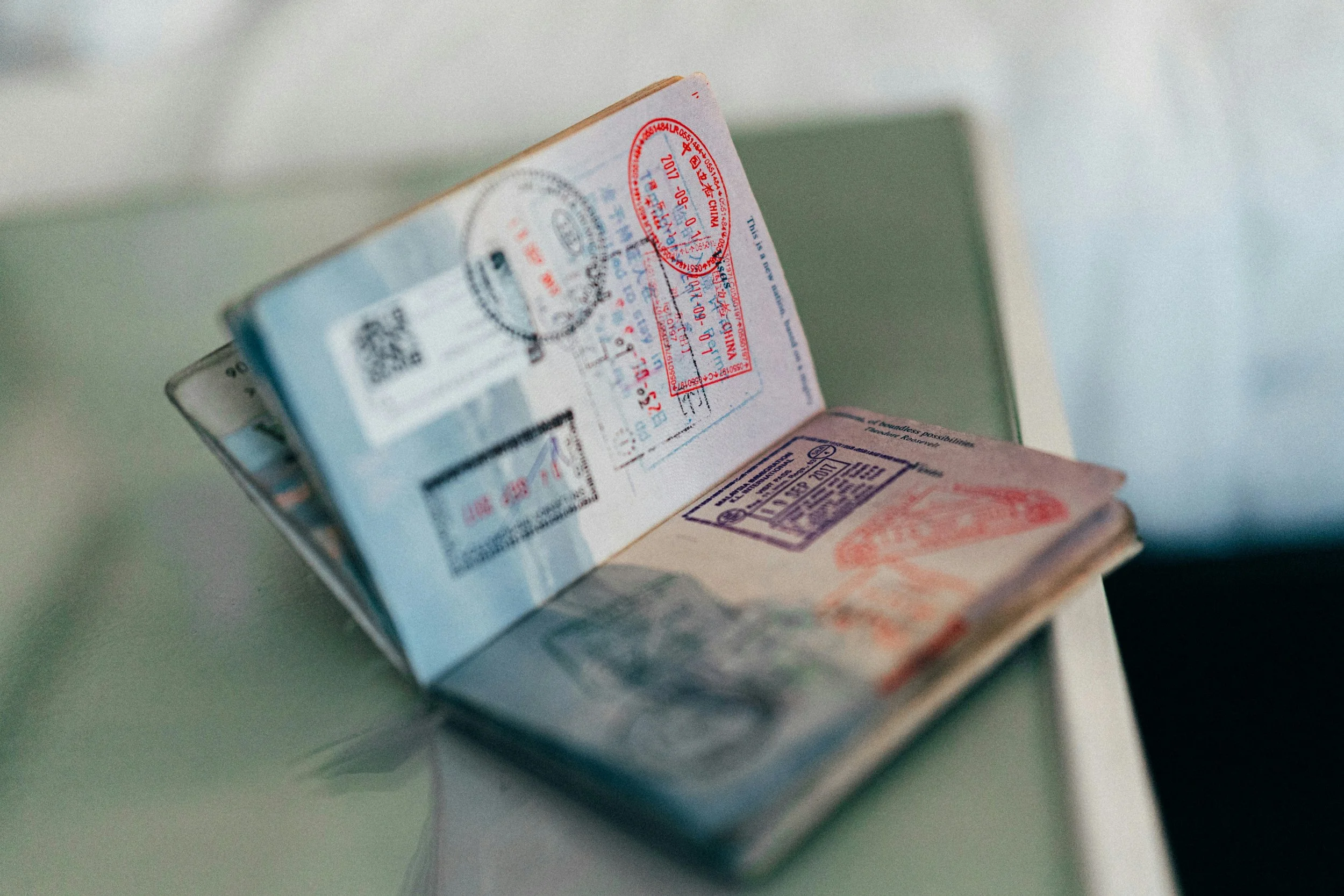
Photo by Kit (formerly ConvertKit) on UnsplashHave you ever thought about what happens when a country ceases to exist, or when one leaves its citizens without proper documentation? Famous cases have been the fall of the USSR in the 1990s; Myanmar, where a large portion of the population was stripped of citizenship; and finally Syria, where thousands were left displaced, unable to retrieve their documentation. But statelessness does not focus on the countries themselves, but the people affected by them. Today, I will be telling you about a global crisis that leaves millions unable to live normal lives.
Being stateless means that a person has no nationality in any country. You can either be born stateless or become stateless later in life. Currently, it is estimated that there are over 4 to 15 million people in the world who are considered to be stateless. This does not only mean that they can't travel to other countries; it is much deeper than that. Stateless people often lack basic human rights such as healthcare and education, even being unable to work to sustain themselves. This status can even be passed on to their children once they are born, continuing the cycle. Being stateless leaves people in such a difficult legal situation that, even with proper legal counsel (which would be difficult for them to get), it could take years for them to stabilize their status.
Stateless children arguably have it the worst in this scenario. There are cases where the children know they are stateless and some where they have no idea until it blindsides them. Even if they are aware of their status, it is still heartbreaking and deeply damaging. Hearing their peers talking about things like traveling, which they would have no ability to do, or enduring discrimination due to their status, are all a part of their daily life.
Some interesting cases involving statelessness, highlight just how convoluted laws surrounding it are. For example the case of Sergei Krikalev, he was a cosmonaut for the Soviet Union. In 1991 he set off on a five-month-long mission into space which turned into 311 days. Dubbed the ‘Last Soviet Citizen’, he was stuck in space due to the collapse of the Soviet Union and could not return due to the chaos that was occurring at the time. Budgeting, landing location and political turmoil were just some of the reasons he could not return. Kazakhstan, which was in control of where the aircraft could land, became independent, which complicated things further. Finally, he was able to return in March 1992, having to undergo intense physical rehabilitation due to his prolonged visit.
The next case involved Mehran Karimi Nasseri. Arriving in France without proper documentation, he was effectively stuck in the Charles De Gaulle airport. If he attempted to leave the airport, he would be detained. Due to him being an Iranian refugee, he was unable to receive any help from an embassy or consulate or even the French government, so he decided to just stay in the airport. He lived in the airport from 1988 to 2006, where he unfortunately passed away.
Countries in the EU are attempting to make strides in dealing with statelessness. The first step they are taking to combat the issue is recognizing stateless individuals; this means doing accurate counts of statelessness in an attempt to identify and aid them. Doing accurate counts is an inherently difficult task due to the nature of being stateless, since if you do not have the proper documentation, there is no way for the government supposed to keep a record of you in the country. Stateless people are more inclined to stay out of the governments and police's eye due to fear of legal trouble associated with their status, which could prevent them from receiving help and prevent the government from achieving an accurate count. The second step they are taking is giving stateless people a nationality. Countries like Ireland simplify the process by giving citizenship based on whether they have lived in the country for a certain period of time. North Macedonia has recently ended statelessness caused by the dissolution of Yugoslavia. It is the first country to do so and is aiming towards ending statelessness entirely in the country, but it shows just how long it takes to implement a system to grant citizenship to stateless people.
Statelessness is an ongoing battle across the world affecting millions of people everyday. While the issue is complicated, we have been shown that there are ways countries can help people who are considered stateless. But it will take a significant amount of time for countries to enact laws and procedures to combat this issue.
Written by: Salman Al Rowais
About the author: Salman is an intern in the editorial department and a graduate with a BA in Sociology. He enjoys gaming, reading and all things fashion.
Stateless, Human Rights, Immigration
Check out our social media for more resources:
Additional Reading



Leave a comment