
Making Environmentally Conscious Choices in a Consumer Economy
Written By: Molly Wilkinson
Date: October 20th, 2026
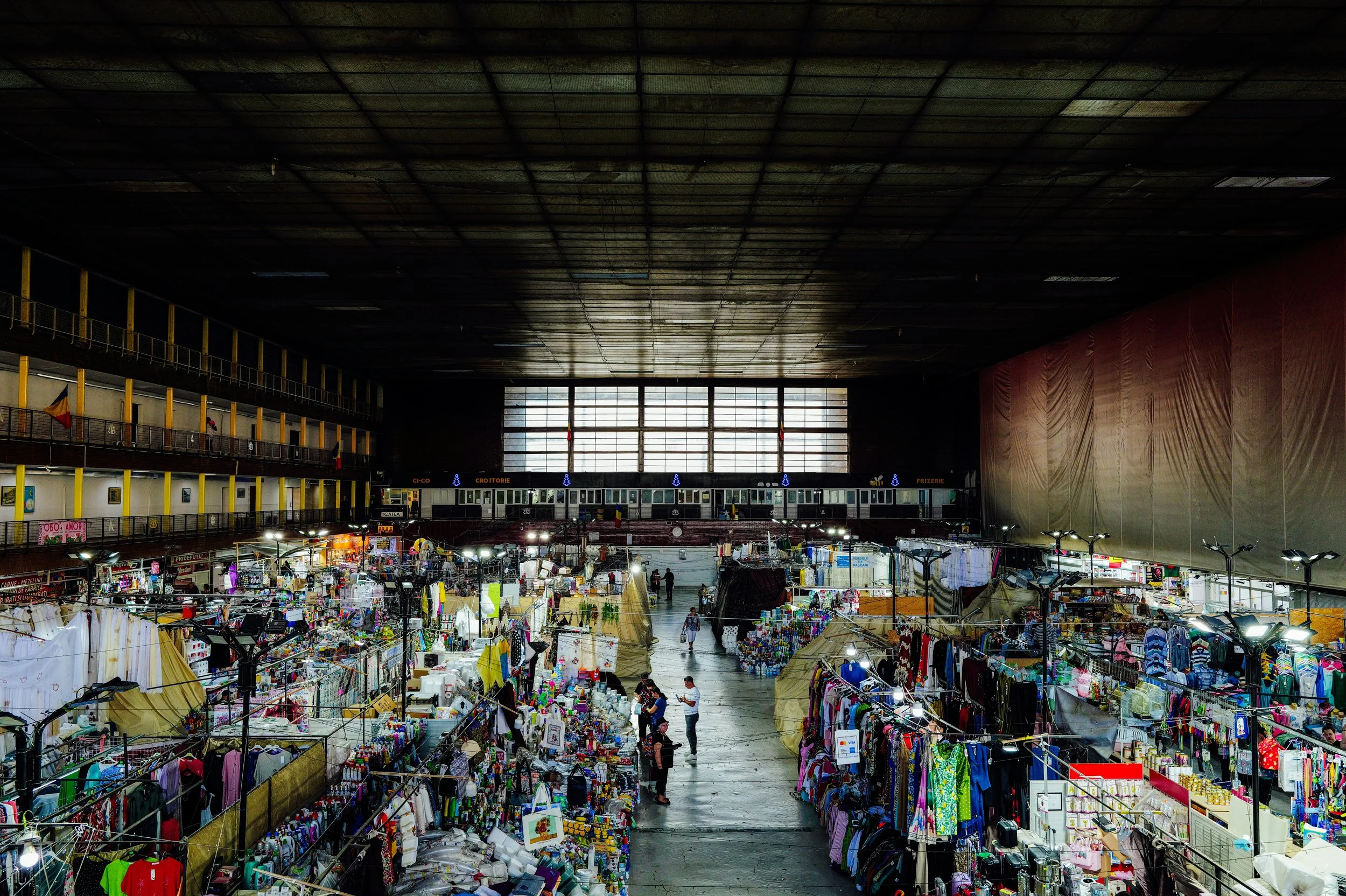
Photo by Adrien Olichon on UnsplashThe other day, a friend of mine opted to replace her paper towels with bamboo towels. It seemed like a small, sensible step toward a more sustainable household––less waste, less disposable product, a little less harm to the environment. She ordered them from Amazon in just a few clicks. The following day, the towels arrived in a cardboard box twice their size. The irony was hard to miss.
Many of us try to make environmentally conscious choices; we carry reusable bags, separate our recycling, buy products marketed as eco-friendly and try to leave a lighter footprint. Still, our efforts exist within a consumer culture predicated on convenience, rapid consumption and unnecessary waste. Much of the public conversation around sustainability focuses on individual behavior, which can make environmental harm seem like a problem consumers can solve through better habits alone. The question isn’t about whether individual choices matter (they do!), but why sustainability is so often framed as an individual responsibility when so much of the environmental cost of consumption is determined before a product reaches us.
The environmental cost of consumption began long before that package reached my friend’s doorstep. In a typical e-commerce supply chain, natural materials are extracted, processed, and manufactured into products before being transported to warehouses and distribution centers to await delivery. According to the International Institute for Sustainable Development, this network of operations has interconnected environmental impacts: enormous carbon emissions from transportation, energy intensive warehouses, and packaging waste. Fast delivery relies heavily on air transport, which creates far more carbon emissions than slower alternatives. Warehouses consume energy for heating and cooling, while their locations on the periphery of cities can exacerbate emissions given longer transportation distances.
The most visible impact to the consumer is packaging. Wherein traditional retail products can be transported to stores in bulk, individual online purchases often use multiple protective layers to withstand shipping. A 2024 report by Oceana estimated that Amazon generated 208 million pounds of plastic packaging waste in the US in 2022, with up to 22 million pounds likely ending up in waterways.
Fast shipping adds another layer to this environmental cost. The convenience of quick delivery increases consumption and emissions as companies prioritize speed over consolidating shipments and optimizing delivery routes. Sreedevi Rajagopalan, a research scientist at MIT's Center for Transportation and Logistics, told PBS News that fast shipping increases carbon emissions by an estimated 10-12% for the same level of demand.
It can be difficult to reconcile trying to consume more consciously with an economy that makes consumption nearly effortless. The One Planet Network describes the prevailing economic model as a linear process of taking resources, making products, using them, and then quickly discarding them. Producers aren’t held responsible for what happens to their products, so they have less incentive to design items that last longer or that can be repaired, reused, and recycled. According to Sentient, technological advancement reinforces these patterns by expanding advertising exposure and making high-volume production more cost-effective than ever. As companies compete to attract customers with lower prices, greater convenience and faster delivery, sustainability can be reduced to another selling point to encourage continued purchasing rather than a reason to consume less.
At the same time, the ability to make environmentally conscious choices is itself shaped by privilege; sustainable alternatives often come at a premium, and the time and resources required to determine which choices are more environmentally friendly aren’t equally accessible to everyone. Research from Deloitte’s Sustainable Actions Index in 2023 reinforces this disparity; lower-income respondents are more likely to cite cost as a barrier to purchasing sustainable products. Additionally, the 2024 Global Resources Outlook states that higher-income countries consume six times more materials and generate ten times more environmental impact than low-income countries. This complicates the all too simplistic expectation that people should simply choose to consume more responsibly. If we frame sustainability as a matter of personal discipline alone, we risk overlooking how access to sustainable choices varies with income and resources. It’s easier to prioritize sustainability when it doesn’t compete with more immediate demands like paying rent or feeding loved ones.
None of this is to say that our actions as consumers don’t matter, but my friend’s bamboo towels are not the problem, nor is the bulky box in isolation. From the technologies that make the manufacturing and purchasing processes easier to the companies that control production and delivery, there are several forces driving environmental harm that lie beyond the consumer’s control. Environmental responsibility should be proportional to power and access, individual action should complement, not substitute, broader structural change. Businesses can improve delivery logistics, reduce unnecessary materials, and design products to last, while policymakers can establish and enforce standardized practices to hold companies accountable and create transparency for consumers. Meaningful progress depends on making sustainability a shared responsibility.
Written by: Molly Wilkinson
About the author: Molly (she/her) is an editorial intern at NB
Sustainability, Consumerism, Environmental Impact, E-commerce
Check out our social media for more resources:
Additional Reading


Leave a comment