
Oil Causes Wars and Why We Should Switch to Renewable Energy
Written By: Nicole Snook
Date: April 15th, 2026
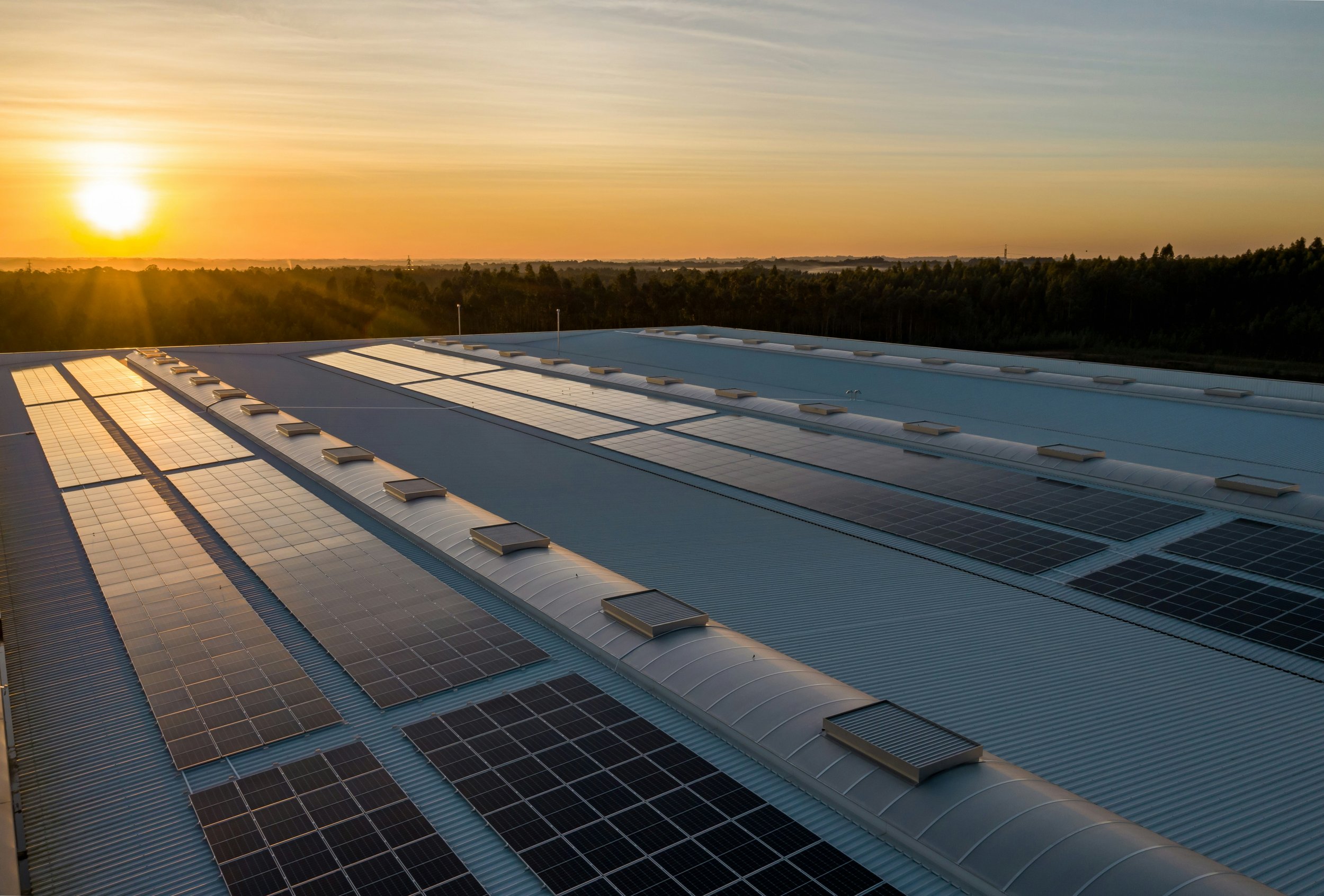
Nuno Marques via UnsplashDonald Trump declared a “national energy emergency” on January 20th, 2025. Since then, the Trump administration has made it their mission to collect foreign oil at any cost. On January 3rd, 2026, the United States captured the Venezuelan president under the guise of arresting him for drug trafficking. While this seems like a good sentiment, the U.S. clearly had selfish motives, as they are now refining and processing Venezuelan oil four months later.
Most recently, the U.S. and Israel launched coordinated attacks on Iran starting February 28th, 2026. Trump claimed that the goal of the Iranian war was to destroy its missile capacities while creating an opening for regime change. He is now threatening genocidal attacks on innocent Iranian citizens on Truth Social: “A whole civilization will die tonight, never to be brought back again,” if Iran does not open the Strait of Hormuz, one of the major routes for global oil transport. In a recent statement at the White House Easter Egg Roll, Trump told reporters, “If I had my choice, I'd keep the oil,” when referring to the Iran war.
These attacks hide under the rhetoric of trying to do right by the people and bring justice to citizens, but it all comes back to one thing: oil. Everything is about making more money, and it’s no secret that making oil is extremely profitable. The catch is that mining oil causes significant harm to our planet in more ways than one. Wars are started over oil, leading to the death of innocent civilians. Over 3,000 people have been killed in the Iranian war alone. The planet is dying from oil extraction. Oil fracking has produced vast amounts of wastewater that contain harmful chemicals. Oil spills in the ocean have significantly made waters toxic for wildlife, and global warming is at an all-time high as human activities release greenhouse gases.
While this all may seem bleak, it is not too late for the world to change its ways and stop relying on fossil fuels and oil. Switching to renewable energy, such as solar and wind power, has immense benefits. This type of energy does not generate greenhouse gases, which helps combat climate change and reduces air pollution. Using renewable resources diversifies the energy supply we rely on and reduces dependency on imported fuel, giving less incentive to attack areas that are rich in oil. Switching to solar and wind can also create more jobs, helping with economic development. Some places have already begun to make the switch to renewable energy, showing that it is possible to rely on energy sources that aren’t oil.
South Australia used to struggle with constant blackout risks but is now fully relying on renewable energy to keep the state running. The main sources of energy used are wind, with 45% of the annual share falling here, and solar, with about 20–25% of their energy coming from here. In 2016, they shut down their last coal plant. While gas still helps generate energy, it is mainly used as a backup. Sundrop Farms, a South Australian company, is working to make produce production also fully sustainable. Their goals are to conserve fresh water, reduce fossil fuel usage, and make agriculture more sustainable. South Australia is the perfect example that relying on renewable energy is possible.
China has also been switching to clean energy and has been largely successful in their efforts. 84% of their electricity demand came from solar and wind energy, cutting fossil fuel use by 2%. 75% of global clean energy patent applications came from China alone. Wind and solar energy are now generating more than a quarter of electricity in seven Chinese provinces. All of these advances make them one of the largest countries to make an effort to switch to using renewable energy.
Spain is currently the second-highest producer of solar power in the European Union, with 75% of its shared electricity coming from clean sources. 42% of this electricity comes from wind and solar power. While Spain still relies on 25% of their power coming from gas, they are making the shift towards renewable energy. Spain’s efforts have led to their power sector emissions falling by over two-thirds over the last two decades. The switch to renewable sources does not need to be perfect at first; there just needs to be some effort to move away from relying on fossil fuels.
It can be hard to imagine a world that doesn’t rely on oil and fossil fuels, but these examples show us that it is possible. This article only scratches the surface of countries that are switching over to renewable energy. More examples include Denmark, Lithuania, Portugal, and Germany, and this isn’t even the exhaustive list. These efforts are making a difference in our world, even if it seems small now. Coal generation fell by 0.6%; solar generation alone met 83% of the global rise of demand in energy; solar and wind growth exceeded global demand by 109%—all in the first half of 2025. These things may not seem like a big deal, especially with all of the tensions surrounding the collection of oil, but it does show that the world as a whole is slowly turning to renewable energy.
Trump has expressed how much he dislikes renewable energy, claiming that wind energy is expensive, causes cancer, and kills birds. None of these claims are true; he is just trying to push his oil agenda through fearmongering. The Trump administration has also cut tax credits that supported the use of renewable energy. Despite all of this, renewable energy has been on the rise. In 2025, the United States had 26% of its generated electricity come from renewable energy. The overall global trend is shifting away from fossil fuels, even in the United States. Just because the Trump administration is pushing for an oil-dominated industry doesn’t mean everyone else is. Moving away from fossil fuels benefits everyone except the rich, and this is why we need to be advocating for renewable energy. There is a future without oil, and we are already on our way there.
Written by: Nicole Snook
About the author description: Nicole Snook is an editorial staff member and a student working towards her English degree with a minor in professional writing. She enjoys reading, horse back riding, and gaming.
International Wars, Oil Fracking, Trump Administration
Check out our social media for more resources:
Additional Reading


Leave a comment