
Our Protein Obsession Does Not Make Us Healthier
Written By: Katherine Pfeizer
Date: May 13th, 2026
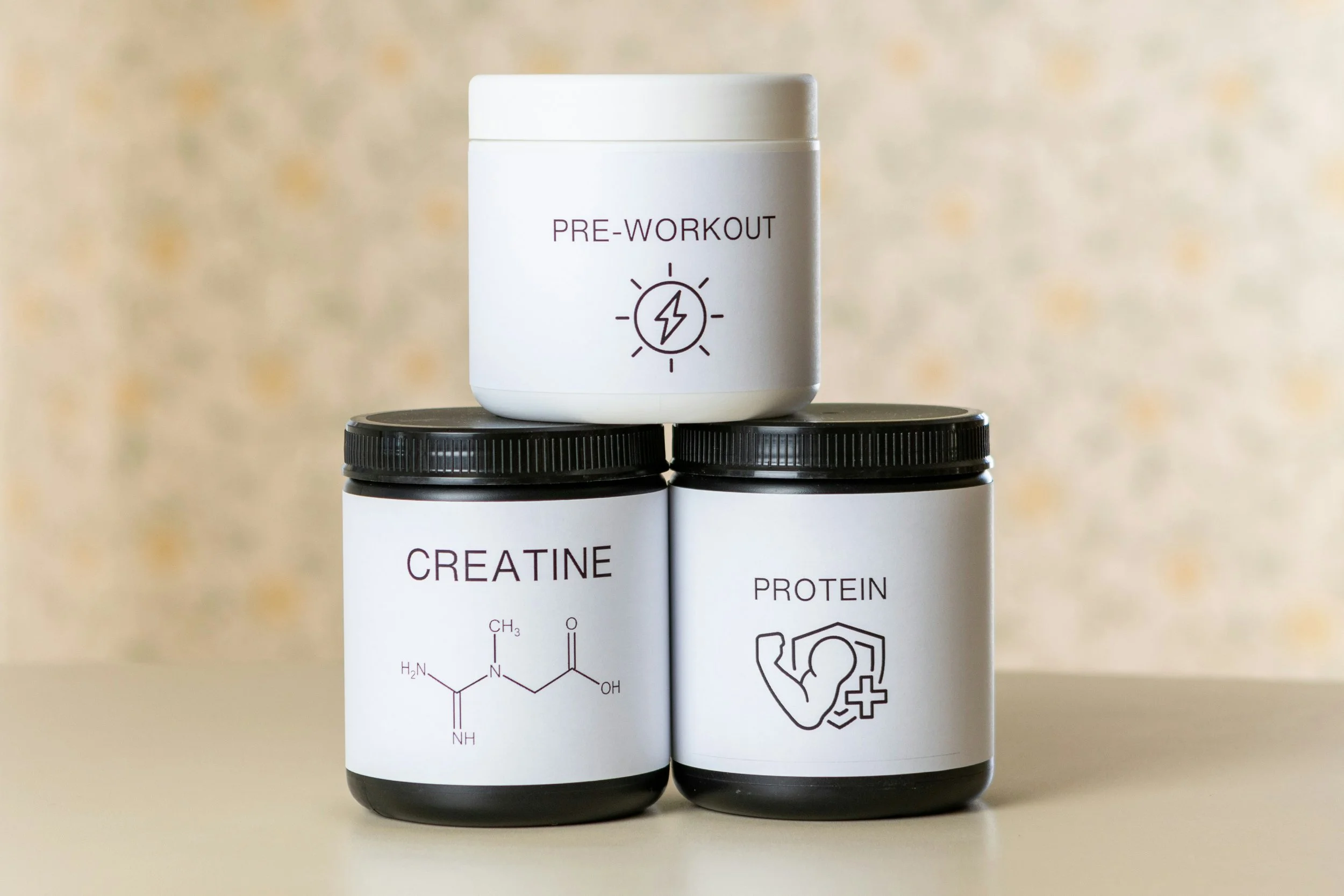
When you stroll through a grocery store, there always appears to be yet another high-protein snack, from chips and cookies to even protein cinnamon rolls! And in just a few years, high-protein alternatives have become a booming multibillion-dollar industry. Despite the marketing, the explosion of high-protein products reflects more of a cultural fixation than a genuine nutritional need, and it can distract from the broader habits that actually support long-term health.
At its core, self-care means responding to what our bodies genuinely need rather than chasing nutrition trends. Yet the rise of high-protein products reflects a growing tendency to entrust our understanding of wellness to specific labels rather than balance.
We Often Eat More Protein Than We Need
For clarity, some populations do have elevated protein needs, but these groups are the exception, not a specific rule. Athletes engaged in intense training and older adults working to preserve muscle mass will benefit from higher intake than the Recommended Dietary Allowance (RDA) baseline. Meanwhile, for the average American–a sedentary to moderately active person with no specialized physiological demands–the RDA guidelines for protein are 0.36 grams per pound. This baseline is designed to meet basic nutritional needs, yet modern culture has shifted from adequacy to excess, despite minimal scientific evidence that people benefit from consistently exceeding protein goals. Thus, the real issue is not a protein deficit, but the marketing infrastructure that has convinced the average adult that one exists.
High-protein diets are often framed as inherently healthier, and many high-protein snacks benefit from a health halo. A “health halo” occurs when companies use misleading tactics, such as buzzwords, images, or packaging colors, to make products appear more nutritious than they are. Research shows that when foods are perceived as “healthier”, people tend to eat 26–31% more of the product, regardless of its actual nutritional value.
In fact, most Americans already consume more than enough protein. Yet, the protein industry continues to grow, valued at US$5,856.4 million in 2025 and projected to grow at a compound annual growth rate of 9.4% through 2033. Americans already consume some of the highest amounts of meat in the world, so most people are not lacking protein to begin with. The sustained growth of this market, then, points less to a genuine nutritional gap and more to the power of marketing to manufacture demand, persuading consumers that more protein is always better, regardless of what their diets already contain.
What Supports Long-Term Wellness
Self-care is about long-term care for the body, so it must go beyond single nutrients or trending macros. Recent Dietary Guidelines for Americans emphasize eating balanced, whole-food diets instead of focusing on specific dietary goals. And one of the most overlooked components of that pattern is fiber.
Unlike protein, fiber is something most Americans do not get enough of. The United States has one of the highest rates of gastrointestinal issues, with more than 3 million Americans with Inflammatory Bowel Disease (IBD). Additionally, about 61% of Americans report experiencing at least one digestive symptom in a given week. High-fiber diets play a crucial role in preventing health conditions, yet they rarely receive the same attention or marketing as protein. Eating more fiber-rich foods like fruits, vegetables, legumes and whole grains can support digestion, stabilize energy and promote long-term health more effectively than many processed high-protein snacks.
Redefining Wellness Beyond Nutrition Trends
Instead of prioritizing high-protein snacks as a marker of health, a more meaningful approach is returning to balance. There are significant benefits to meeting fiber goals by exploring seasonal eating guides that support both nutrition and sustainability. Understanding the types of seasonal fruits and veggies encourages consumers to buy what is naturally ready and in surplus, becoming more cost-effective. Therefore, instead of relying on heavily marketed products to define what health should look like, understanding what is readily available is more efficient.
By rejecting restrictive diet mentalities and the constant monitoring of macros (like protein intake), intuitive eating also reduces the psychological burden of food-related decision fatigue and guilt. Research shows that intuitive eating is linked to lower stress levels and improved mental well-being. This shift can protect against disordered eating and has even been shown to reduce the odds of binge eating by up to 74%.
Ultimately, self-care emerges from a calmer, more intuitive relationship with food that is rooted in whole foods, seasonal abundance, adequate fiber and attentiveness to our bodies. The most valuable act of wellness may be to put down a protein cookie, pick up a piece of any seasonal fruit and remember that balance has been more powerful than yet another new dietary obsession.
Written by: Katherine Pfeizer
About the author: Katherine Pfeizer is an editorial staff member who follows current events and enjoys analyzing books and films, especially horror, thriller and classic literature. She is also an undergraduate at UC Davis pursuing a degree in Comparative Literature with a minor in Political Science and Education.
Tags: Nutrition, Healthy Lifestyle, Mindful Eating
Check out our social media for more resources:
Additional Reading

Why You Should Care About Food Waste


Food as a Language: How Food Speaks to Us
Walking Your Way to Wellness: Unveiling the Hidden Gem of Daily Strolls for the Mind, Body, and Soul
Leave a comment