A List of Recalls (And What They Mean for Food Safety)
Written By: Jacqueline Salazar Romo
Date: September 7th, 2026
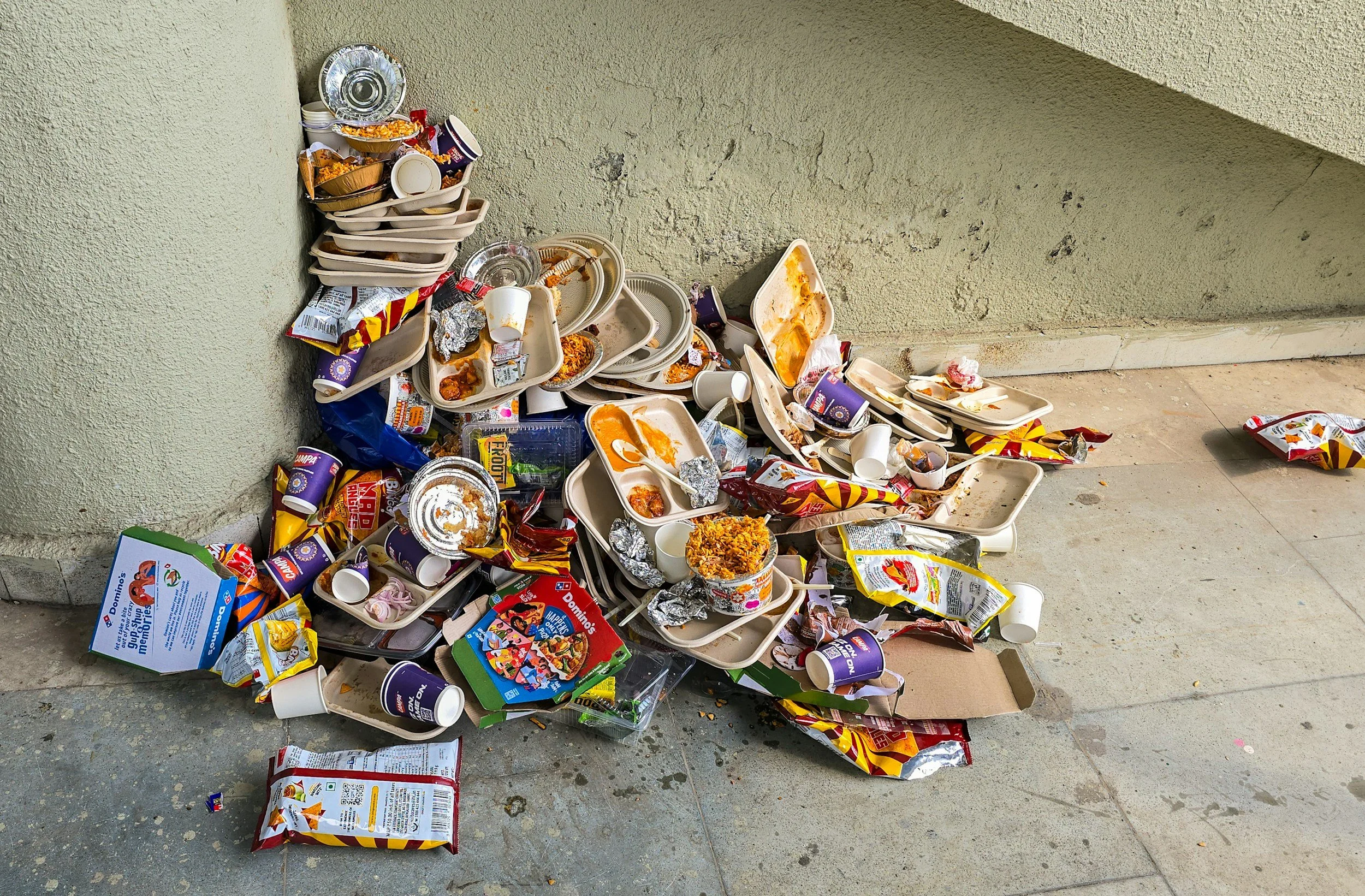
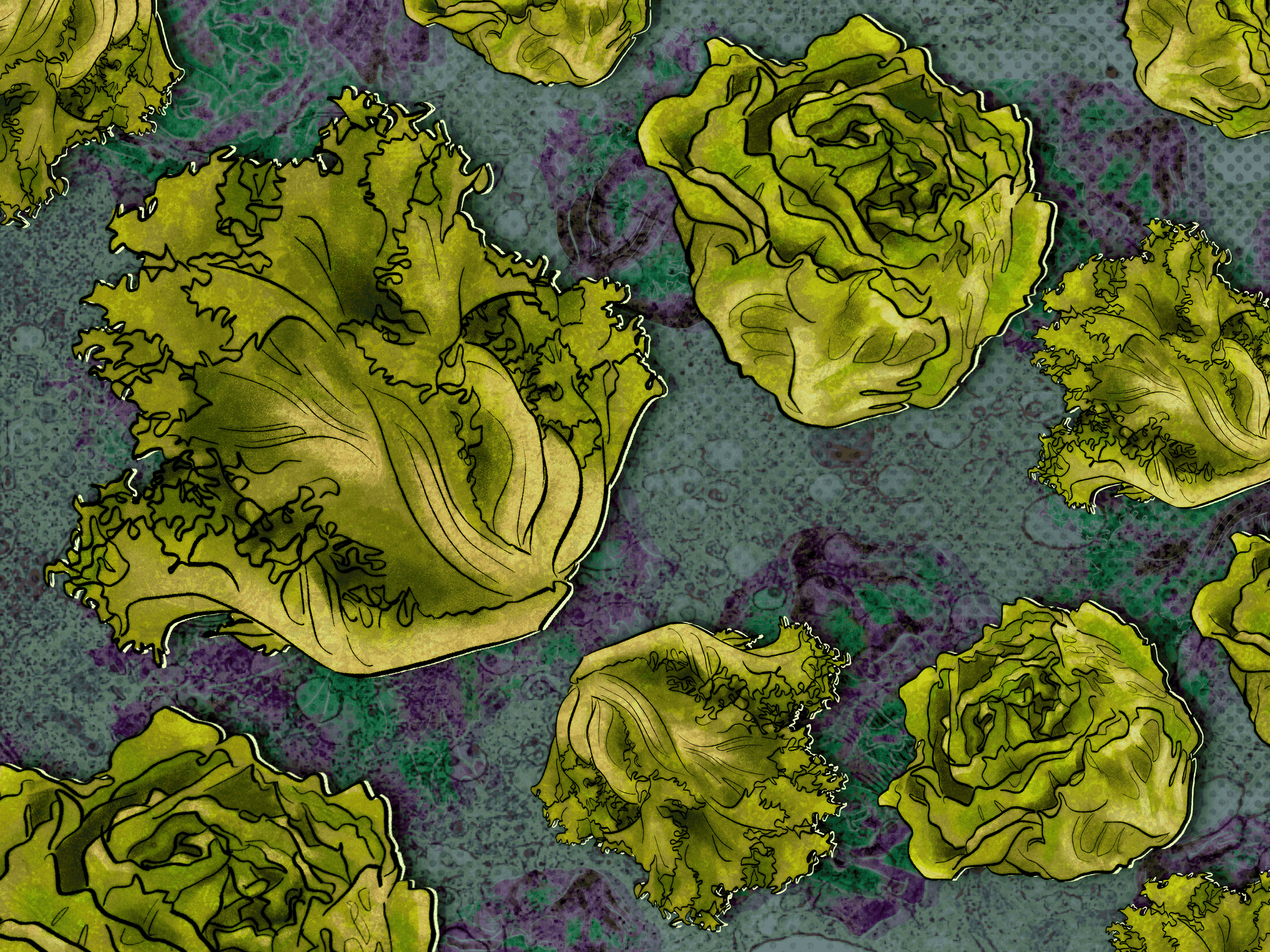
Zoshua Colah (@zoshuacolah) via UnsplashA little over a month ago, news about the Cyclospora parasite affecting iceberg lettuce products from Taylor Farms began circulating. Since then, information regarding cases of the intestinal infection cyclosporiasis has been sparse and slow to gain traction, buried under dozens more foodborne outbreaks and public health concerns. While some news outlets are normalizing these headlines by claiming that “Cyclospora season is ‘over’” (whatever that’s supposed to mean), other local sources report drastic increases in infections, both statewide and nationally. For instance, The Columbus Dispatch mentions that Ohio “saw a 47% increase in new cyclosporiasis cases” on September 3rd alone, and cases in the state of Michigan have climbed to over 14,700 as per state health officials and the U.S. News and World Report. And lately, it’s not only the lettuce that’s contaminated.
There have been over 200 recalls, safety alerts, or market withdrawals of FDA-regulated products alone throughout 2026, as per the FDA’s online tracker (and that’s not counting recalls tracked by other quality assurance and public health organizations like the USDA, which is responsible for reporting meat product recalls, or the CDC, which typically handles medical and drug products among others). Here is a small list of some of the most recent food categories we could gather with links to their respective recall notices (keep in mind, this list is still being updated and reflects data at the time of writing, from August 7th to September 7th):
Food/Beverages (excluding unprocessed fruits/vegetables)
Kofinas Garlic Mediterranean Infused Extra Virgin Olive Oil (LMSI LLC)– Contains garlic essential oil not approved for culinary use
Little Temptations Chocolatey Eyeballs (Crystal Temptations)– Undeclared milk
Outshine Fruit Bars (Dreyer's Grand Ice Cream, Inc.)– Potential foreign material contamination (glass)
Momchipz Veggie Chips (Exotique Foods Inc)– Undeclared wheat
Donutful Chocolate Dipped Vanilla Cake Donuts– Undeclared milk allergen
Jamie’s Spanish Village Jalapeño Ranch Dressing (Jaime’s Foods ATX)– Contains undeclared eggs
Prince Variety of Breads (Prince Bakery Inc.)– Undeclared milk and sesame
Potato Sourdough Bread (Grand Central Bakery)– Potential foreign material contamination (metal)
Salad Dressing (Salata Dressings, LLC.)– Potential salmonella contamination
Pico de gallo, stuffed mushrooms, soup mix (NatureBest Precut & Produce LLC)– Potential salmonella contamination
Granola (The Hampton Grocer, Inc.)– Potential salmonella contamination
Plant Based Snack (Frankie’s Organic Foods Inc.)– Undeclared milk
Finished products (ex: dips, salsa, guacamole, etc.) containing jalapeño (Whole Foods Market)– Potential salmonella contamination
Trader Joe’s finished products (ex: dips, salsa, guacamole, etc.) containing jalapeño (Taylor Fresh Foods)– Potential salmonella contamination
Food To Live Green Powder Products (Lexunder Inc.)– Potential salmonella contamination
Vitasia Chinese Style Spice Mix (Lidl US Trading)– Potential salmonella contamination
Fruits/Vegetables
Great Value Organic Triple Berry Blend (Frutas y Hortalizas del Sur S.A.)– Potential E. coli contamination
Martina Mangoes (Panorama Produce)– Potential salmonella contamination
Robust Radish Mix (Everything Sprouts LLC)– Potential salmonella/Shiga toxin-producing Escherichia coli (STEC) contamination
Alfalfa Sprouts (Everything Sprouts LLC)– Potential salmonella/Shiga toxin-producing Escherichia coli (STEC) contamination
Pet Food/Veterinary
Northwest Naturals Chicken Recipe (Northwest Naturals)– Potential contamination with Salmonella and/or Listeria monocytogenes
Shelter’s Choice and Breeder’s Edge Feline Milk Replacers (Revival Animal Health)– Low levels of potassium, copper, folic acid, choline and or vitamin B6
Fromm Wet Canned Dog Food (Fromm Family Foods LLC)– Potential foreign material contamination (metal)
Oma’s Pride Canine Food (Miller Foods, Inc.)– Salmonella contamination
Looking at this list, you may be wondering if it’s always been this bad. The short answer is that it hasn’t. The long answer? The degradation and defunding of consumer safety measures and systems like the FDA will continue to affect not only the companies behind these products, but also our nutrition, food confidence, and public health on a national level. Even more egregiously, this forced destabilization, scarcity, and food insecurity was actually a key objective listed within Project 2025—but that’ll need another article to expand upon, to come soon.
In simple terms, a recall is a voluntary action taken by an offending company to correct or remove a faulty or unregulated product from the market. These business manufacturers or consumer goods companies report their contaminated or defective product(s) to the Consumer Product Safety Commission (CPSC), the USDA Food Safety and Inspection Service (FSIS), or the aforementioned safety and public health organizations (ex: FDA, CDC), depending on the type of good/service. Consumers are also able to report unsafe products to most of these organizations through an online portal or via a phone call. This means that all the recall announcements you may have been seeing have been initiated by either reports from affected customers, or by the companies seeking to take accountability for violating food safety regulations. Recalls also vary in severity and urgency; thankfully, not all of them have the potential to trigger a foodborne outbreak the way Cyclospora has, or to fatally sicken consumers. But why does it feel like there’s been a greater number of recalled items in 2026?
If you have been surprised by the amount of recalls in the news, you are far from the only one. The New Republic agrees that, while it is unclear if this surge can be wholly attributed to more hazardous food or increased enforcement, Americans have been burdened with the stress of food safety concerns as the FDA tallied 46 recalls for August, including drug notices. Fortune likewise points out that consumers are losing confidence in the food safety systems that are meant to protect us from dangerous or unfit products and consumables. A survey commissioned by GS1 US (the global coordinating office that maintains product barcode standards) reveals that a staggering 94% of American adults “say they’re concerned about how frequently food is being recalled,” with more than 67% of consumers “[saying that] they’ve avoided an entire food category after a recall,” a statistic that’s up from 60% last year. And while the widespread jokes about outbreaks or the @FactPostNews Twitter account matching pictures of U.S. Secretary of Health and Human Services Robert F. Kennedy, Jr. to the color palettes of recalled foods are satisfying, they aren’t able to fulfill our nutritional needs. RFK Jr. is not the only culprit, but he is one of the spokespeople for the “Make America Healthy Again” slogan that the Trump Administration propagated during the 2024 Presidential campaign. All of this to say: is this really what “making America healthy” should look like?
Written by: Jacqueline Salazar Romo
About the Author: Jacqueline is an editorial staff member at NB who often explores the intersections of identity, belonging, and culture in relation to current events. Whenever she isn't writing, she enjoys art, fandom, and thinking too long about the past.
Foodborne Illnesses, Robert F. Kennedy, Jr., “Make America Healthy Again” Campaign
Check out our social media for more resources:
Additional Reading
Sources:
https://www.theatlantic.com/health/2026/09/foodborne-illness-recall-cyclospora-summer/688497/
https://fortune.com/2026/09/02/food-recalls-fda-americans-avoid-food-categories/
https://www.cpsc.gov/Business--Manufacturing/Recall-Guidance/How-to-Conduct-a-Recall
https://newrepublic.com/post/214946/food-recall-fda-list-august-skyrocket
https://www.factcheck.org/2026/08/kennedy-distorts-stat-in-celebrating-obesity-drop/

Leave a comment