
Smaller, Pricier, Worse: The New Economic Normal
Written By: Katherine Pfeizer
June 1st, 2026
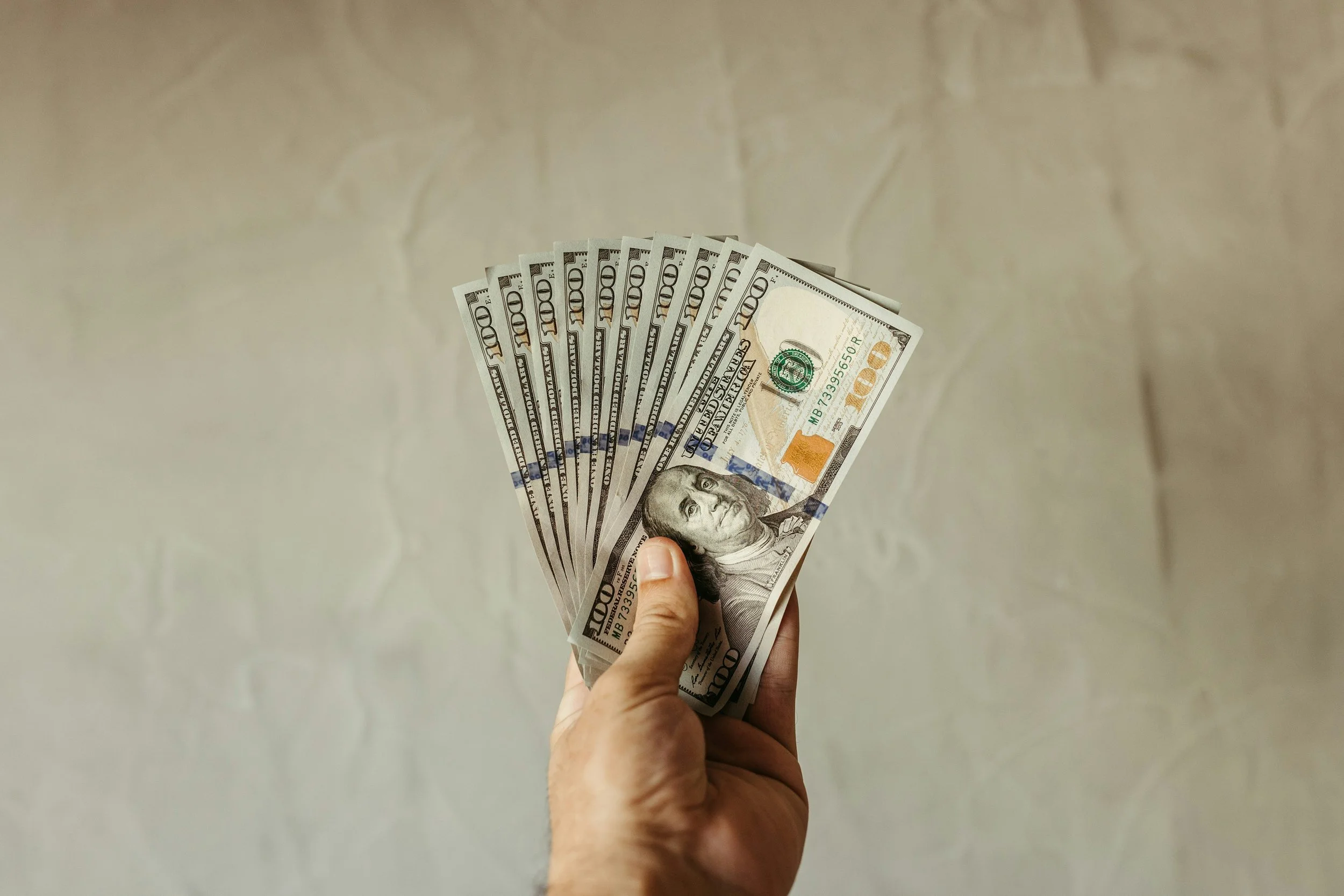
Photo by Jonathan Borba on UnsplashhHave you noticed that many products you buy are either more expensive, smaller or of lesser quality? If so, you’re not wrong. As prices rise and products become smaller and lower in quality, this emerging economic norm shows how modern U.S. policies and market conditions are affecting everyday consumers. And, at this point, we have to start asking why our politicians are letting corporations continuously raise prices, especially in hidden ways, and demand that they actually do something about it.
What is Happening Right Now
In the past couple of years, customers have noticed inflation, when product prices increase; shrinkflation, where package sizes shrink; and skimpflation, where manufacturers reduce product quality.
Some examples include:
Food products, notably ground beef, are experiencing inflation. Continuing data report from the Federal Reserve Bank of St. Louis shows that ground beef is $6.90 a pound as of April 2026. This reveals an approximately 81.6% increase from $3.80 a pound in April 2016.
Household paper products, particularly paper towels, are experiencing shrinkflation. A GAO report confirmed that paper products are undergoing the highest shrinkflation to inflation. Repeatedly, downsized paper towels alone carry a per-unit price premium of approximately 11.6% over their non-shrunk counterparts.
Textile products for clothing are experiencing a form of skimpflation. Margaret Bishop, a textile development professor at the Fashion Institute of Technology, demonstrated to NBC News that there has been a significant and documented reduction in fabric quality across major brands. A trend that has intensified since pandemic recovery, as manufacturers cut material costs to compete with fast fashion.
Core Economic Pressures from U.S. Policy
These root causes include, but are not limited to, increased government spending, supply chain disruptions, and shareholder pressure to maintain corporations’ record-breaking profits.
Persistent high government spending and large federal deficits influence inflation by increasing aggregate demand. This includes effects from the passed 2025 Reconciliation Act (One Big Beautiful Bill Act). This bill increased federal borrowing to an estimated $4.1 trillion through 2034. This new debt in the economy increases aggregate demand and drives up inflation. So, to manage this massive influx of national debt, the Federal Reserve is forced to maintain higher interest rates, which causes the cost of borrowing for businesses to rise over time. This then burdens us, the everyday people, by making the products we buy constantly more expensive.
Likewise, ongoing supply chain disruptions, such as tariffs and energy demands, increase product prices. The Trump administration’s aggressive tariff policies in 2025 were found to increase product prices, as a Federal Reserve study found that they raised core goods prices by 3.1% and accounted for the entirety of excess goods inflation since January 2025. Additionally, AI data center energy demand is straining power grids and driving up operational costs across industries, increasing product prices. Therefore, these costs move through supply chains and land on us, the consumer, when we buy products.
At the same time, shareholder primacy for consistent profit margins keeps products more expensive, smaller, or lower-quality. As companies prioritize returns to investors through stock buybacks, dividends and earnings growth, S&P 500 companies returned a record $1.6 trillion to shareholders in 2024 alone. This is money that could have offset rising production costs rather than shrinking the products we depend on. This pressure is also rooted in legal norms like Dodge v. Ford Motor Co., which established that corporations are primarily run to maximize shareholder profits. Reinterpreting this doctrine will give companies freedom to prioritize long-term stability, product quality and consumer value over short-term investor returns.
These factors lead companies to use shrinkflation to protect or expand margins, passing the burden onto us, who depend on the everyday products like groceries, sanitary products and clothing these companies provide.
What Needs to Change
We need to demand political action to address this downward slope of our economy. This economic downturn will continue to affect our daily lives, with more expensive products, consistently reduced quantities and cheaper, less durable materials. This impacts our purchasing power, which, in turn, affects lower- and middle-income households the most by reducing the dollar's purchasing power. We also need stronger transparency rules that require companies to clearly disclose changes in package size and ingredients. So, policymakers should address root drivers like fiscal discipline, competition policy and targeted relief for essential goods.
So, reclaiming economic well-being requires both smarter individual habits and accountability at the policy level. Because until then, we American consumers will continue to pay more for less, turning mundane shopping into an economic struggle.
Written by: Katherine Pfeizer
Katherine Pfeizer is an editorial staff member who follows current events and enjoys analyzing books and films, especially horror, thriller and classic literature. She is also an undergraduate at UC Davis pursuing a degree in Comparative Literature with a minor in Political Science and Education.
U.S. Economic Policy, Fiscal Policy, Inflation
Check out our social media for more resources:
Additional Reading
Fascism 101: Analyzing Umberto Eco’s Steps Under
the Trump Administration

The Hidden Climate Cost of AI
Leave a comment