
The Current State of Women’s Reproductive Healthcare
Written By: Nicole Snook
Date: August 24th, 2026

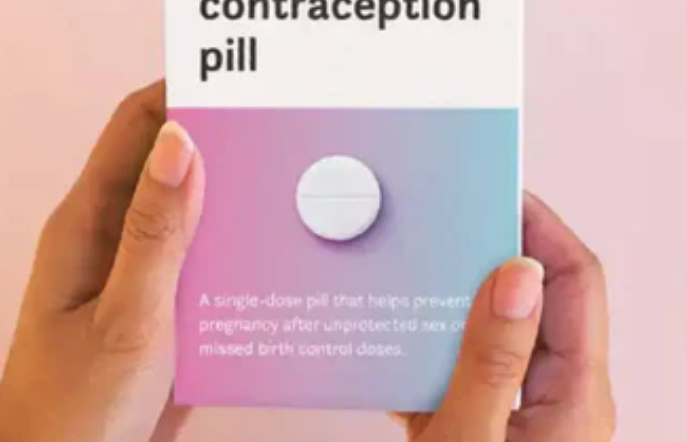
Reproductive Health Supplies Coalition via UnsplashIn June 2022, the U.S. Supreme Court overturned Roe v. Wade, a decision made in 1973 that legalized abortion nationwide. Since then, 13 states have completely banned abortion, with an additional 6 states having a gestational limit between 6–12 weeks. While this may seem like a decision that only affects abortion rights, the impacts stretch much further.
On January 9th, 2025, Congress introduced a bill restricting federal funding for Planned Parenthood and its affiliate clinics for one year. On July 4th, 2025, officials signed the One Big Beautiful Bill Act, federally defunding Planned Parenthood for one year. This made it difficult for millions of Americans on Medicaid to access affordable reproductive healthcare. This bill impacts more than just abortion access. Planned Parenthood offers a wide variety of services, including cancer screenings, STI testing and treatment, birth control, and gender-affirming care. Over half of Planned Parenthood patients use Medicaid, meaning millions of Americans can’t get the sexual and reproductive health care they need.
While the year-long funding freeze ended on July 4th, 2026, Planned Parenthood clinics are still feeling the impact. As of June 8th, 2026, 57 clinics across 20 states have shut down or combined with other care sites.
Mifepristone, commonly known as the “abortion pill,” is another essential part of reproductive healthcare facing increasing scrutiny. Mifepristone is an FDA-approved medication, used in combination with misoprostol to end an early pregnancy, however, it also plays an important role in miscarriage care. When a pregnancy is no longer viable before 13 weeks, mifepristone followed by misoprostol can be used to help the body pass the uterine lining without requiring a surgical procedure. Research has found that this combination is more effective than misoprostol alone, with patients who receive mifepristone less likely to require a subsequent uterine aspiration procedure. Limited access to this medication affects more than the people seeking abortion care, creating barriers for patients to receive adequate healthcare during early miscarriage.
Recently, the Trump administration canceled 53 out of 66 grants funding the Teen Pregnancy Prevention (TPP) Program, impacting over two dozen states. The current administration is defunding programs that don’t align with their focuses as the government prioritizes "traditional" values. The U.S. Department of Health and Human Services (HHS) has funded two new Notices of Funding Opportunity to replace the canceled grants. TPP funds must include “abstinence-only, ‘sexual risk avoidance’ education;” prohibit “gender ideology,” diversity, equity, and inclusion practices; and restrict talk about teen sexual activity. Research from the Society for Adolescent Health and Medicine shows that abstinence-only programs prove ineffective and unethical.
With all of these sweeping changes to sexual and reproductive healthcare, the Trump administration is pushing policies that limit family planning choices. By restricting access to birth control, abortion, and sexual education, they make it harder for women to decide if and when they want to become mothers.
To combat these financial hits, Planned Parenthood is now offering aesthetic care, such as injectable neurotoxins, dermal fillers, and sclerotherapy. The funds Planned Parenthood receives from these services help generate enough revenue from these services to keep clinics sustainable while they aren’t getting Medicaid reimbursements.
If you or someone you know is looking for reproductive healthcare, check out our Reproductive Healthcare Hub. Here, you’ll find information on your rights to different healthcare services, what to do if you don’t have insurance, national abortion resources, and state-by-state healthcare resources.
The Planned Parenthood website is another great resource for booking appointments for any sexual and reproductive healthcare you need. Even though these changes heavily impacted them, Planned Parenthood remains dedicated to providing Americans with the healthcare they need. Their website offers details on booking in-person or online appointments, scheduling an abortion based on state laws, and reviewing available services.
If you want to get more involved in the fight for universal access to sexual and reproductive healthcare, Planned Parenthood always needs new workers and volunteers. The Center for Reproductive Rights also has different ways you can get involved, including attending events, signing petitions, and donating funds. Reproductive Freedom for All is another great organization looking for volunteers. If you don’t feel comfortable helping in-person, they have many ways you can get involved virtually, including being a part of their online, texting, calling, or storytelling team.
Even though the state of sexual and reproductive healthcare is terrifying and only seems to keep getting worse, the fight is not over. Everyone deserves to have access to life-saving healthcare. Abortion is healthcare. Birth control is healthcare. Gender-affirming care is healthcare. Reproductive care is healthcare
Written by: Nicole Snook
About the author description: Nicole Snook is an editorial staff member and a student working towards her English degree with a minor in professional writing. She enjoys reading, horse back riding, and gaming.
Birth Control, Planned Parenthood, Trump Administration
Check out our social media for more resources:
Additional Reading


Sources
https://reproductiverights.org/resources/roe-v-wade/#u.s-supreme-court-takes-away-the-constitutional-right-to-abortion
https://www.kff.org/womens-health-policy/abortion-in-the-u-s-dashboard/
https://www.congress.gov/bill/119th-congress/house-bill/271/all-actions
https://www.plannedparenthood.org/blog/planned-parenthood-defunded-but-were-still-here
https://www.plannedparenthoodaction.org/community-action-fund-planned-parenthood-orange-and-san-bernardi/get-involved/defunding
https://www.kff.org/womens-health-policy/an-update-on-medicaid-title-x-and-planned-parenthood/?_sp=e08c130d-3dd5-4001-a7d1-757eacec8927.1787078964070
https://www.mayoclinic.org/drugs-supplements/mifepristone-oral-route/description/drg-20067123
https://pmc.ncbi.nlm.nih.gov/articles/PMC7403257/
https://stateline.org/2026/06/26/federal-health-agency-cancels-most-of-its-teen-pregnancy-prevention-grants/
https://www.k12dive.com/news/trump-administration-targets-teen-pregnancy-prevention-grants/827001/ https://democracyforward.org/wp-content/uploads/2026/07/1-Complaint.pdf?_sp=9375bd95-b1f9-41ab-8781-6bf33f5a4892.1786998696210
https://www.jahonline.org/article/S1054-139X(17)30297-5/fulltext
https://www.plannedparenthood.org/planned-parenthood-mar-monte/patient-resources/services
https://necessarybehavior.com/reproductive-healthcare-hub
https://www.plannedparenthood.org/
https://www.plannedparenthood.org/get-involved/jobs-and-volunteering
https://reproductiverights.org/get-involved/
https://reproductivefreedomforall.org/volunteer-with-reproductive-freedom-for-all/
Necessary Behavior founder, Zoe Waters
Leave a comment