
The Truth About Genetically Modified Food: How GMOs Benefit Our Society
Written By: Nicole Snook
Date: July 8th, 2026
When you think of food that has been genetically modified, what images come to your head? Do you think of a scientist injecting cows with a dangerous hormone? Vegetables that have been tampered with in a way that could harm your health? The idea of genetically modified organisms (GMOs) can be scary, especially when you don’t know exactly what that means. With the rise of “clean” living, almond moms, and trad wives, there has also been an increase in the fear and misinformation surrounding GMOs. Starting from the beginning, we can clear up some of these myths to help dispel any fear you may have towards eating GMOs.
GMOs refer to any type of organism whose DNA has been changed through genetic engineering technology. Through this scientific intervention, we are able to improve crops’ growth, nutritional content, sustainability, pest resistance, and ease of farming. These changes have been helping society keep up with food demands, allowing us to stay well fed.
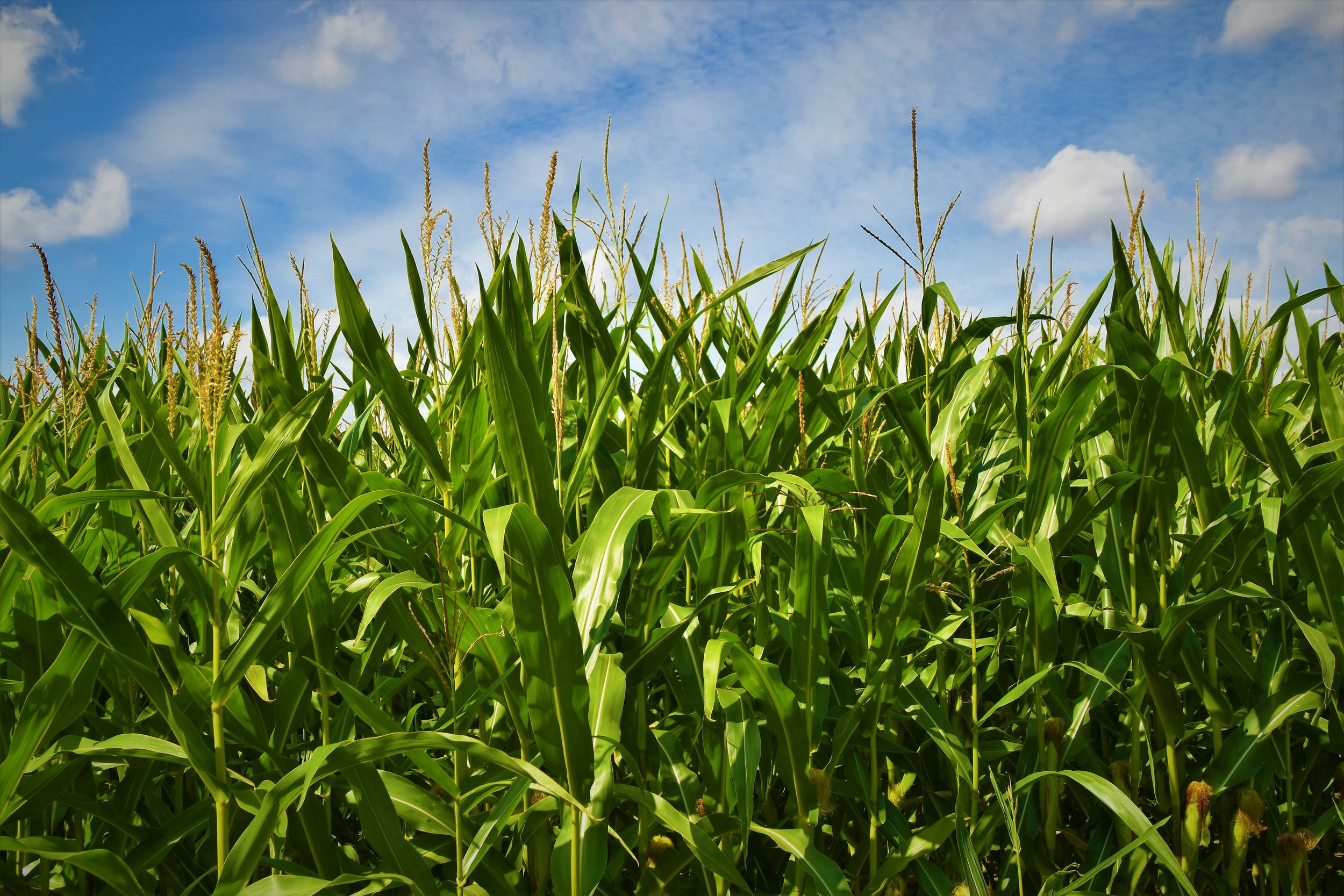
For thousands of years, humans have done some form of genetically modifying their food. Before the scientific enhancements we have today, this was done through selective breeding. For example, corn originates from a tall branching grass called teosinte. When humans domesticated teosinte around 7,000 BCE in Southern Mexico, they began to selectively breed it to make it a more viable crop to use for food. This process eventually led to the corn that we know today, which does not closely resemble its original ancestor because of the careful selection and refinement farmers did over thousands of years. While this is not exactly the same as the genetically modified crops, it demonstrates that the concept of choosing desirable traits for our food has been around for thousands and thousands of years.
If selectively breeding crops was working so well before, you may be wondering why we switched to genetically modifying our food. Why try to fix a process that has been working for so long? The reality is that selectively breeding crops to get the best traits takes many generations. By genetically modifying our food, the process is extremely sped up, allowing us to improve our crops over a shorter period of time. We are also able to directly address issues in the farming industry rather than waiting many years to solve them.
In fact, did you know that the majority of the corn grown in the United States are GMOs? GMO corn is designed to resist pests that are able to tolerate herbicides. This genetically modified corn is called Bacillus thuringiensis, and it produces a protein that is toxic to certain pests but not to humans and animals. The protein used is the same one that would be used in pesticides, meaning it does not harm helpful insects, such as ladybugs. Since the corn itself is producing these proteins, the need for spraying insecticides is reduced. This GMO corn can be found in some processed food and drinks, but a majority of it is used to feed livestock.
Another example of how GMOs are used to directly address food problems is the development of golden rice. Golden rice is a strain of rice that has been modified to contain higher levels of vitamin A in order to help developing nations with vitamin A deficiencies. Some countries in Asia, such as the Philippines and Bangladesh, struggle with vision loss and illness because of vitamin A deficiencies. Since rice is commonly consumed in many of these areas, scientists developed golden rice to combat these issues. Despite its benefits, there are still many oppositions to golden rice. The Philippines' government originally approved golden rice for consumption in 2021, but recently the Philippine Court of Appeals revoked this permit, claiming that there is not enough scientific evidence that the rice is safe to eat. Bangladesh, a country that struggles with childhood blindness, is now on the path to becoming the first country to approve golden rice for planting.
One of the common misconceptions surrounding GMOs is that since their DNA is genetically modified, it will in turn modify our DNA and cause cancer. Both the FDA and the American Cancer Society have determined that consuming GMOs does not increase a person’s risk for cancer or change their DNA. Consuming GMOs may actually benefit our health by providing us with more nutrients while also increasing farmers’ crop yield.
Another common misconception about GMOs is that they increase the chance of a person having an allergic reaction to the food because the genes present in these genetically modified foods are foreign to the body. The FDA explains that researchers creating genetically modified crops ensure that allergens are not being transferred from one food to the next. A person that is allergic to peanuts would have the same allergic reaction when consuming a GMO peanut and an organic peanut. The allergy is determined by the body’s reaction to the food itself, not by whether it has been genetically modified or not.
Many also believe that organic, non-GMO foods are safer for consumption compared to food that has been genetically modified. If a food is labeled as organic, it means that the farming process did not use human-made pesticides and fertilizer prepared with human-made ingredients. It also means that the food was not genetically modified. While the other two things may be good for our health, a food with the non-GMO label does not automatically make it better for you. On average, organic foods cost 20% to 50% more than regular foods. If you are struggling with these high grocery costs and find yourself worrying about buying foods that are organic, just know that buying GMOs has the same impact on your health that non-GMOs do. If anything, genetically modified food may be slightly better because of potential nutritional additives and the lack of pesticides.
The truth is that GMOs are completely safe to consume and are actually helping our society with nutritional deficiencies, hunger problems, and other issues surrounding food insecurity. Next time you see a food that is proudly labeled as non-GMO, remember that does not necessarily mean that it is better for your health.
Waldemar Brandt via Unsplash Written by: Nicole Snook
About the author description: Nicole Snook is an editorial staff member and a student working towards her English degree with a minor in professional writing. She enjoys reading, horse back riding, and gaming.
Genetically Modified Crops, Food Insecurity, GMOs
Check out our social media for more resources:
Additional Reading


Leave a comment