
Using Cartoons (and Other Children’s Media) to Broaden Your Thinking
Written by: Rhilynn Horner
November 6th 2025
“Everything repeats over and over again. No one learns anything, because no one lives long enough to see the pattern.” Marceline from Adventure Time, “Stakes Pt. VII: Checkmate”
Societal reflection, or the collective process of reviewing our shared values, beliefs, and lifestyles, is a key tool our society uses to work towards a better future for ourselves and future generations. One key way we do this is by looking at media: literature, film, even music—these creative arts are deeply intertwined and reflective of a society’s values, culture, and history. In fact, it’s a big reason why your English classes constantly stress skills in reading comprehension and critical thinking. However, when you think back to all those analytical English essays and research-based writing assignments, there’s probably one media category you never even considered looking at: children’s media.
You might think children’s media is simple and, well, too childish for any kind of deep analysis of society. In reality, it is a cultural and social tool that has a conscious role in shaping children’s values—a purpose that reveals what adult society truly finds important through what they decide are the “rights” and the “wrongs” of the world. These works are the very foundation of our society, and by analyzing them critically instead of overlooking them, we will discover how they display the truths of a society’s cultural, social, and even political climate.
Children’s media is the mirror of the adult society that creates it, including all of its hopes, fears, and even prejudices. This means that what society chooses to show kids through these works, and what they choose NOT to show, uncovers a society’s collective priorities, or at least the loudest ones. Author and senior book critic at Time, Lev Grossman, describes the power that children’s media has as a bridge between children and adults, stating that “[Cartoons] give us in some ways a common language for talking about more important issues.” This is clear when you consider how the common “good vs. evil” narratives can control how future generations define what’s “good or bad.” Think of how cartoons have been used as either pro or anti-war propaganda, with Disney producing WWII cartoons, or Studio Ghibli’s themes of a pointless war in Howl’s Moving Castle [2005]—these works have a purpose of influencing younger minds and reflect the respective authors’ real-world beliefs: Disney’s clear pro-war stance with the Allied powers in WWII and Ghibli’s subtle anti-war criticism against the Iraq war beginning in 2003.
These influences don’t just stop at “good or bad,” but can also reveal what society considers “normal” or “other,” particularly socially and culturally, and it’s clear to see why proper representation and diversity in kids’ media is important. Imagine if all cartoons only featured white, male protagonists: the results would be kids growing up considering that as what’s “normal,” and would establish anyone else as the “other.” This lack of inclusivity only reinforces existing power structures through stereotypes and lack of education, and is why older Disney films had their content warnings readjusted to include racism (Lady and the Tramp’s [1955] two Siamese cats, Si and Am, or Peter Pan’s [1953] insensitive depiction of Native people are two well-known examples).
While our society has signaled a broader acceptance for diversity through increasing this representation with releases like Steven Universe (2013), Molly of Denali (2019), and Bluey (2018), it’s also a progression that’s recently been threatened by federal funding cuts of networks like PBS (and subsequently PBS Kids). These cuts point to the power these works have at societal change, but also reveal the side of our society that fears it. We can use this knowledge for that societal reflection I was talking about earlier, and target this area for social protection by supporting and advocating for the programs that encourage this early exposure for kids to learn empathy and inclusivity.
We may like to ignore or deny it, but everything is political in some capacity. This includes children’s media, which can reveal socio-political commentary and representation, and even uncover troubling facts of our own history. However, you now know why and how we can use children’s media as a reflective source of the core values a society is spreading at a given time, based on the values they share or don’t share. This knowledge will help you socially reflect on your own society and understand how to better it. So, as you watch these shows, allow yourself to ask questions: what values is this story promoting? What values does it seem to be missing, and why? Who is included or excluded? And, especially for older works, be curious about the time period it was produced in. Doing so will allow us to broaden our thinking and advocate for the progress we’re missing at the most fundamental level: shaping a more thoughtful and inclusive generation and improving our own society while we’re at it.
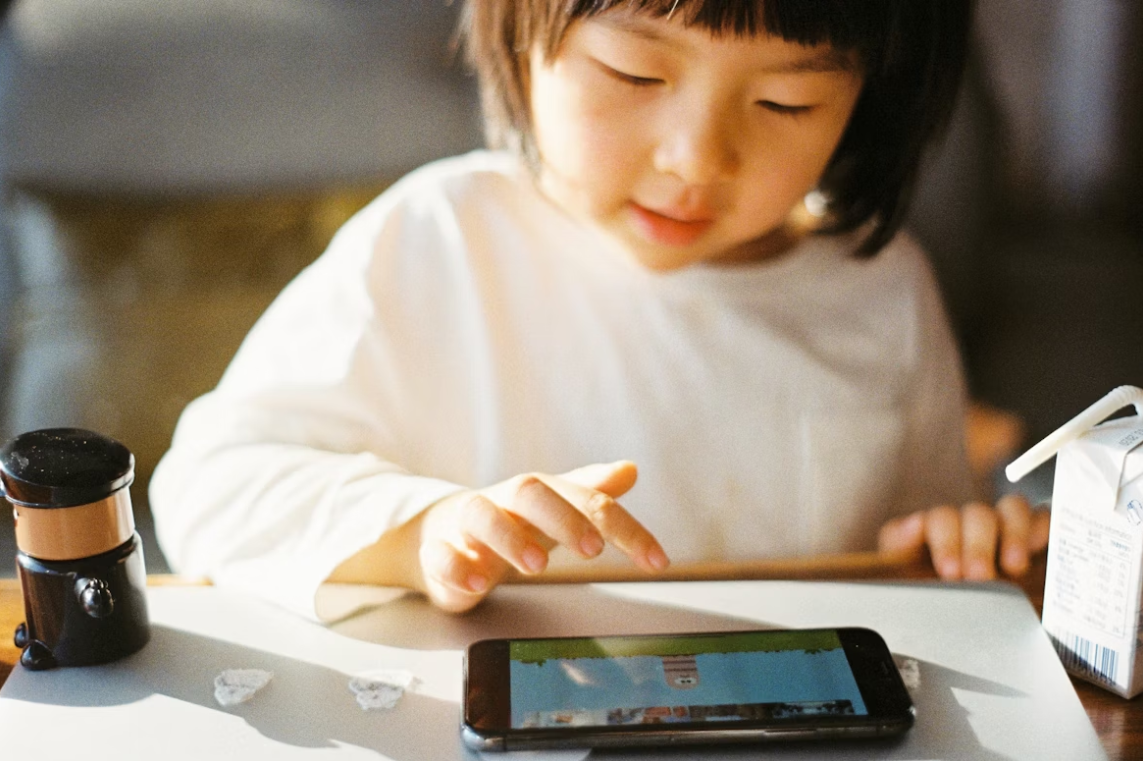
Zhenzhong Liu via UnsplashWritten by: Rhilynn Horner
About The Author: Rhilynn (She/Her) is an editorial intern and a graduate from UNC Chapel Hill with a degree in English & Comparative Literature. She loves to read and write on a variety of pop culture and social topics.
Children’s Media Analysis, Societal Reflection Through Media, Cartoons
Sources:
https://www.npr.org/2013/06/17/192385255/an-adventure-for-kids-and-maybe-for-their-parents-too
https://www.waltdisney.org/blog/disney-cartoons-become-propaganda
https://mediamilwaukee.com/home/howls-moving-castle-miyazaki-movie-review/
https://www.bbc.com/news/world-us-canada-54566087
https://www.wfyi.org/news/articles/indiana-public-media-stations-federal-funding-cuts-cpb
Additional Reading
Check out our social media for more resources:
Leave a comment