
What These Deadly Heatwaves Really Mean for Us
Written By: Katherine Pfeizer
Date: July 22nd, 2026
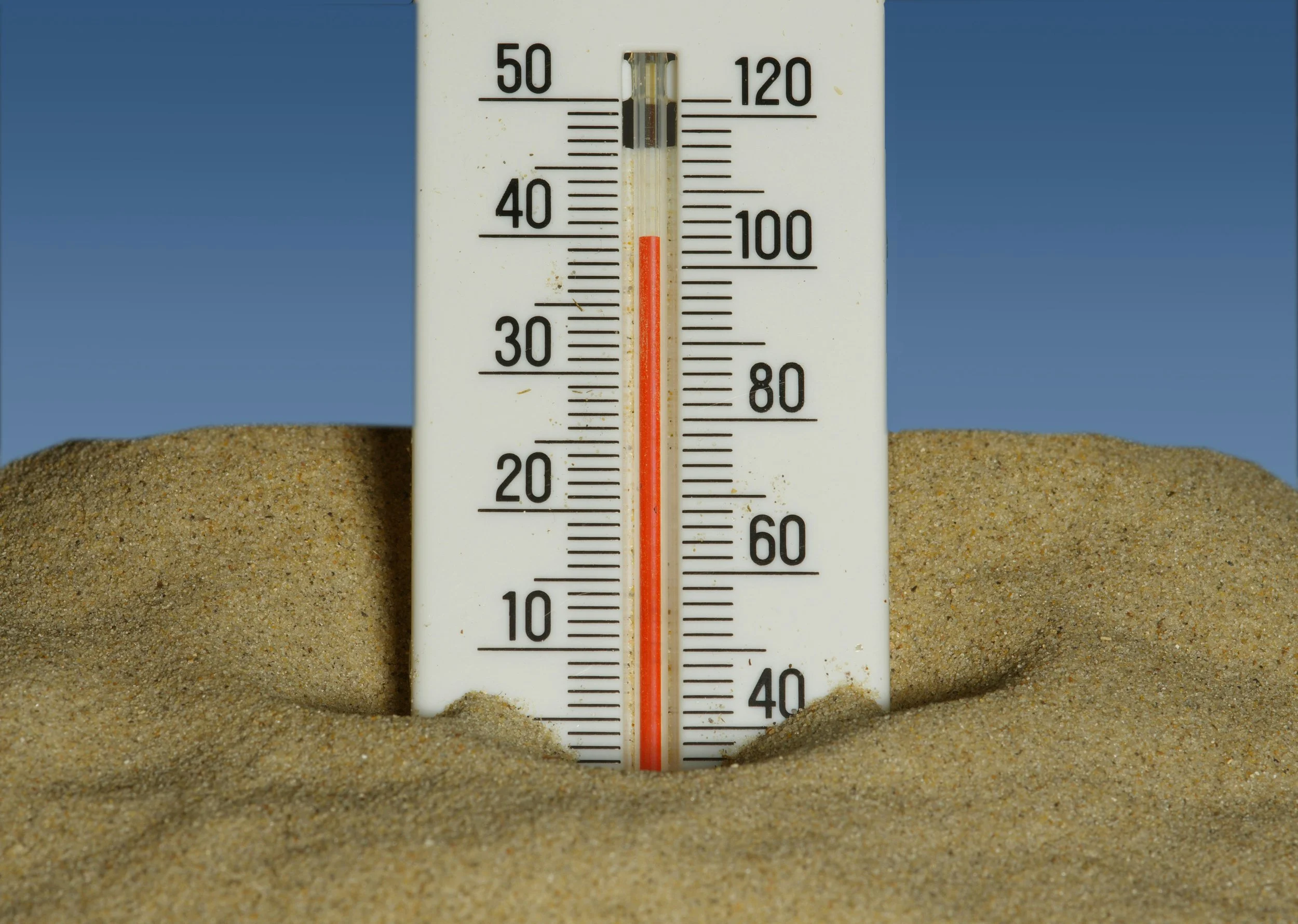
Photo by Immo Wegmann on Unsplash If you feel like every region on this planet is breaking a heat record, that’s because they are. Extreme heat is more dangerous than people realize because heat doesn’t destroy houses, shatter windows, or flood streets. This allows its deadly toll to remain out of sight. So, here is what’s happening around the world right now, and what to know to stay safe if this recent heat wave reaches you.
North America
North America currently has over 100 million people under heat alerts. Heat domes, masses of high-pressure air that trap hot, dry air over an area, have settled across the West. For example, in the United States, Billings, Montana, hit 111°F (43.9°C) on July 12th, 2026. This sets a record high for the city, destroying the previous record of 108°F (42.2°C set in July 2002.
Likewise, wildfire smoke drifting down from Canada, where the same system brought flooding and left thousands without power, has pushed air quality into unhealthy territory across the Midwest and Northeast.
Europe
Europe has been the hardest-hit continent so far with heatwaves, and is bracing for its third. In Western Europe, France, Belgium, and the Netherlands, this heatwave is recording over 3,700 excess deaths. The WHO’s regional director for Europe cautioned this month that the region likely has not seen the worst of this heat season yet, as France and the Benelux region brace for continued heat in the coming days.
Even in Southern Europe, Spain and Portugal are facing similar conditions. WHO expects highs near 43°C (109.4°F) to return to the Iberian Peninsula this month. This is not far off the roughly 44°C (111.2°F) both countries reached in June, when Pinhão in Portugal and Andújar in Spain each logged the season’s highest readings near 42.7°C.
Africa
Africa’s current heatwave is in the north. Morocco has been under heat alerts since late June, with temperatures reaching 48°C (118.4) in southern and Saharan provinces. But its health ministry reported zero deaths as of early July.
However, Algeria has not been as fortunate, as that same heat has fueled nearly 1,000 wildfires in a single week across the country's north. A fire that broke out at an orphanage outside Algiers during the crisis killed at least 11 people. Most of them were children, with a municipal firefighter also killed.
Asia
Asia is facing extreme heat on two fronts at once. Across the Middle East, daytime temperatures have climbed to between 46°C (114.8) and 51°C (123.8°F) in Iraq, Iran, Kuwait, and Saudi Arabia. And, since mid-May, Kuwait's Jahra governorate has logged more than a week straight above 50°C (122°F). This is the most extreme sustained heat recorded anywhere this summer.
The same mass of hot air has pushed into Central Asia and South Asia. Uzbekistan’s weather service warned of highs up to 46°C (114.8°F) and accompanying dust storms. Meanwhile, officials in Pakistan say Sindh province could reach temperatures as high as 51°C (123.8°F).
And further east, Japan is facing its highest number of heatstroke alerts so far this year, with the Japan Meteorological Agency and Environment Ministry issuing warnings for 17 prefectures, and parts of western Japan are forecast to reach above 38°C (102.2°F) this week.
South America
Meanwhile, South America is currently in the midst of winter in the Southern Hemisphere, but regions are already experiencing unusual and, in some cases, record-breaking heat. These anomalies are linked to the development of a powerful “super” El Niño event that emerged in 2026. Climatologists warn that, due to the delayed atmospheric and oceanic effects of El Niño, temperatures are likely to intensify further in the coming months, potentially making 2027 one of the hottest years on record globally.
Oceania
Like South America, most of Oceania is in the Southern Hemisphere. Yet, despite winter across Australia, it could be one of its warmest winters on record. Nevertheless, scientists continue to point to the same underlying warming trend driven by a potentially record-breaking El Niño event. This phenomenon is closely associated with rising global temperatures and could become one of the strongest on record, according to Australia’s Bureau of Meteorology.
Why This Keeps Happening
This uptick in heatwaves and global temperatures keeps happening due to heat domes, which are ridges of high pressure that block clouds and trap heat near the ground. This is becoming more frequent and intense as the climate warms, and they are increasingly overlapping across continents rather than hitting one region at a time. A heat dome also deepens drought, fuels wildfires and, as the U.S. is seeing this month, drags smoke and unhealthy air hundreds of miles from the fires themselves, which is why wildfire smoke in Canada can still affect your lungs in New York.
How to Read Warnings
From heat advisories to extreme heat warnings, these warnings do not mean the same thing. A heat advisory means dangerous heat is possible and you should take precautions. An extreme heat watch warning means it is happening or imminent and you should actively change your plans.
Correspondingly, air quality alerts follow a similar scale, progressing from good to moderate, then unhealthy, very unhealthy, and hazardous. Once an area reaches unhealthy, limit time outside and at very unhealthy or hazardous, avoid outdoor exertion altogether.
For researching heat waves for the United States, you can use historical and current city heat risk trends using the USA TODAY Heat Index Tool.Likewise, you can track both through the National Weather Service and AirNow before heading outside.
How to Stay Safe
Staying safe first requires understanding medical emergencies. For example, heat exhaustion and heat stroke are not the same. Heat exhaustion causes heavy sweating, clammy skin, dizziness, nausea, and improves when you cool down and drink water. Meanwhile, heat stroke is a medical emergency, marked by hot, dry skin, confusion, and a rapid pulse. It requires calling your emergency telephone number immediately.
All in all, you can stay safe by drinking water regularly, avoiding peak afternoon heat and never leaving people or pets in parked cars. Check on vulnerable neighbors and know where your nearest cooling center is. Heat waves do not stay confined to one country. Therefore, staying informed and taking proper precautions helps ensure you are prepared to face extreme heat safely and effectively.
Written by: Katherine Pfeizer
Katherine Pfeizer is an editorial staff member who follows current events and enjoys analyzing books and films, especially horror, thriller and classic literature. She is also an undergraduate at UC Davis pursuing a degree in Comparative Literature with a minor in Political Science and Education.
Heat Domes, Heat Safety, Extreme Weather
Check out our social media for more resources:
Additional Reading

Leave a comment