Who Owns Your Book? Copyright, Contracts, and Privacy for Independent Writers
Written By: Qinghe Wang
Date: October 5th, 2026

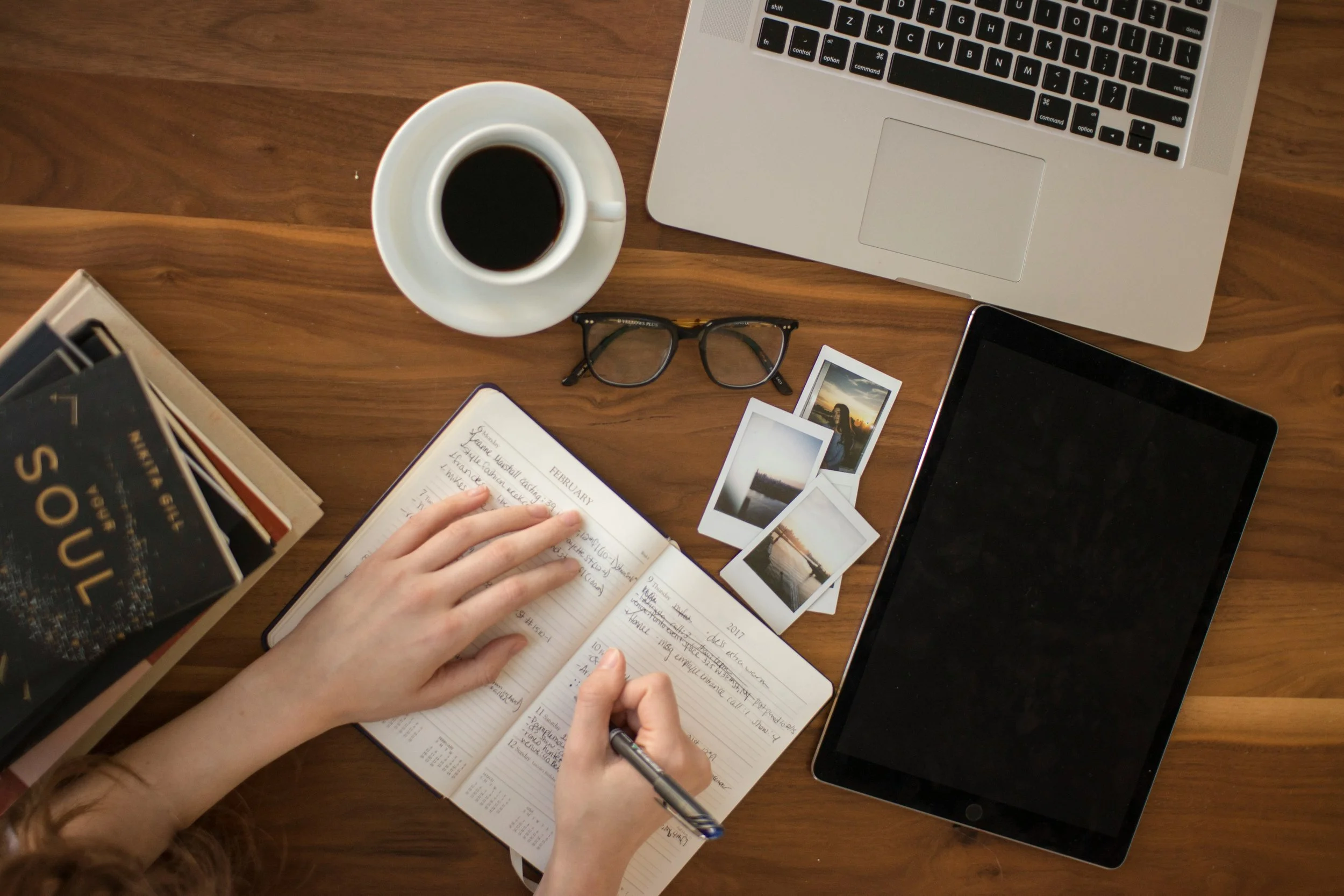
Photo by Amina Atar on Unsplash
You can make money from your writing in several ways. You may publish an e-book, sell print copies, release an audiobook, license your work, or earn money through subscriptions. Each option involves different rights and agreements, so it’s important to understand who owns your work, what rights you give other people, and how much personal information you want to share.
I started looking into these questions because someone close to me signed a publishing contract without fully understanding what the agreement would mean for his work. He wanted to publish his book quickly and believed that publishing it would help establish that the work was his.
Years later, we were still trying to figure out basic questions about the contract and how the book was being handled. It was an upsetting experience, and at one point, we were considering whether to take the issue to court.
That's why I'm writing this article. I want other authors to know what to look for before they sign a contract, so they can better protect their work, their rights, and their privacy.
Who Owns Your Work
When you write an original book, the first question is: who owns it?
Copyright is a legal protection for original creative works, such as books, articles, music, photographs, and artwork. In many places, copyright protection begins when you create an eligible work. Depending on where you live, registering your copyright may also provide additional legal benefits.
For a writer, copyright generally gives the owner rights over things such as making copies of the work, distributing it, displaying or performing it, creating adaptations, and authorizing others to do these things.
Suppose a publisher, platform, or another company wants permission to use your book. You don't necessarily have to give them ownership of your copyright. Instead, you can grant a license, which is permission to use certain rights while you keep ownership.
For example, you might give a publishing platform permission to distribute your e-book while keeping your copyright. The important part is to read what that permission actually covers. Check what the company can do with your work, where they can use it, how long they can use it, and whether they can give those rights to someone else.
The license may be non-exclusive or exclusive. A non-exclusive license generally means you can give the same rights to more than one person or company. For example, you might let one platform distribute your book while also selling the rights to it through another platform.
An exclusive license is different. It gives one party exclusive permission to use certain rights within the limits of the agreement. If you give a publisher exclusive rights to distribute your book in a particular format or country, you may not be able to give those same rights to someone else during the agreement.
So when you see the word exclusive, don't just ask, "Who can use my book?" Ask which rights are exclusive, where the exclusivity applies, and how long it lasts.
An assignment is different from a license. When you make an assignment, you can transfer ownership of certain rights to someone else. With a license, you generally permit someone to use those rights while keeping ownership yourself.
You may also see the word sublicense in a contract. A sublicense allows someone who received rights from you to give certain rights to another party. For example, a publishing platform may need to let a distributor or retailer use your book so it can sell it to readers.
Before signing, look for words such as "license," "exclusive," "assign," "transfer," and "sublicense." Don't assume that giving someone permission to use your book means you've given them ownership of it—or assume that you can still control rights you've transferred away.
The important thing is to understand what you own, what you're giving someone permission to use, and what you're actually transferring.
Before You Sign
Once you know the difference between ownership, licenses, and assignments, the next step is to look at exactly what the contract covers.
A publisher or platform may not simply ask for the right to publish your book. The agreement might also cover other ways of using the work, such as producing an audiobook, adapting it for film or television, translating it, or selling it in other countries.
A contract might use terms such as audiobook rights, film rights, television rights, streaming rights, adaptation rights, or dramatic rights. If an agreement covers these rights, check whether they're exclusive, who can use them, and how long the permission lasts.
Your contract may also cover translation and foreign rights. Translation rights cover translating your work into another language, while foreign rights can concern using or selling your work in other countries. Check which languages and countries are included instead of assuming that all of your international rights are covered in the same way.
Pay attention to future works, too. Some contracts address sequels, prequels, spin-offs, characters, or other works you create later. Before signing, check whether the agreement applies only to the book you're publishing now or if it could affect future projects.
Then look at what happens when the agreement ends. A rights reversion clause explains when certain rights can return to you. For example, a contract might say that rights return to you if a publisher stops distributing your book or fails to meet specific requirements. The exact rules depend on the contract, so look for clear conditions rather than assuming your rights will automatically come back.
Finally, check the contract duration. Some agreements have a specific end date, while others continue until something happens or someone takes steps to end them. Find out whether you need to give notice, wait a certain period, or allow existing copies to continue being sold after the contract ends.
The goal is to understand what you're agreeing to before you sign: which rights you're keeping, which rights you're giving someone else, how those rights can be used, and when you can get them back.
Protecting Your Privacy
Protecting your writing isn't the only privacy issue you should think about. As an independent writer, you may also need to decide how much of your identity, your readers' information, and your business details you want to make public.
When you create an author profile, you don't necessarily have to use your everyday identity. A pen name can help you keep your writing separate from your personal life. You might use one because you prefer it, want more privacy, or write in a different genre.
A pen name doesn't make you completely anonymous, though. A publisher, payment service, or other business may still need your legal name for private records. What matters is knowing what information you need to provide privately and what information will appear publicly.
Before you create an author profile, check what readers will actually see. You may be asked to provide your name, location, email address, or social media accounts. If you don't need to make that information public, consider keeping your author identity separate from your personal identity.
You should also think about how much information you want to share about your writing business. Some writers publicly share their subscriber numbers, sales, or income. Others keep those details private. Before making business information public, consider whether you actually need to share it and whether you're comfortable with people knowing it.
The goal isn't to hide everything. It's to decide what you want to share, who needs access, and what you want to keep private.
Whether you're publishing, licensing, or selling your work, knowing your rights can help you make decisions. It can help you protect your ownership, understand your contracts, and be careful about what personal and business information you share.
Written by: Qinghe Wang
About the author description: Qinghe Wang is an editorial intern and a recent graduate of the University of California, Davis, where she earned a bachelor’s degree in philosophy, with a minor in Writing.
Copyright, Publishing Contracts, Author Privacy
Check out our social media for more resources:
Additional Reading


Leave a comment