
Why You Should Think Twice Before Getting Your Child a Pet
Written By: Qinghe Wang
Date: June 15th, 2026
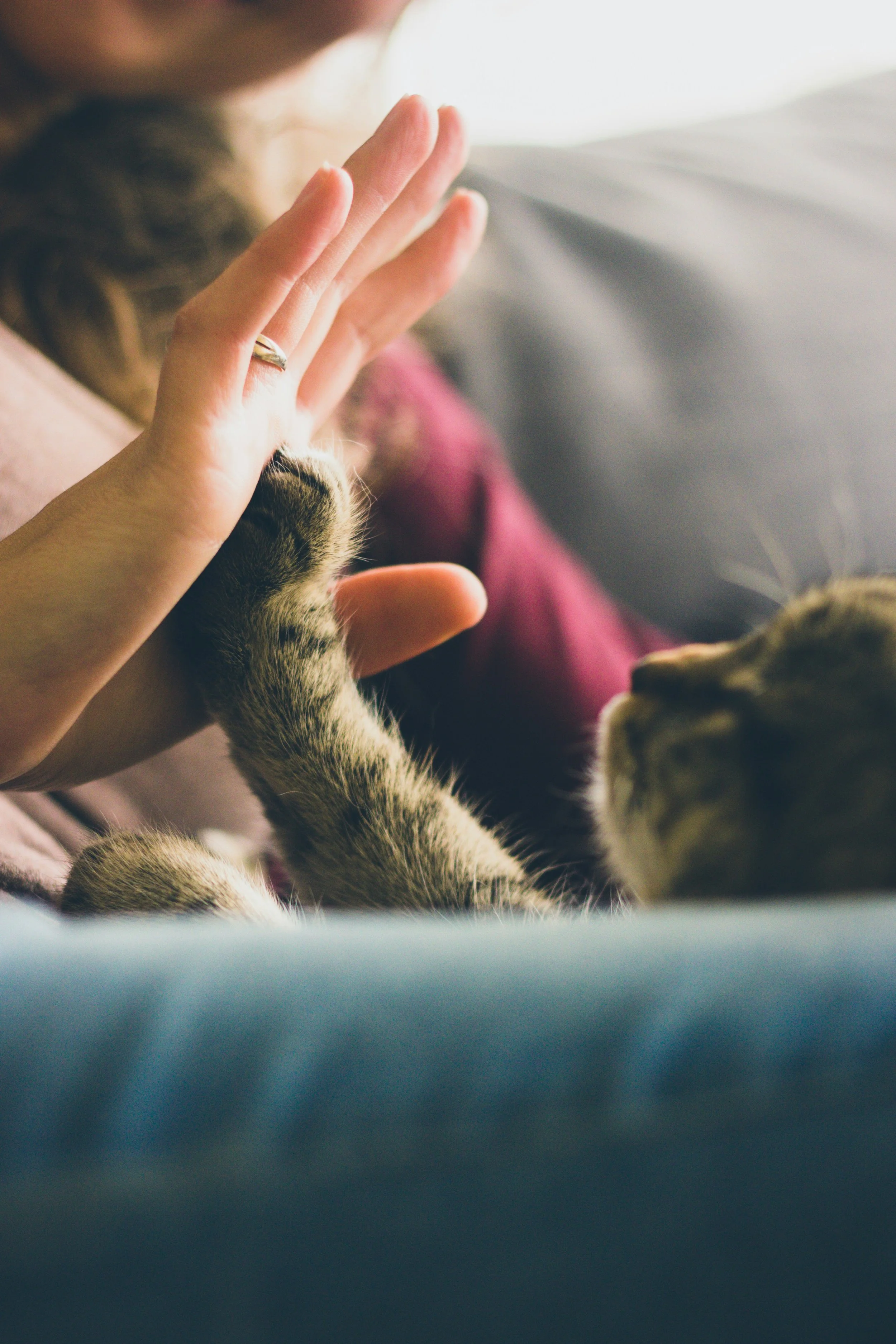
Photo by Jonas Vincent on UnsplashTo this day, there are still many families that took pets home because their child thought they were “cute” at the moment, and regretted it afterward.
Many parents claimed that they bought a pet because they would like their children to learn responsibility. Well, if a child rejects caring for the pet, the lesson might turn out to be a disaster.
In a national survey among parents with a family pet, 56% say their child always takes responsibility for the pet, while 40% said their child is only sometimes responsible.
If you are not ready to take care of the pet for your child, and you are uncertain if your child is ready and well prepared for the responsibility, my advice would be this: don’t buy a pet.
The life span of most pets is lower than that of humans; in fact, almost none of the most common pets live over 15 years. Yet even when pets die of old age or accidents, it causes very sad emotions for the owner. Studies show that “pet loss [is] associated with depression, acute stress, and posttraumatic stress.”
When pets die out of poor care, the situation is even worse. Even an owner who hasn’t been with a pet for a very long time, and doesn’t have a really tight emotional bond with their pet, would feel extremely guilty if they found that their pet died because of their poor care.
It is hard for children to completely understand what a pet needs; even an unclosed window at night during the winter could unintentionally kill a pet.
Taking care of a pet is like taking care of a baby. The pet owner needs to worry about food, water, temperature, exercise, sleep, and cleaning up animal waste from their pets.
Many people have found that the money and trouble put into pet care was way more than they originally expected. One in 7 of U.S. pet owners are struggling to pay for both their own basic needs and pet care. That is why there are so many pets abandoned each year.
The death of pets is even more serious in developing countries, where people find it harder to earn money. Less attention was given towards animals when people themselves find earning a living difficult, and cultural attitudes towards animals made this problem even worse.
Nationwide Data shows that every year, 10 million animals die from abuse in just the United States alone. And the living conditions for dogs and cats in developing countries are often even more terrible due to factors such as the lack of basic necessities, limited access to veterinary care, and cultural attitudes towards animals.
However, even if the conditions for a pet are much worse, people in developing countries still have owned lots of pets. Some countries are even increasing in pet ownership.
Even if caring for a pet is much like raising a baby, raising a pet can be much less stressful because you don’t have to worry about education.
28-year-old Guo Xinyi, who has a poodle and two cats, told NBC News that people in China “just feel pets can bring happiness, while raising a child is exhausting.”
According to Goldman Sachs, “the number of pets in China already exceeds the number of children 4 and under. By 2030 […] the country will have almost twice as many pets as toddlers: more than 70 million compared with about 40 million.”
Before deciding to buy a pet for the children, it is important to assign them tasks to complete to show you that they are ready to take responsibility.
Let your children do research on how to care for a pet and clean up their waste. Let them research about the amount of food, water, and exercise they should make sure that their pet has each day. They need to know how to wash their pets, what to do if their pet fears water, what temperature the bath should be, what clothes or blankets should the pet have during different seasons. Let them write a research paper and a plan.
It is also a great idea to let the children earn money for at least a portion of what the pet costs if they are old enough to work. All of this would set barriers and make sure that the child knows the heaviness of responsibility before they take on the weight of another life.
It will feel terrible if the responsibility of taking care of a pet eventually falls upon the parents, and it would feel even worse if a pet died out of poor care when your intentions of buying the pet were good.
Giving a pet a family sounds warm, other families with pets seem happy, and the pet itself looks cute: all of these are temptations to lure you into buying a pet. But the real situation is much more than what can be seen on the surface. Make sure that your child truly understands their decision before they make the decision to get a pet.
Written by: Qinghe Wang
About the author description: Qinghe Wang is an editorial intern and currently a UC Davis undergraduate pursuing a degree in Philosophy with a minor in Writing.
Pet Responsibility, Parenting Decitions, Animal Welfare
Check out our social media for more resources:
Additional Reading
Leave a comment