Classic Literature to Read During Women’s History Month
Written By: Nicole Snook
Date: March 5th, 2026
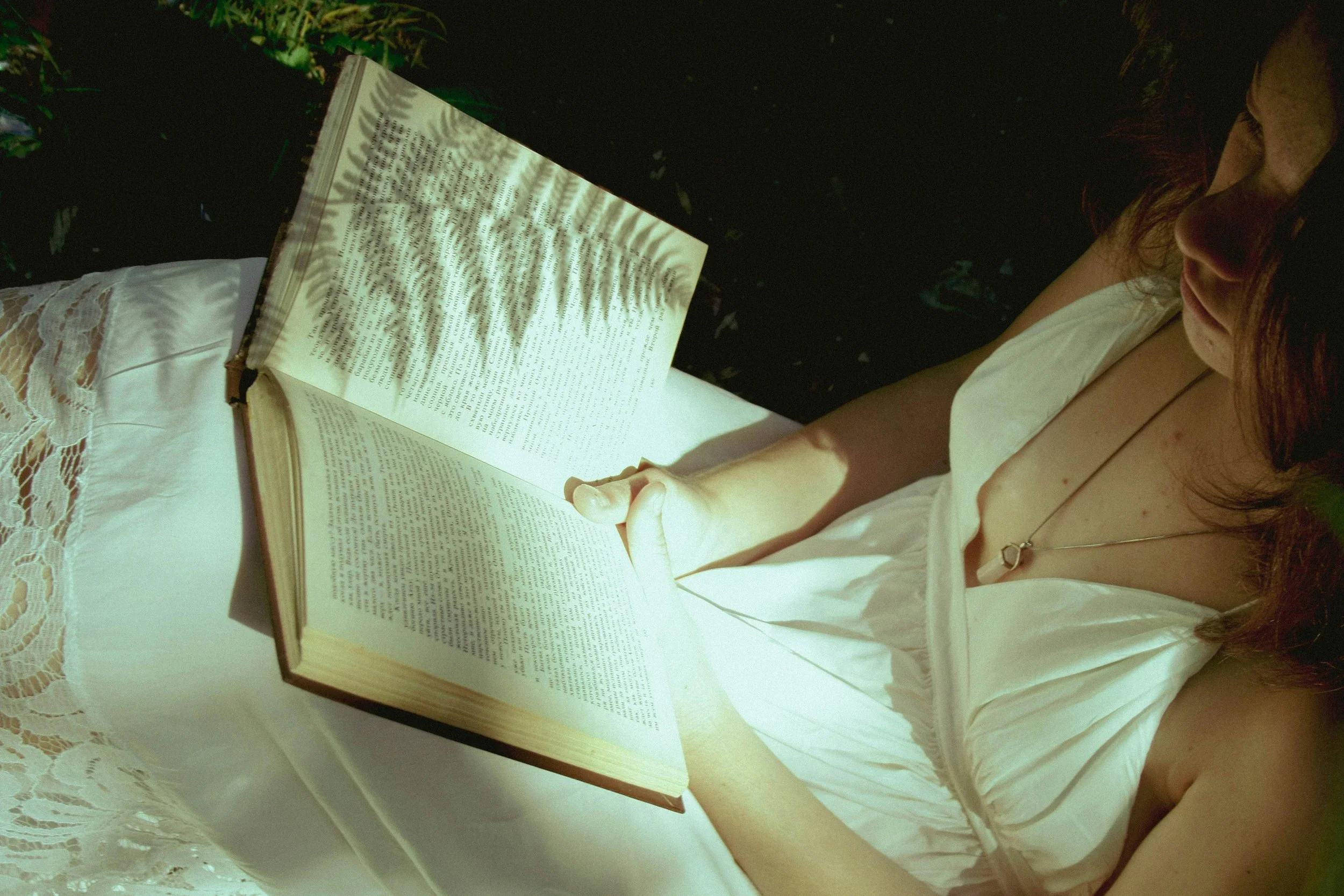
ANHELINA OSAULENKO via UnsplashBefore Women’s History Month, there was only a Women’s History Week. This week was officially recognized in 1978 and lined up with International Women’s Day on March 8th. Two years later, Women’s History Month was made official, but we are still a long way from equal rights, even after 50 years. Women are still paid less than men, are more susceptible to mental health issues, are more likely to be harmed, and are more likely to experience discrimination or harassment in the workplace.
One way to combat these inequalities is to understand the histories and experiences of being a woman by reading women’s literature and learning how their works have impacted the literary world we know today. These books give us insight into what hardships and injustices women of the past and present go through every day. The first step to equality is to understand how far women have come and how far we have to go.
Charlotte Temple by Susanna Rowson (1794): Originally published in London in 1791 and later in the United States in 1794, Charlotte Temple follows the tale of a young girl navigating her duty as a daughter and her own personal desires. This novel is considered one of the first best-sellers in the United States. In the late 18th century, men’s education was prioritized over women’s, making this an impressive feat. Reading this novel can help us learn about the foundations of women’s literature and how they got their start in the literary world.
Pride and Prejudice by Jane Austen (1813): Following the relationship between Elizabeth Bennet and Mr. Darcy, Pride and Prejudice has had a huge influence on the romance genre we know today. When the book was first published, Austen hid her works and published her novels anonymously, as writing for women was considered shameful. Now, over 200 years later, her works are immensely popular, with over 20 million copies being sold worldwide. Starting with her most popular novel can be a great place to begin in understanding how women writers shaped the romance genre.
Frankenstein by Mary Shelley (1818): A Gothic novel about the creation of a monster may not seem like an important women’s novel, but Frankenstein has made a huge impact on modern ideas of what a monster is. Frankenstein looks like a monster, but he is created as a creature with human emotions. Frankenstein does not start out as a monster, society is what makes him act like one. Some also consider this as one of the first ideas of a science fiction novel. Mary Shelley was only 18 years old when she wrote and published this influential novel. Over 200 years later, as of 2026, there are over 460 film adaptations, with the first created in 1910. Frankenstein is still inspiring films to this day, with the most recent being released in 2025 on Netflix. Reading this helps us understand how women have helped shape the horror and Gothic genres.
Jane Eyre by Charlotte Brontë (1847): In Jane Eyre, we follow a young orphaned girl and her journey of learning to become an adult and gaining independence. This novel is considered a ‘Bildungsroman,’ which translates from German to mean “novel of education.” It is also a fancy way of saying it is a coming-of-age novel. Charlotte Brontë’s novel has themes of protofeminism, which was feminism in the 19th century before it became an official term. Jane’s fierce independence contradicts the societal norms forced onto women in the 19th century, serving as an early example of women fighting for their independence. Reading Jane Eyre can help us understand the foundations of feminism and how women of the past fought for their independence.
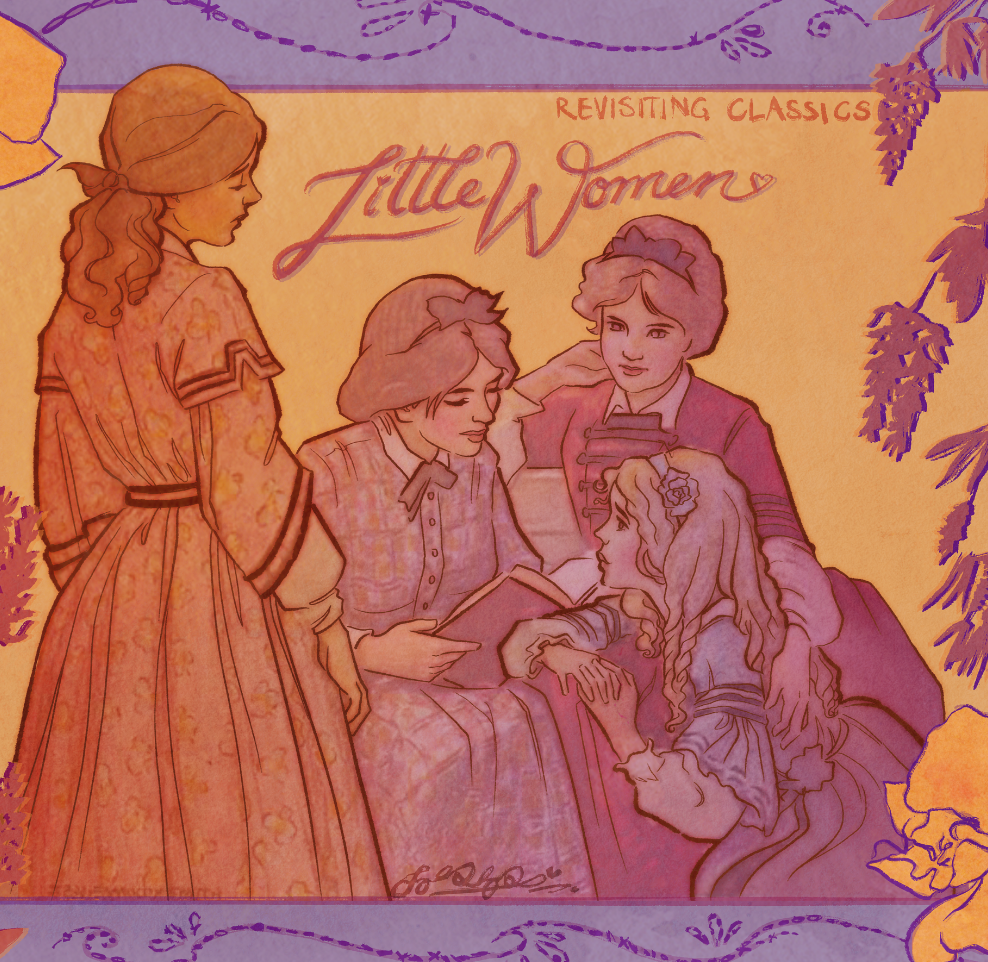
Little Women by Louisa May Alcott (1868): This is a classic coming-of-age novel that follows the four March sisters as they transition from children to women. One of the sisters, Jo March, challenges the societal norms of the time by embracing her tomboy self and working to become a writer. Little Women showed young female readers of the 19th century that it is okay to embrace their personal desires rather than only aspire to become a housewife. Louisa May Alcott was active in the women’s suffrage movement in Europe, and publications after Little Women frequently contributed to women’s rights. This novel is a great choice if you are looking to understand how women were expected to act in the 19th century and how they fought back against these societal norms.
Middlemarch by George Eliot (1872): Set in a fictional English town called Middlemarch, this novel follows four people, each of a different class within this town. When writing her novels, Mary Ann Evans chose to publish under the male pseudonym George Eliot to conceal her gender and have her works taken seriously. Women writers had to actively fight to have their works properly recognized. Even though we now know Mary Ann Evans was the one to write this novel, her works are still mostly known under her pseudonym. This book may seem intimidating with over 800 pages, depending on the edition, but her novel has greatly impacted Victorian literature and is considered a literary masterpiece. Reading this helps us understand how gender and class organized Victorian society and how women were expected to live and act in this type of structure.
The Yellow Wallpaper by Charlotte Perkins Gilman (1892): In this novel, we follow a mother struggling with postpartum depression, where her physician husband prescribes her “rest cure” as treatment. Women who are prescribed this treatment are placed on total bed rest and are forced to isolate themselves. During the 19th century, women’s health was severely misunderstood, and there were no real treatments or even understanding of what postpartum depression was. Most women were wrongly diagnosed with hysteria, including the narrator of this short story. It was believed that the womb would wander around a woman’s body, causing whatever negative symptoms presented. Because of the misdiagnosis and lack of real treatment, the narrator descends into madness and never recovers. While women may not be diagnosed with hysteria today, this lack of historical study and generational biases still poorly affects women’s health today. The Yellow Wallpaper explores what it was like to be a mother going through postpartum depression in a time when women could not receive a real diagnosis or treatment.
While this list only covers a small portion of formative women’s literature, these books are a great place to start learning more about women’s history and how important they have been to our modern world. After reading these foundational novels, reading works that won the Women’s Prize can be a great place to look for a more modern understanding of modern women’s literature.
Written by: Nicole Snook
About the author description: Nicole Snook is an editorial intern and a student working towards her English degree with a minor in professional writing. She enjoys reading, horse back riding, and gaming.
Women’s Rights, Classic Literature, Educational Reading
Check out our social media for more resources:
Additional Reading


Leave a comment