
The Strait of Hormuz: What is it and How Does it Affect Us?

Written By: Madeline Hussey
Date: July 15th, 2026
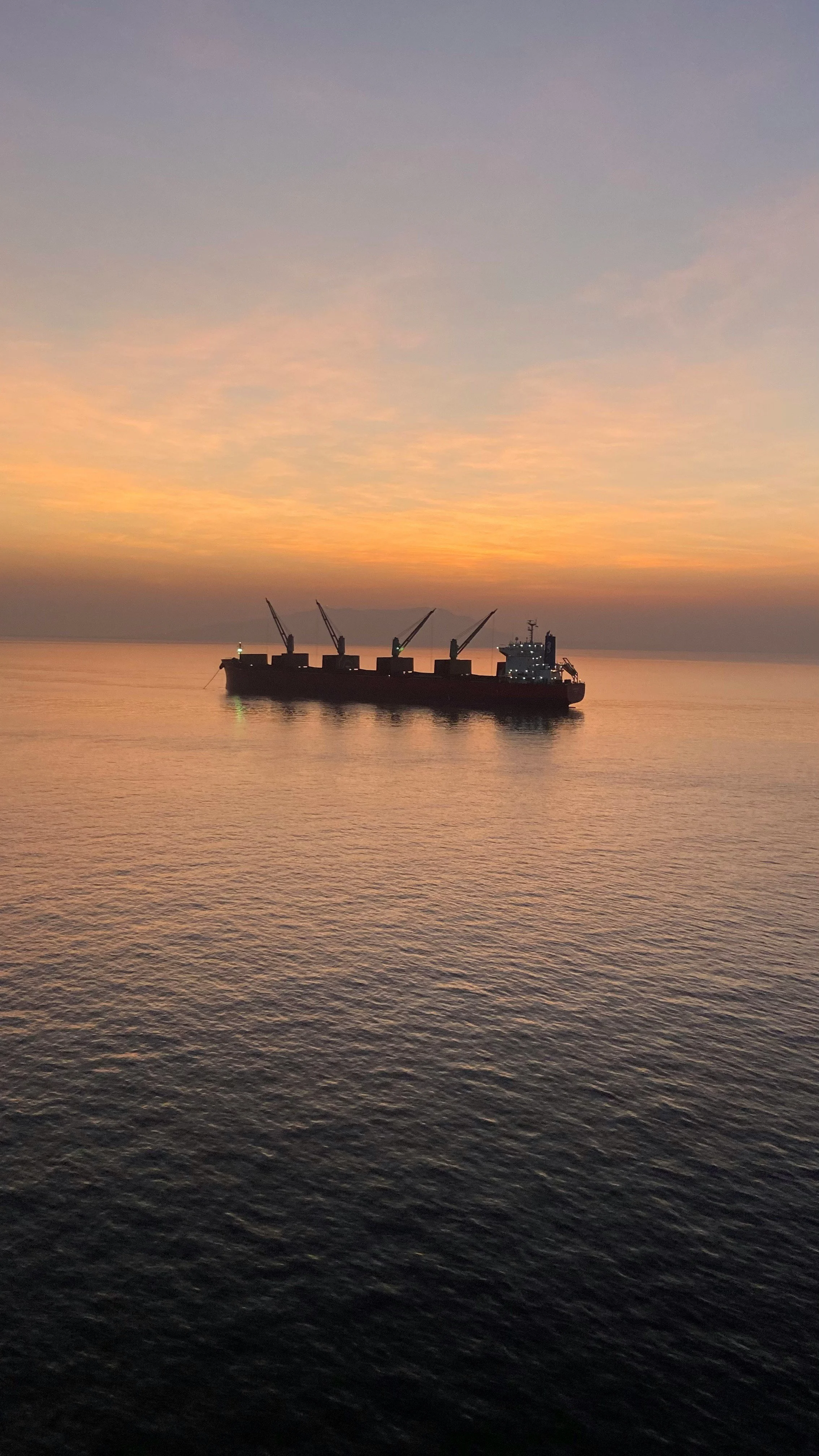
Photo by Harsh Panchal on UnsplashOn February 28th, 2026, the United States of America and its longtime military ally, Israel, launched a preemptive strike on multiple sites in the Islamic Republic of Iran. This preemptive strike has since escalated into a full-out conflict that has encompassed the region.
Recently, the Strait of Hormuz has been a buzzword in the media. It has been discussed on both TikTok and traditional news channels alike. But what does it mean? Why is everyone up in arms about this little waterway on the other side of the world? The answer is oil.
Where is it located?
The Strait of Hormuz is located on the far side of the Arabian Peninsula in the Persian Gulf. This strait connects the Persian Gulf to the Arabian Sea and further out, the Indian Ocean. Three countries border the strait: Iran, the United Arab Emirates (UAE), and Oman.
Beyond its geographical location, the strait plays an important role in the global economy, too. The Gulf countries in the Middle East are some of the world’s biggest oil producers. Much of the oil produced in Saudi Arabia, the UAE, and Iran is shipped through the Strait of Hormuz and into the Arabian Sea as it begins its journey to the rest of the world.
Oil is not the only economic good that is shipped through here, though. Agriculture and other imports also cross through the strait, too.
How does it play into the global political landscape?
Since beginning its outright conflict with the United States and Israel, Iran has sought to protect its oil production from bombardment or siege. Oil is one of Iran’s biggest economic outputs, and its global power and influence lie in maintaining this asset.
The vast majority of Iran’s oil is stored and processed on a tiny island called Kharg Island off the coast of Iran in the northern part of the Persian Gulf, close to where the Tigris and Euphrates Rivers empty.
Having its oil reserves tucked away in the Persian Gulf has both its pros and its cons. A pro is that it is protected from other states – any state that wants access to Kharg Island has no easy route to get there. A con, however, is that having only one access point via water makes it hard to transport goods and get in or out.
This is something that Iran is well aware of and is using to its advantage in its conflict with the United States and Israel.
Iran has effectively “closed” the Strait of Hormuz to all ships coming in and out. At its narrowest point, the strait is just over twenty miles wide, so there is not too much area that Iran is forced to cover. Closing the strait has prevented American and Israeli ships from reaching Kharg Island via waterways. It also means that none of the Iranian oil is making it off the island or out of the strait, either. The same is true for other oil-producing countries, like the UAE, that need to pass through the strait in order to ship their oil.
How does it affect me?
Due to Iran blocking the strait, some of the biggest oil producers cannot get their product out. This creates a squeeze on the existing oil market, as the contents in oil barrels across the world are being stretched thin to make up for the loss. This has caused oil prices to skyrocket globally. You may have noticed this when stopping to fill up your car with gas – prices are suddenly a lot higher than they were a few months ago. This can create unnecessary stress on your mental health or wallet. It has a trickle-down effect in other areas of the economy, too. Since this oil is used to fuel jet and truck engines, many products that require shipping are more expensive. This can include many grocery items that need to be shipped from farms or factories to your local store. So, if you thought your weekly grocery bill was getting more expensive, you were right.
Iran’s ironclad actions in the Strait of Hormuz are affecting the globe, as oil shipments from the Middle East have all but ceased. Iran is not likely to reopen the strait to commercial traffic until a ceasefire with the United States and Israel is reached.
What can I do to help?
Continue speaking out about the war in Iran and how it is affecting your everyday life. If politicians in Washington D.C. feel pressured by their constituents to get the strait open, they are more likely to be willing to collaborate on a ceasefire. As a society, we are still reliant on oil to fuel our daily lives, which is why leaving the strait closed is not a viable long-term solution. Speaking up on social media and petitioning your federal politicians are among the best ways to ensure your voice and opinion on the war are heard and considered.
Written by: Madeline Hussey
Madeline is a fourth-year student at the University of Iowa. When not focused on classwork, she can be found catching up on her TV shows and enjoying a mug of coffee. Madeline loves hanging out with her friends, reading anything fantasy-related, and is inspired by TikTok edits and cheesy Pinterest posts.
Strait of Hormuz, Iran War, Oil
Check out our social media for more resources:
Additional Reading

Leave a comment