
How Feminist is the Horror Genre?
Written By: Isabella Broome
Date: August 26th, 2026
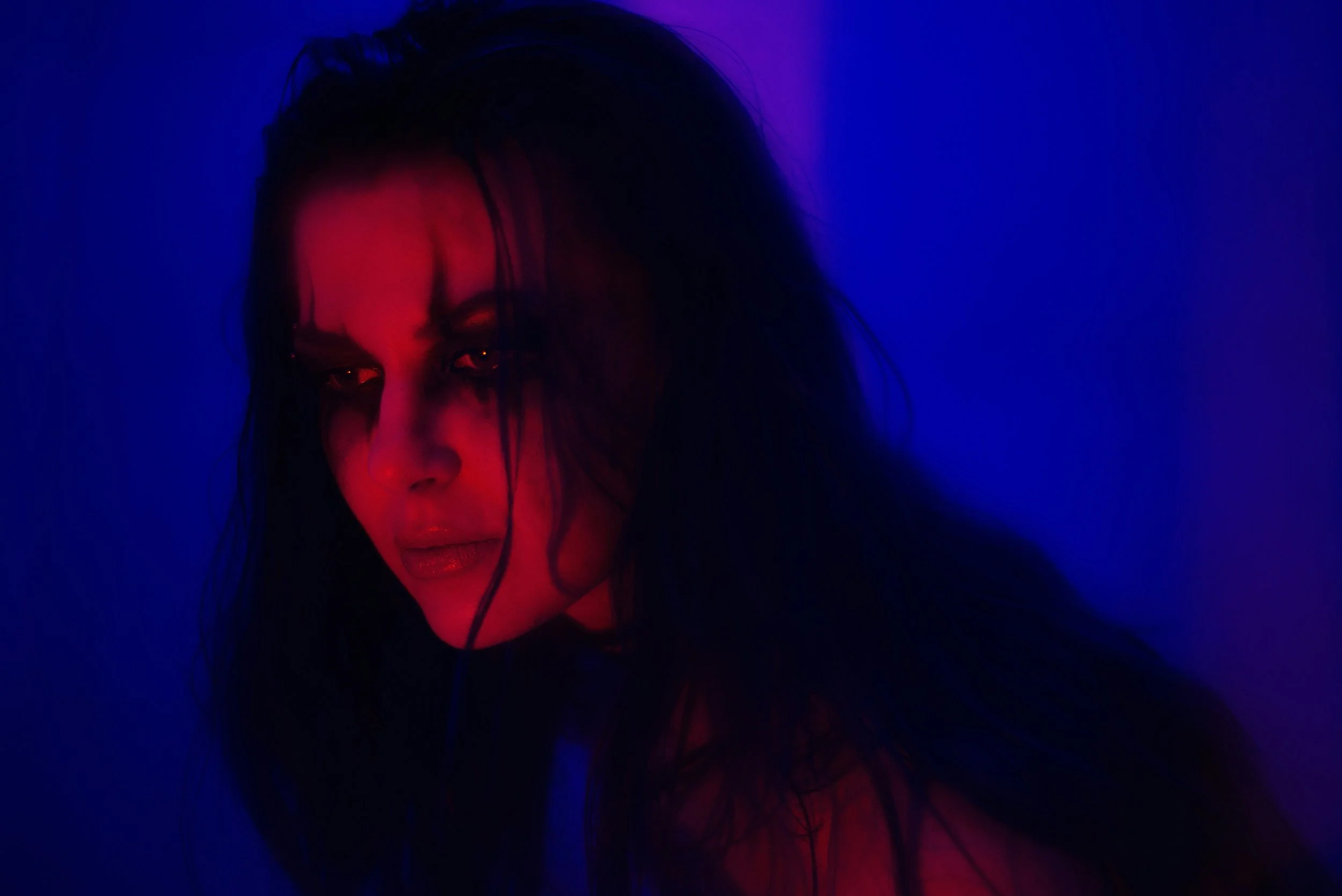
Photo by Vitaliy Shevchenko on Unsplash
Horror, as a movie genre, has long been neglected when it comes to receiving recognition. Not only have a sole eight horror films ever been nominated for best picture—with The Silence of the Lambs (1991) being the only winner—the genre doesn’t even have its own category for the Academy Awards. It’s only been in recent years that horror movies are finally getting the recognition they deserve. Between The Substance (2024) and Sinners (2025) receiving the nomination for their respective years, the general public is finally waking up to the powerful messages this genre alone can deliver.
Someone recently told me that they’ve seen more and more people claim that the horror genre is overall feminist. It makes sense. The movie at the top of everyone’s minds right now is Obsession (2026), which sends a clear message about the dangers of male obsession and desire to control women. Nikki’s full loss of autonomy is the most frightening part of the movie, and director Curry Barker does an excellent job of utilizing the horror of the One Wish Willow to send this message. The moments where Nikki snaps back to herself, begging to be killed and hurting herself, demonstrate the trauma she’s enduring over losing her autonomy and being assaulted by Bear.
Is it true, though, that horror is overall a feminist-leaning genre?
Huge horror fanatics are very familiar with this term: the Final Girl trope. Named by Carol J. Clover, the “Final Girl” is the surviving female character at the end of a slasher movie, like Sienna Shaw from Terrifier (2016) and Sidney Prescott from Scream (1996). The Final Girl always defeats the killer in a final, brutal fight after watching her friends and family be killed throughout the movie. The Final Girl survives for three main reasons: she’s chaste, she doesn’t drink and she’s masculinized in some way.
Take Halloween (1978) for example. The movie opens with killer Michael Myers killing his sister, Judith Myers, right after she has sex with her boyfriend. Friends of the film’s Final Girl Laurie Strode, Annie Brackett and Lynda Van der Klok are similarly punished. Annie is slashed in the throat after shirking off babysitting duties to hang out with her boyfriend, and Lynda is strangled after drinking and having sex with her boyfriend. Laurie, on the other hand, gets teased for the way she “scares away” boys. She’s introverted, kind-hearted, and smart, which is what saves her in the end. The film doesn’t even end with Laurie defeating Michael. She puts up a good fight, but what scares Michael off (until the next movie) is Doctor Loomis shooting him.
Of course, this is the nature of slasher films. The killer “dies” in the end, but never fully, because slashers are inherently series that follow the same killer and same Final Girl through each movie. They’re meant to be overly gory, sometimes to a comedic effect, and everyone is meant to die. It may seem feminist that the victor is always a woman, but to what extent? Women are punished for being “promiscuous” or “ditzy,” and only the women who are aggressive and analytical survive. It’s not a very progressive take to punish women’s sexuality.
Other horror movies can be very wishy-washy in their feminism. The message of Jennifer’s Body (2009) is more “girlboss” than actually empowering. While, yes, Jennifer does eat boys, she has to exploit her sexuality first to get to them. Her “powers” were also only given to her after a group of men targeted her and tried to sacrifice her over the belief she was a virgin. The protagonist, Needy, isn’t a fan of her “destroy boys” agenda either, so while the audience may be rooting for Jennifer in a faux feminist manner, it’s questionable what message the makers of the film want their audience to walk away with.
The Substance (2024) is a phenomenal film deserving of all its Academy nominations, but is it truly the “feminist body horror” film that Coralie Fargeat set out to make? On the surface, there’s the blatant message about how women are expected to be thin, smooth, firm, and youthful in order to be presentable. It’s the pressure of “lookism,” and the film does an amazing job getting people to talk about the beauty ideal. Does the film do a good job at dismantling these pressures, however? Sure, Sue is punished in the end for trying to abuse “the substance,” resulting in the gross mutilation of her figure and a denouncement of attempting to remain young. But with Sparkle—the main character—simply disappearing, the ending does little to refute the beauty ideal. It’s shown that wanting to maintain the beauty myth is bad, but it doesn’t show that defying it is good either. It portrays youth as something you hold onto until it fades, that the outside does matter, and becoming old and fading into oblivion is fate. It misses the mark on properly taking down patriarchal ideals of beauty, regardless of the incredible performances by Demi Moore and Margaret Qualley.
That being said, other films do an amazing job at utilizing the horror genre to uplift women. A Girl Walks Home Alone at Night (2014) is a stellar example of the Femme Fatale, and Titane (2021) masterfully uses body horror to depict pregnancy and female sexuality. Because there are so many aspects of the horror genre that are incredible tools for complex storytelling, the ones that positively create feminist work will always stand out.
It’s hard to say if the horror genre overall focuses on empowering women. However, if we make sure to give all our support to the films that build women up, rather than the ones that tear women down, hopefully we will see more and more horror movies that take on feminist topics and execute the themes well.
Written by: Isabella Broome
About the author description: Isabella (she/they) is an editorial staff member at NB
Tags: Horror, Feminism, Feminist Media
Check out our social media for more resources:
Additional Reading
Sources:
https://www.usatoday.com/picture-gallery/entertainment/movies/2026/03/14/horror-movies-nominated-oscar-best-picture/89054953007/
https://www.psychologytoday.com/us/blog/perfect-me/202502/is-the-substance-really-a-feminist-film
https://en.wikipedia.org/wiki/Lookism
https://en.wikipedia.org/wiki/The_Beauty_Myth
https://www.britannica.com/topic/femme-fatale
Leave a comment