
Parents: How to Prevent Your Child from Lifelong Picky Eating?
Written By: Qinghe Wang
Date: July 10th, 2026
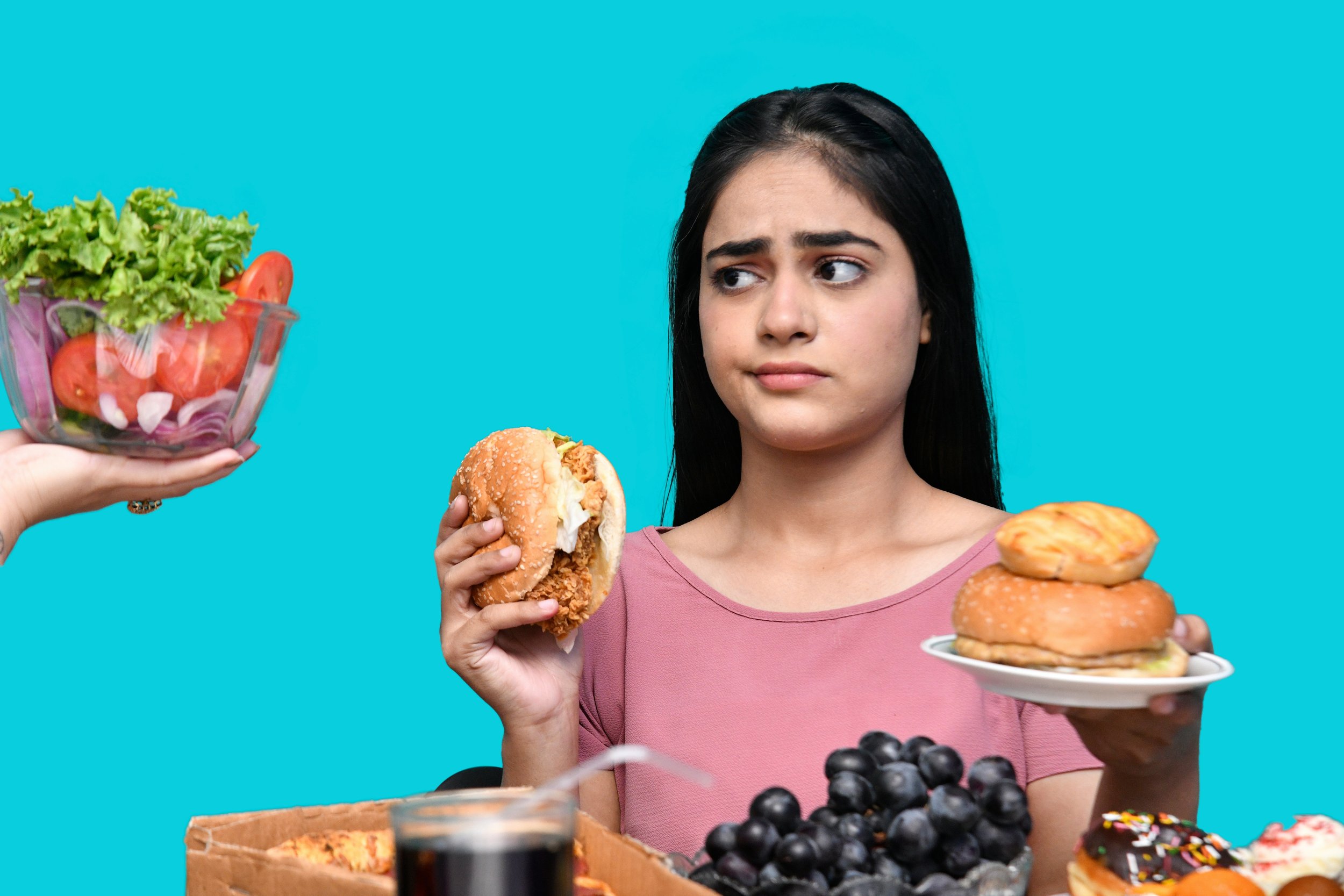
Photo by Fotos on UnsplashWhy Children Become Picky Eaters
Children becoming picky eaters is very common, and it usually isn’t just about them being stubborn. There are several reasons behind it, and these reasons are either biological, psychological, or environmental.
Children are biologically made to be cautious about unfamiliar foods. Bitter tastes, like those found in vegetables, can signal poison in nature. The survival mechanism makes kids prefer sweet or salty foods.
Children also have more sensitive taste buds than adults, and that’s why vegetables may taste extra bitter to children, and spices or unfamiliar flavors can feel overwhelming.
Some children are also very sensitive to how food feels in their mouths, and mushy or slimy foods can be uncomfortable.
Kids might also refuse food in the desire for asserting independence. Since they don’t have much control in life, it’s one of the places where they can say “no.” That’s one of the main reasons why pressure from parents can make picky eating behaviors worse.
How strongly a person (especially a child) fears or avoids new food, measured by the levels of food neophobia, is usually at the highest when a person is 2-6 years old. Many kids outgrow this temporary developmental phase with time. The problem becomes concerning when it becomes long-term, or if a child refuses to eat more than 10-15 foods total, or when it starts causing growth or health issues.
Why People Reject Certain Foods
There are4 main reasons that people reject common food items, for adults as well as children: distaste, danger, disgust, and inappropriateness.
Distaste refers to unpleasant sensory experiences, like when a child refuses to eat broccoli because it tastes bitter.
Danger refers to the fear of negative outcomes, even if the food is actually safe. Like thinking that a food is spoiled or undercooked. This is more about protection and caution, not taste. This is okay, unless it relates to anxiety or stress around eating and blocks safe, normal eating.
Disgust is based on the idea of what people think the food is, not just how it tastes. For example, people might feel disgust thinking about the origin of the food, like insects and certain animal parts, or they might associate the food with something dirty, like plants that grow out of animal waste. Even if the food tastes fine, the idea alone can make people reject it.
inappropriateness is about social or cultural rules. For example, people might feel uncomfortable eating steak for breakfast, because they don’t think it is the right time for it. People might also reject food due to religious or ethical reasons, and that could also go in this category.
How to Prevent Picky Eating from Becoming a Habit
There are a few ways to help prevent picky eating from turning their preferences into a long-term habit.
Start by keeping mealtimes calm and low-pressure. Children are more willing to try foods when they don’t feel forced.
Offer new foods in small portions; a tiny bite feels safer than a full serving. And make new foods feel less risky by pairing them with familiar favorites.
Let children explore food with their senses. Touching, smelling, and looking are important steps before tasting. Expose the child to the food repeatedly. Children often need to see and try a food many times before accepting it.
Be a role model during meals. When children see others enjoying a food, they are more likely to try it. Studies show that when parents don’t eat a certain type of food, children will also do the same; this pattern is even more obvious among siblings, or other same-aged peers.
If a child that doesn’t eat a certain type of food eats often with other children who enjoy that particular food, they have a higher possibility of accepting it. Similarly, if they see other peers avoiding that food, they might do the same thing.
It would also be helpful to tell interesting short stories to children relating to certain foods. Bad associations or ideas about some foods might prevent people from eating them, but similarly, good associations and ideas would encourage people to consume certain foods.
Try to keep children from smelling or seeing certain food in an extremely spoiled or disgusting manner. For example, the smell of dead fish that has been dead for a long time might cause the child to feel disgust when eating fish.
Parents should also avoid labeling a child as “picky.” Labels can reinforce the behavior over time.
Conclusion
Overall, picky eating is often a normal part of childhood development, but the way it is handled can shape long-term habits. By understanding the reasons behind food refusal and responding with patience and consistency, parents can help children grow into adults who are open to a wide variety of foods.
Written by: Qinghe Wang
About the author description: Qinghe Wang is an editorial intern and a recent graduate of the University of California, Davis, where she earned a bachelor’s degree in Philosophy, with a minor in Writing.
Picky Eating, Child Nutrition, Parenting Tips
Check out our social media for more resources:
Additional Reading


Leave a comment